
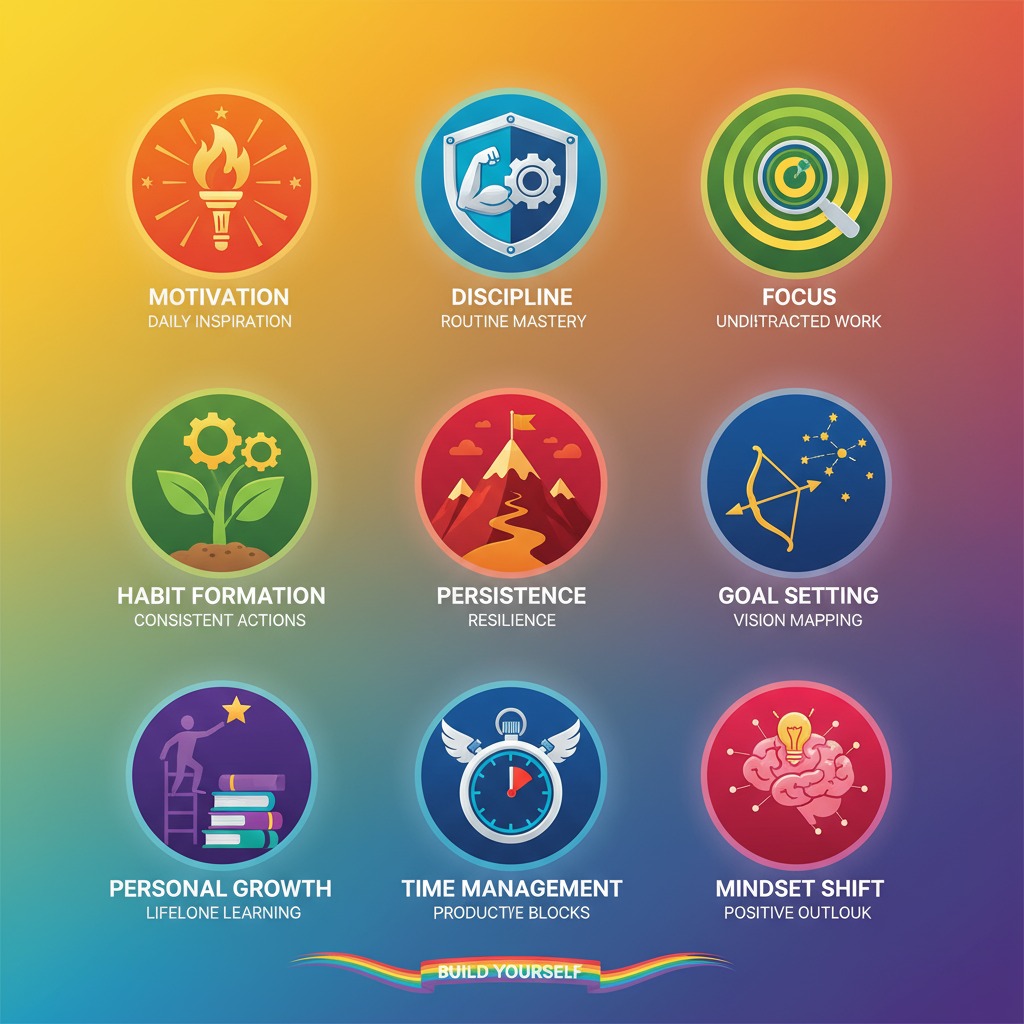
1. Introduction – The Power of Self-Discipline
Self-discipline training is one of the most powerful foundations of personal success, focus, and growth. It is not just about controlling impulses or forcing productivity—it’s about aligning your actions with your long-term purpose. While motivation gives you the initial burst of enthusiasm to start something new, self-discipline ensures you keep going even when that motivation fades. It’s the quiet force that transforms goals into reality by helping you stay consistent, focused, and resilient, regardless of circumstances.
In essence, self-discipline is the art of mastering yourself. It empowers you to resist distractions, overcome procrastination, and build habits that lead to progress. For example, someone who commits to a morning workout or daily study schedule may not always feel motivated to follow through, but with self-discipline training, they show up anyway. Over time, these small acts of commitment compound into remarkable transformation — proving that success is rarely about big leaps but rather the steady steps taken each day.
Unlike willpower, which depends on short bursts of energy or emotion, self-discipline training builds a lasting internal structure of control and accountability. Willpower may help you avoid temptation once, but discipline rewires your mindset so that healthy choices become second nature. It’s a muscle that strengthens with practice, helping you manage your time efficiently, stick to your priorities, and maintain focus amidst distractions.
In today’s digital age, distractions are everywhere—social media notifications, constant messages, endless entertainment—all competing for our attention. Without self-discipline, it’s easy to lose hours scrolling, delaying, or second-guessing our actions. But with structured self-discipline training, you take control back from these distractions. You learn to direct your focus where it matters most, conserve your mental energy, and create balance between ambition and rest.
Most importantly, discipline fosters emotional and mental stability. It teaches patience, responsibility, and delayed gratification—qualities essential for sustainable personal growth. Through consistent practice, self-discipline becomes more than just a skill; it becomes a lifestyle, shaping not only what you achieve but also who you become in the process.
2. Understanding the Psychology Behind Self-Discipline Training
Self-discipline training is deeply connected to the psychology of self-regulation, habit formation, and long-term motivation. It’s not about forcing yourself to work harder, but about training your mind to choose what’s best for you—consistently. Psychology reveals that humans naturally seek pleasure and avoid discomfort, which often leads to procrastination or impulsive decisions. Self-discipline helps counter this by reprogramming the brain to value delayed gratification over immediate satisfaction.
A key psychological principle behind discipline is the concept of delayed gratification, famously studied in the Stanford Marshmallow Experiment. In this study, children who resisted the temptation of eating one marshmallow immediately in exchange for two later were found, years later, to perform better academically, manage stress more effectively, and achieve higher life satisfaction. This experiment highlights that self-discipline is not about denial—it’s about self-control and foresight. The same principle applies to adults: the more you train yourself to wait for meaningful rewards, the stronger your decision-making and perseverance become.
Another major factor in self-discipline training is understanding the role of intrinsic motivation. People who find internal meaning in what they do—such as learning for self-improvement or exercising for well-being—are more likely to stay consistent. Extrinsic motivators like praise, rewards, or recognition can ignite action but rarely sustain it over time. True discipline grows when actions align with deeply held values, allowing intrinsic motivation to drive consistency long after external rewards fade.
Neuroscientifically, self-discipline strengthens the prefrontal cortex, the part of the brain responsible for focus, planning, and impulse control. Every time you choose discipline over distraction, you’re literally rewiring your brain’s pathways, making self-control easier the next time. This means that through repeated disciplined actions—like setting goals, managing emotions, and reflecting on progress—you physically shape your brain for resilience and emotional intelligence.
Furthermore, the psychology behind self-discipline training emphasizes self-awareness. When you understand what triggers your distractions, emotional dips, or procrastination, you gain the power to change them. Techniques like mindfulness, journaling, and visualization help bring these patterns to light. With awareness comes control—and with control comes growth.
In short, the science of self-discipline isn’t about perfection—it’s about progress. It’s the mental shift from asking “How can I feel like doing this?” to “How can I do this even when I don’t feel like it?” This mindset lies at the heart of every successful person and serves as the foundation for building lasting personal growth.
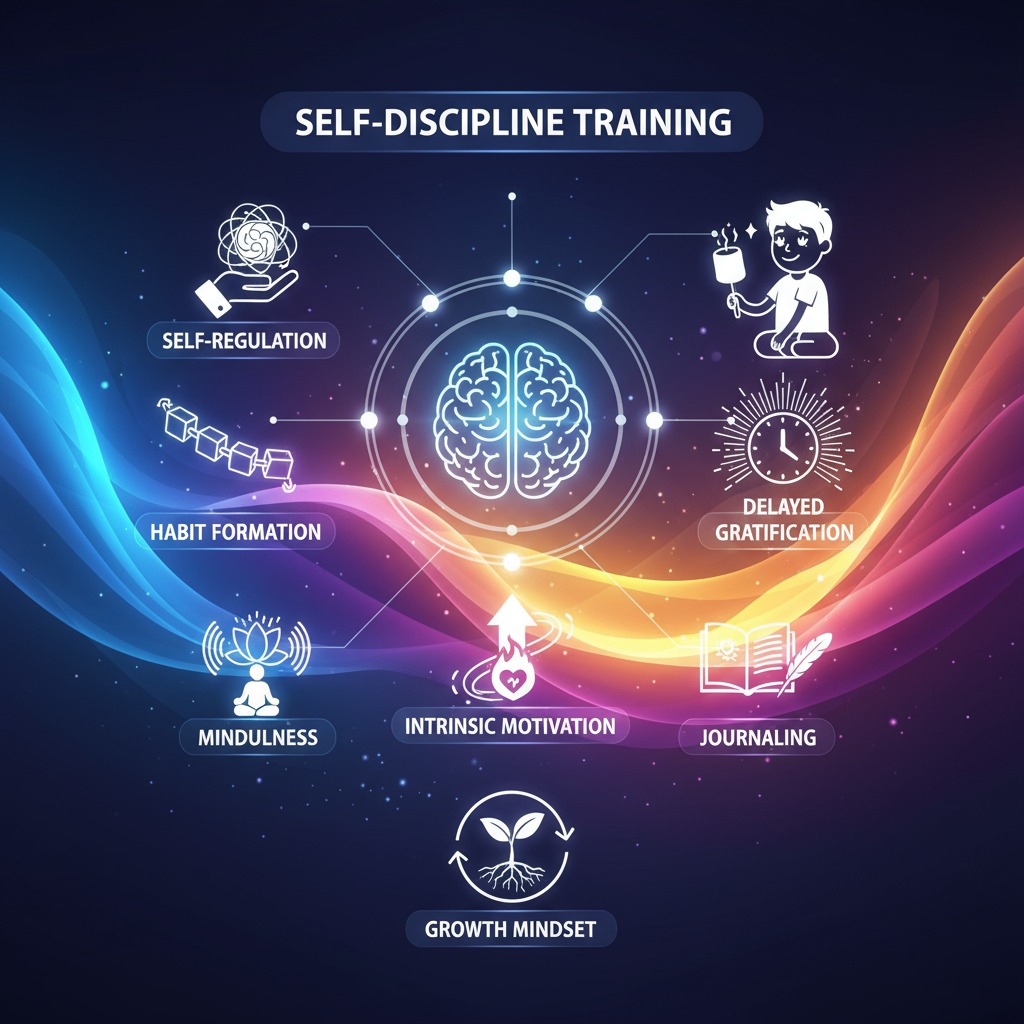
3. The Link Between Motivation Habits and Personal Growth
Self-discipline training and motivation habits work together like two sides of the same coin—each reinforcing and strengthening the other. Motivation habits create the drive to begin, while discipline ensures you follow through. Without motivation, you may not start; without discipline, you may never finish. The harmony between the two is what fuels continuous personal growth.
Motivation habits are the small daily practices that keep you aligned with your purpose. This could include morning affirmations, goal visualization, journaling, or setting daily priorities. Over time, these routines strengthen your internal motivation and make disciplined action easier. For example, starting your day with a written to-do list or positive affirmation primes your mind to stay focused. When combined with consistent discipline, such habits turn ambition into structured, measurable progress.
Personal growth, in this context, is the natural outcome of disciplined living. It’s not just about external success—it’s about internal evolution. When you consistently apply self-discipline to your goals, you build mental endurance, emotional regulation, and confidence. You stop relying on fleeting motivation and instead operate from a place of clarity and purpose. This transformation doesn’t happen overnight; it’s cultivated through the repetition of positive behaviors, even when it’s inconvenient or uncomfortable.
Self-discipline training also strengthens resilience—the ability to keep going when things get hard. Life is unpredictable, and challenges are inevitable, but disciplined individuals adapt instead of giving up. They understand that setbacks are part of the growth process, not a signal to quit. Each time they push through resistance, they build stronger habits and deepen their emotional intelligence.
Furthermore, the connection between motivation habits and personal growth lies in self-trust. Every time you keep a promise to yourself—whether it’s sticking to your workout, finishing your task, or managing your emotions—you build confidence in your own reliability. This trust fuels further motivation, creating a powerful feedback loop where discipline strengthens motivation and motivation strengthens discipline.
In essence, self-discipline training is the invisible architecture of success. It turns goals into structured action plans and dreams into achievable milestones. Motivation gets you started, but discipline keeps you growing—and it’s through that steady growth that true personal transformation unfolds.
4. 9 Essential Motivation Habits for Effective Self-Discipline Training
Building self-discipline training requires actionable strategies that strengthen focus, consistency, and motivation. While discipline is a mindset, it grows stronger through daily habits that condition the brain to stay productive, resilient, and purpose-driven. The following nine motivation habits form the foundation for effective self-discipline training and lasting personal growth.
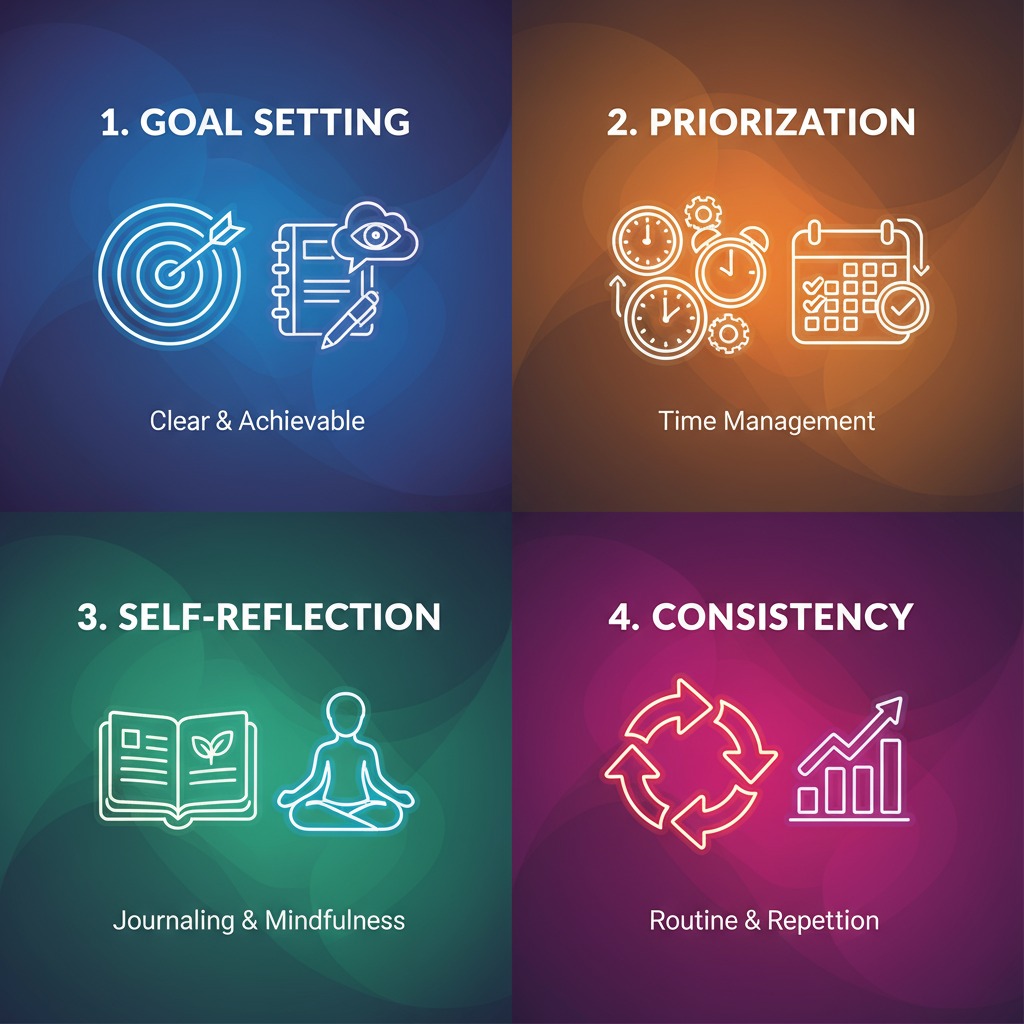
Habit 1: Setting Clear and Achievable Goals
Clear, specific goals provide direction and give purpose to your efforts. Without a defined goal, energy is scattered, leading to procrastination and frustration. Self-discipline training begins with clarity—knowing exactly what you want to achieve and why it matters.
Instead of vague goals like “I want to do better,” focus on measurable targets such as “I will study one hour daily for a month” or “I will save ₹5,000 by the end of this quarter.” Breaking down big ambitions into smaller milestones not only keeps motivation alive but also provides a sense of accomplishment with each step forward.
Writing goals down, visualizing them regularly, and reviewing progress creates accountability and mental focus. When your goals are meaningful and structured, your actions become intentional—transforming self-discipline into a natural daily behavior rather than a forced effort.
Habit 2: Prioritizing Tasks Using Time Management
One of the cornerstones of self-discipline training is learning to prioritize. Time is limited, and not every task contributes equally to your goals. By mastering time management, you align your daily actions with what truly matters.
Tools like the Eisenhower Matrix help separate urgent tasks from important ones, ensuring that energy is spent on high-value activities. Similarly, time-blocking techniques—where you dedicate specific hours for focused work—can dramatically increase productivity and minimize procrastination.
When you manage your time effectively, you reduce decision fatigue and free mental space for creativity and problem-solving. Over time, structured scheduling becomes second nature, helping you build consistency, which is at the heart of successful self-discipline training.
Habit 3: Practicing Daily Self-Reflection
Self-reflection is a key ingredient in personal mastery. It allows you to assess what’s working, what needs improvement, and how to adjust your approach. Through reflection, you become more aware of your emotional triggers, mental patterns, and energy cycles.
In self-discipline training, reflection helps you identify the times or conditions where you lose focus and make necessary corrections. Simple practices like journaling, evening reviews, or mindful meditation allow you to observe your progress objectively.
Regular reflection also builds emotional intelligence by teaching you to respond thoughtfully instead of reacting impulsively. This habit turns every day into an opportunity for growth, ensuring that discipline becomes a mindful process of learning and evolution rather than rigid control.
Habit 4: Maintaining Consistency Through Routine
Consistency is the backbone of self-discipline training. Routines remove uncertainty and replace it with stability and predictability. When you create a structured daily routine—whether it involves morning exercise, focused study hours, or evening reflection—it reduces your reliance on willpower.
Every time you repeat a positive behavior, your brain strengthens the neural pathways associated with it. Over time, these repeated actions become automatic, meaning discipline no longer feels forced—it becomes part of who you are.
Start by creating simple, realistic routines. For instance, waking up at the same time daily, dedicating 30 minutes to skill development, or practicing gratitude at night. Consistency in small actions compounds into remarkable results, proving that self-discipline training is built not in intensity, but in repetition.
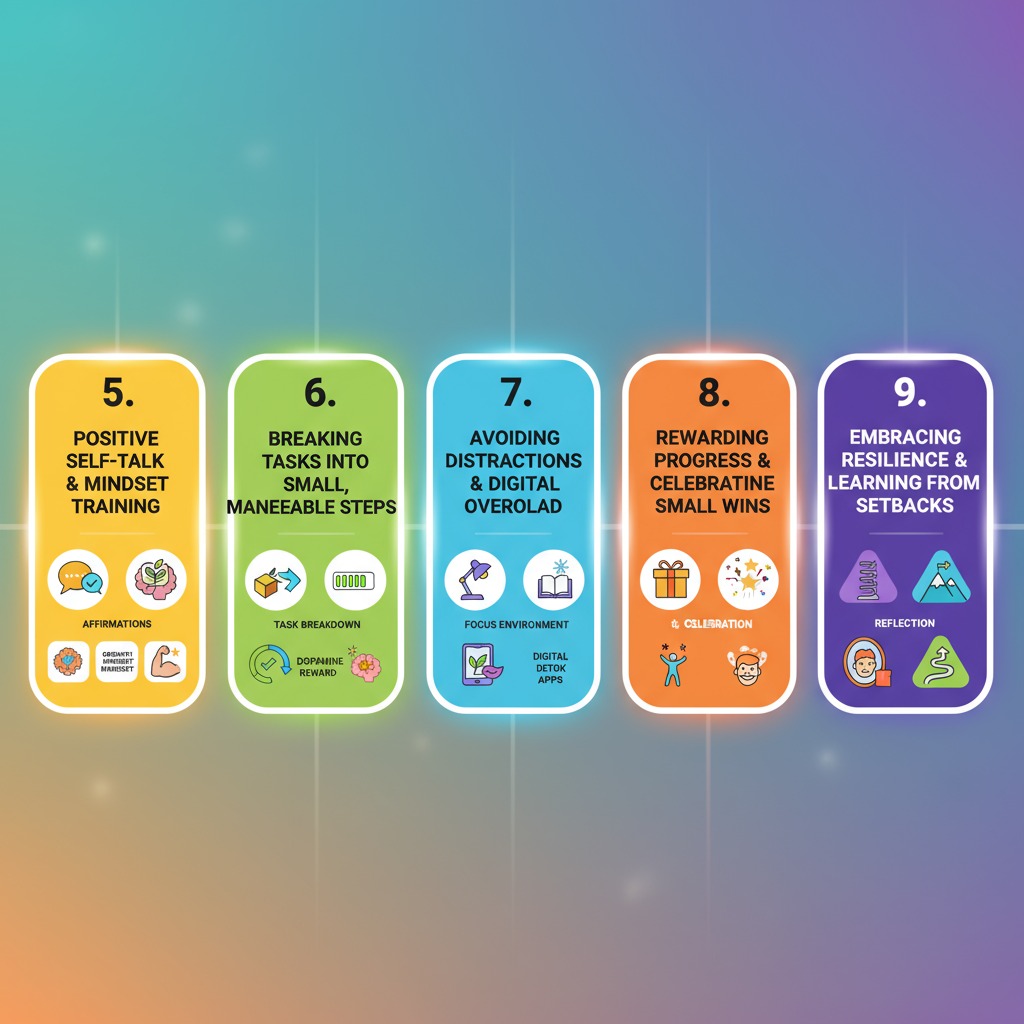
Habit 5: Positive Self-Talk and Mindset Training
The way you speak to yourself directly affects how you perform. Negative self-talk—like “I can’t do this” or “I always fail”—weakens focus and breeds procrastination. In contrast, positive self-talk strengthens belief and fuels persistence, which are essential for self-discipline training.
Mindset training involves replacing limiting beliefs with empowering affirmations. Phrases such as “I am capable,” “I stay consistent,” and “I am improving every day” help reinforce a disciplined mindset. This psychological shift rewires your thought patterns, transforming hesitation into confidence.
Additionally, adopting a growth mindset—the belief that abilities can be developed through effort—makes challenges feel like opportunities rather than obstacles. When your mind believes in growth, your discipline thrives naturally, even during difficult times.
Habit 6: Breaking Tasks into Small, Manageable Steps
Big goals often feel intimidating, which leads to avoidance and procrastination. The secret to overcoming this is breaking tasks into smaller, manageable steps. This approach makes even the most complex projects feel achievable and keeps your momentum alive.
For instance, instead of saying “I’ll write an entire report today,” start with “I’ll complete the introduction in the next 30 minutes.” Completing small sections gives you quick wins, which release dopamine—a motivation chemical in the brain—reinforcing your desire to continue.
This step-by-step process is central to self-discipline training because it transforms overwhelming tasks into practical, consistent progress. Every small victory builds confidence and strengthens your internal motivation to keep pushing forward.
Habit 7: Avoiding Distractions and Digital Overload
In the digital age, distractions are the biggest enemy of self-discipline training. Constant notifications, social media scrolling, and digital multitasking drain focus and create mental fatigue. To maintain productivity, it’s essential to build a distraction-free environment.
You can start by designating “focus hours,” where you silence notifications and keep your phone away. Apps like Forest or Freedom help you block digital distractions, while minimalist workspaces reduce mental clutter.
Additionally, developing awareness around your digital habits—such as tracking screen time—can reveal where your focus leaks. Replacing digital noise with mindful activities like reading, journaling, or deep work sessions strengthens concentration and boosts discipline. The more you control your environment, the easier it becomes to master self-discipline training.
Habit 8: Rewarding Progress and Celebrating Small Wins
Acknowledging progress is crucial for maintaining long-term motivation. Without recognition, discipline can feel monotonous or exhausting. Rewarding yourself for milestones—no matter how small—creates a powerful psychological loop that reinforces positive behavior.
In self-discipline training, rewards don’t have to be extravagant. Simple pleasures like enjoying your favorite snack after a productive session, taking a nature walk, or watching a movie guilt-free can reignite enthusiasm. Celebrating small wins keeps morale high and prevents burnout.
This habit taps into the brain’s reward system, encouraging you to stay consistent. Over time, your mind begins to associate discipline with satisfaction and accomplishment, turning perseverance into joy rather than effort.
Habit 9: Embracing Resilience and Learning from Setbacks
No journey of growth is free from obstacles. Failures, distractions, and temporary losses are natural parts of the process. The key to success lies not in avoiding challenges, but in learning from them. Self-discipline training strengthens your ability to bounce back with greater clarity and confidence.
Resilience is built when you view setbacks as lessons, not defeats. Instead of giving up after a failure, analyze what went wrong, adjust your approach, and keep moving forward. Every challenge overcome adds another layer to your mental toughness.
By combining patience, reflection, and adaptability, resilience becomes your shield against discouragement. The most disciplined individuals are not those who never fail—but those who never stop trying. Through self-discipline training, setbacks transform from roadblocks into stepping stones toward personal growth.
5. Overcoming Challenges in Self-Discipline Training
Self-discipline training is one of the most transformative yet demanding journeys of personal development. While it promises growth, success, and emotional stability, it also tests a person’s patience, focus, and willpower. Many people begin with strong intentions but soon encounter barriers like procrastination, lack of motivation, stress, or inconsistency. Understanding and addressing these challenges is crucial to mastering discipline.
Procrastination is among the most common obstacles in self-discipline training. It often stems from perfectionism, fear of failure, or mental resistance toward discomfort. When faced with daunting tasks, the mind tends to seek instant gratification by avoiding effort. The key to overcoming this lies in breaking large goals into smaller, actionable tasks. Setting clear deadlines, using task timers, and rewarding small progress can gradually retrain the brain to prefer productivity over delay.
Mental fatigue and burnout are other hurdles that can weaken discipline. Continuous work without proper rest leads to cognitive exhaustion, reducing motivation and focus. Incorporating short breaks, meditation sessions, or power naps into your daily schedule helps recharge mental energy. Moreover, ensuring a balanced lifestyle with proper nutrition, sleep, and exercise enhances physical stamina—essential for long-term discipline.
External distractions also pose serious challenges. In the digital age, social media notifications, constant messages, and online entertainment can easily disrupt focus. Self-discipline training emphasizes creating boundaries—designing distraction-free environments, scheduling “focus hours,” and using apps to block digital interruptions.
Another major challenge is emotional inconsistency. Motivation naturally fluctuates due to stress, mood changes, or setbacks. To overcome this, discipline must evolve into a routine that functions independently of emotions. Relying on structured habits, accountability systems, and consistent reflection builds internal stability. Self-discipline training isn’t about eliminating challenges—it’s about strengthening the mindset to overcome them repeatedly. Every obstacle you face and conquer becomes a stepping stone toward long-lasting personal growth.
6. Tools and Techniques to Enhance Self-Discipline
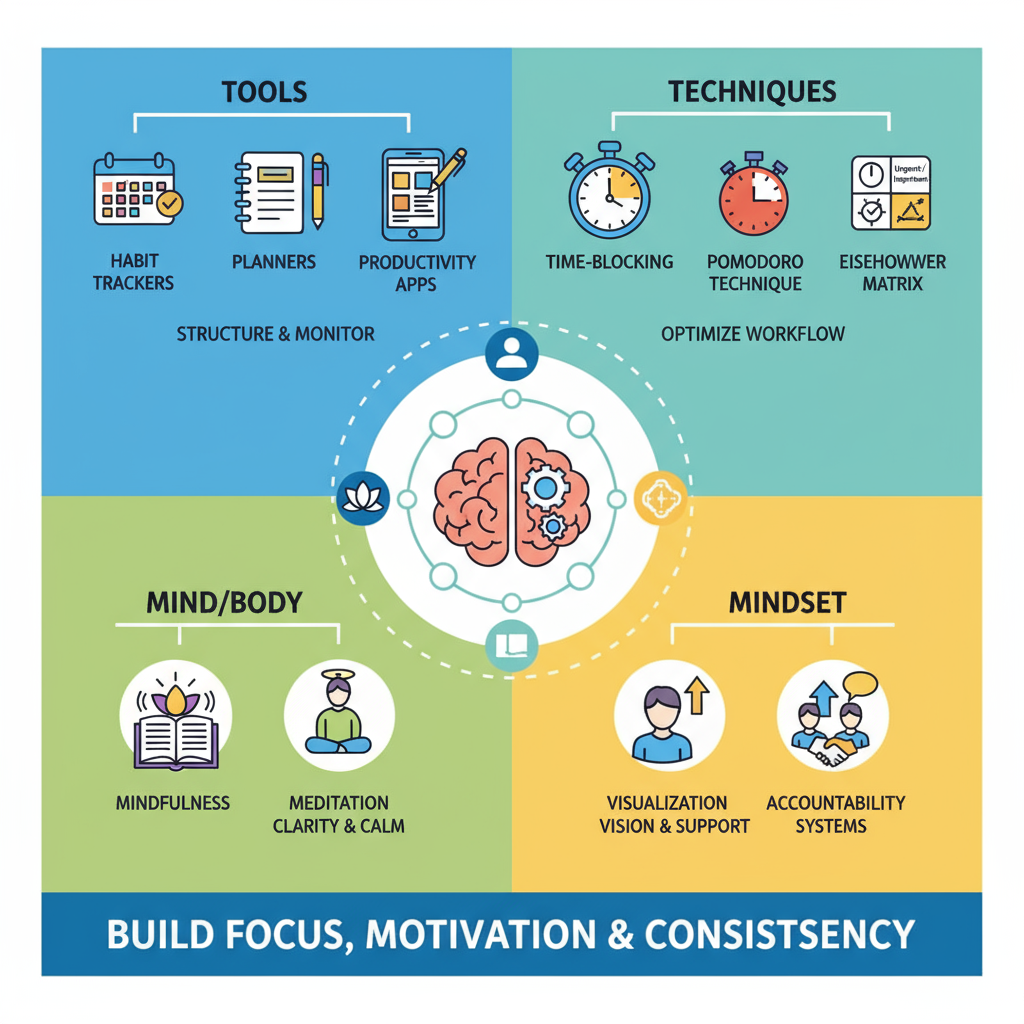
Self-discipline training becomes more effective when supported by practical tools and psychological techniques. In today’s fast-paced world, relying solely on willpower isn’t enough; structure, systems, and self-awareness must work together to sustain progress. Tools like habit trackers, planners, and productivity apps can help individuals visualize their consistency and stay accountable.
Habit-tracking applications allow users to record daily routines and monitor their streaks, offering visual motivation for consistency. Time management systems such as time-blocking or the Pomodoro Technique divide work into focused intervals followed by short breaks, improving concentration and reducing fatigue. The Eisenhower Matrix, which categorizes tasks by urgency and importance, helps prioritize work efficiently.
Mindfulness and meditation are equally valuable tools for enhancing self-discipline training. These practices increase awareness, emotional regulation, and patience—qualities vital for focus and long-term effort. Similarly, journaling encourages self-reflection, allowing individuals to identify distractions, analyze progress, and realign with their goals.
Visualization is another powerful psychological technique. Imagining yourself successfully completing a task or achieving a goal activates the same neural pathways as actual performance, strengthening determination and confidence. Accountability systems also play a major role—sharing progress with a mentor, peer, or community adds social motivation and keeps you responsible.
By integrating these tools and techniques consistently, you create an ecosystem that nurtures discipline. It’s not about perfection but progress—each small improvement builds momentum toward mastery. Self-discipline training thrives when you combine practical systems with mindful awareness, ensuring that focus, motivation, and consistency become second nature.
7. The Role of Self-Discipline in Long-Term Personal Growth
Self-discipline training is the foundation upon which true personal growth is built. While motivation may initiate change, discipline sustains it. It is the invisible force that shapes habits, strengthens character, and aligns daily actions with long-term aspirations. Individuals who cultivate discipline develop the resilience to persevere through obstacles, the clarity to make intentional decisions, and the emotional balance to stay grounded during challenges.
In the journey of self-improvement, self-discipline acts as a bridge between intention and achievement. For example, a student who studies consistently achieves deeper understanding than one who relies on last-minute effort. Similarly, an entrepreneur who follows structured routines and reflective practices is better equipped to handle uncertainty. Over time, disciplined behavior compounds—transforming small, consistent actions into remarkable accomplishments.
Beyond career success, self-discipline training enriches emotional and relational well-being. It nurtures patience, empathy, and self-control—qualities that enhance communication and relationships. People who practice discipline are often more reliable, emotionally stable, and goal-oriented, creating an environment of trust and respect.
Personal growth also requires balance. Self-discipline teaches moderation—knowing when to act and when to rest. It encourages individuals to live intentionally rather than reactively, fostering purpose and contentment. When practiced consistently, discipline evolves from effort into a lifestyle, empowering individuals to live with direction, stability, and fulfillment.
8. Inspiring Real-Life Examples of Self-Discipline
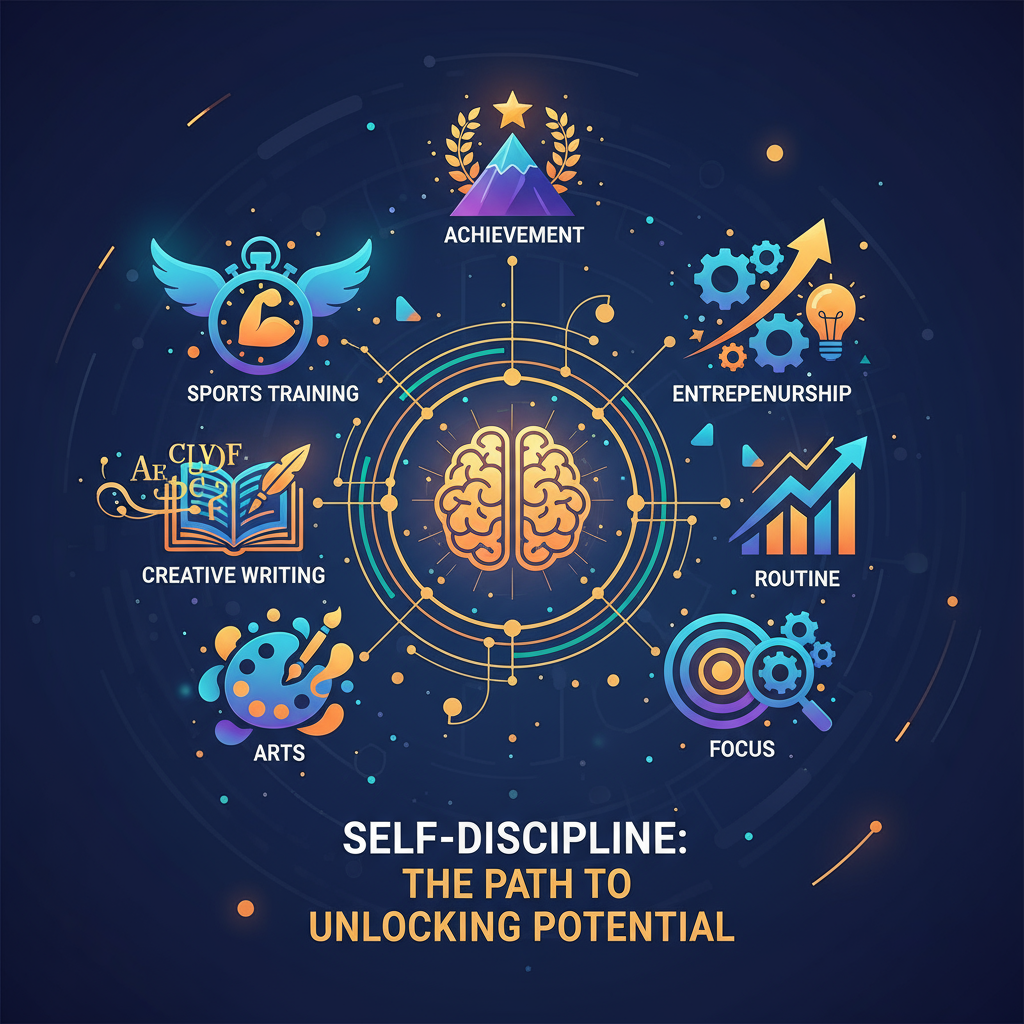
Self-discipline training has been the secret behind countless stories of success and transformation. History and modern life are filled with individuals who have reached extraordinary heights through consistent effort, mental strength, and structured routines. Their journeys demonstrate that discipline often matters more than raw talent or luck.
Consider world-class athletes like Serena Williams or Cristiano Ronaldo. Their achievements stem not just from natural ability but from relentless dedication—training daily, following strict diets, and pushing through fatigue and setbacks. Their routines are examples of self-discipline training in its purest form, where commitment overrides comfort.
Writers and artists also exemplify discipline in their creative pursuits. Authors like Stephen King write thousands of words daily, treating creativity as a responsibility rather than inspiration-dependent work. Musicians and dancers rehearse tirelessly to perfect their craft, embodying the principle that consistent practice leads to mastery.
In the corporate world, entrepreneurs such as Elon Musk and Indra Nooyi rely on structured routines, time discipline, and clear focus to manage multiple responsibilities. Their success underscores that discipline transforms vision into execution.
These real-life examples remind us that self-discipline training is not limited to a specific field—it’s a universal skill that empowers anyone to achieve excellence. Observing these role models helps individuals internalize that discipline is not punishment but freedom—the ability to direct one’s energy toward meaningful goals.
9. Conclusion
Self-discipline training is more than a practice; it is a lifelong commitment to personal mastery and self-improvement. It is the process of turning effort into habit, intention into action, and dreams into reality. Through consistent practice, individuals gain control over their impulses, focus their energy, and shape their lives with purpose.
The essence of self-discipline lies in persistence. Success is rarely achieved overnight—it is the result of steady, repeated effort. By developing motivation habits, managing distractions, and maintaining focus, individuals create a solid framework for growth. When combined with emotional intelligence and resilience, self-discipline becomes the driving force behind lasting fulfillment.
Self-discipline training teaches you to take charge of your time, emotions, and decisions. It empowers you to resist instant gratification and prioritize long-term success. The journey may be challenging, but every small victory builds confidence and momentum. Over time, the consistent practice of discipline transforms your identity—you no longer just try to be disciplined; you become it.
Ultimately, the reward of self-discipline training is freedom—the freedom to live intentionally, to act with clarity, and to achieve goals that align with your deepest values. When you choose discipline, you choose growth, stability, and purpose. The path may demand patience and effort, but the destination is empowerment and lasting success.