

Table of Contents
1. Introduction – The Power of a Winning Mindset
Winning mindset is the foundation of both personal and professional achievement. It is not simply about being positive—it is about cultivating a mental framework that combines discipline, resilience, and adaptability. Individuals who develop a winning mindset understand that success is rarely about luck or raw talent alone; it is about consistent effort, emotional control, and strategic growth. This mindset creates the inner stability required to stay composed during uncertainty and to push forward even when motivation wanes.
A winning mindset influences how people think, feel, and act in the face of adversity. It transforms problems into possibilities and obstacles into stepping stones. Those who embody it maintain an internal dialogue rooted in progress rather than perfection. For example, when facing professional criticism, an individual with a winning mindset interprets feedback as constructive input for improvement instead of a personal attack. This capacity to reinterpret experiences with optimism and logic is what fuels sustained success.
In today’s fast-paced world—filled with competition, distractions, and constant change—a winning mindset becomes a non-negotiable trait for success. By integrating growth mindset principles and performance psychology strategies, individuals can learn to manage pressure effectively, make rational decisions, and stay focused on long-term goals. These techniques include structured goal-setting, visualization, self-reflection, and mindfulness—all designed to enhance performance and mental stability.
For instance, athletes who achieve peak performance often attribute their success to their mental training as much as their physical practice. They learn to control emotions, visualize success, and maintain consistency despite external challenges. Similarly, professionals who approach their careers with a winning mindset remain composed during high-stress projects, ensuring clarity and creativity when it matters most.
Ultimately, incorporating a winning mindset into daily life transforms potential into achievement. It encourages personal growth, fosters resilience, and builds emotional intelligence—the essential foundation of long-term success. With a structured and conscious approach, individuals can move beyond reactive living and begin shaping their destiny with clarity, purpose, and persistence.
2. Understanding the Psychology Behind a Winning Mindset
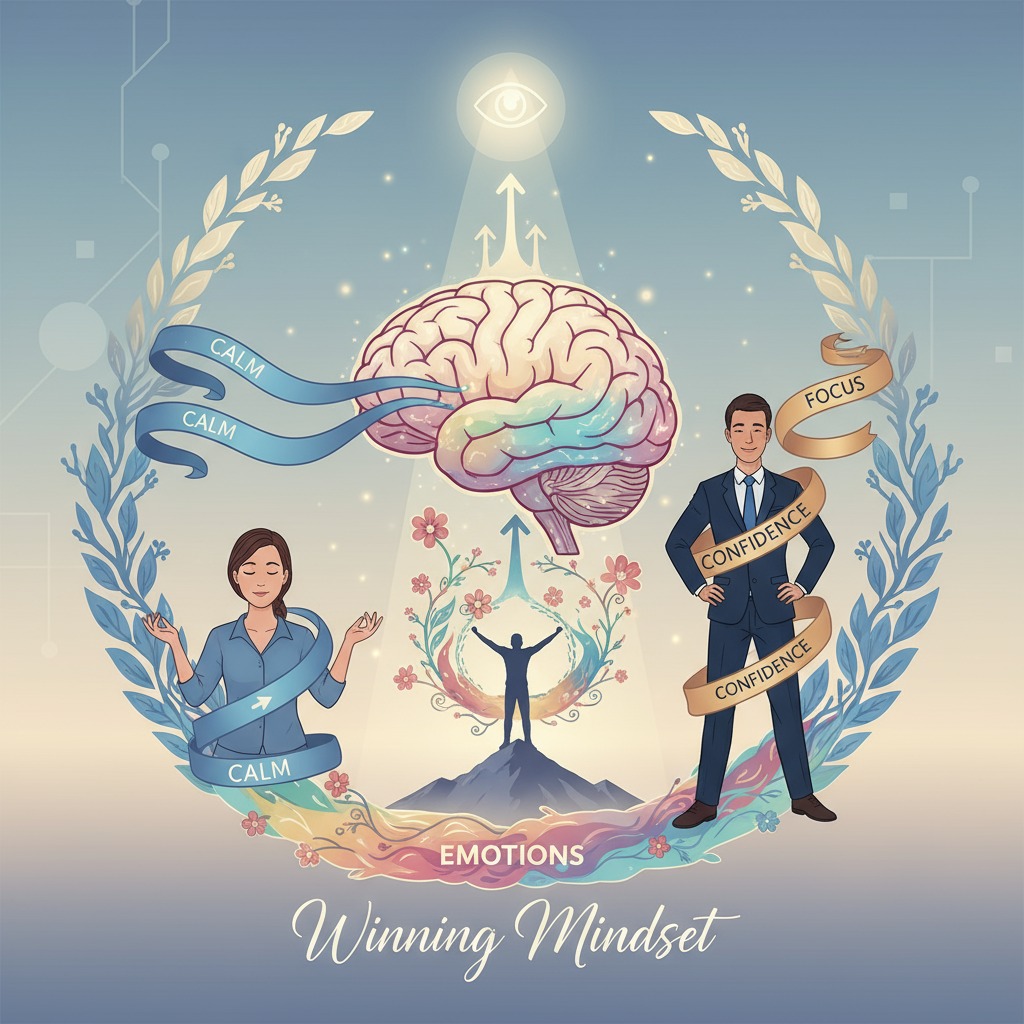
Winning mindset is deeply connected to how the brain and emotions function together to shape behavior. It is not a trait people are born with—it is a learned psychological process that strengthens through repetition, reflection, and intentional effort. Understanding the psychology behind a winning mindset helps individuals reprogram their thinking patterns and develop emotional intelligence that enhances performance under pressure.
From a neurological perspective, the human brain is highly adaptable due to neuroplasticity, the ability to form and reorganize neural pathways in response to learning and experience. When individuals repeatedly engage in positive thinking, visualization, or goal-oriented actions, the brain creates stronger connections between focus, motivation, and achievement. This process reinforces a habit loop of success—each positive outcome fuels confidence, which in turn promotes more consistent effort.
Performance psychology offers techniques that strengthen this process. It teaches individuals how to regulate emotions, sustain focus, and improve decision-making in high-stress situations. Tools such as visualization, mindfulness, cognitive reframing, and self-talk train the mind to remain stable under uncertainty. For example, a public speaker who visualizes a calm, confident delivery before going on stage is mentally preparing the brain to replicate that state in reality.
Another vital component of a winning mindset is emotional regulation. People who achieve success consistently understand how to manage emotional highs and lows without losing balance. Rather than suppressing emotions, they observe them objectively and make rational choices. This psychological stability reduces impulsivity and enhances performance quality. For instance, an athlete missing a key shot does not spiral into frustration but uses controlled breathing and mental resets to stay in the game.
Moreover, the psychology of a winning mindset emphasizes intrinsic motivation—the internal drive to grow, learn, and improve for personal satisfaction rather than external validation. Those who rely solely on rewards or praise often struggle when recognition fades. In contrast, individuals driven by purpose and personal excellence sustain their energy and creativity regardless of external outcomes.
Psychological research consistently supports that self-belief, combined with structured effort, predicts long-term success. The winning mindset thrives on this principle—it transforms thought patterns from “I can’t” to “I can learn,” making challenges opportunities for self-development. By consciously applying psychological techniques and understanding one’s emotional triggers, individuals can train their minds to operate from strength, focus, and growth orientation in every domain of life.
3. The Difference Between Fixed and Growth Mindsets
Winning mindset is rooted in the principles of a growth mindset, which stands in stark contrast to a fixed mindset. This distinction, first introduced by psychologist Carol Dweck, reveals how one’s beliefs about intelligence, talent, and potential profoundly shape achievement. Understanding this difference is crucial for anyone seeking lasting success and self-mastery.
A fixed mindset assumes that abilities and intelligence are static traits—you either have them or you don’t. People who hold this view tend to avoid challenges, give up easily, and fear failure because it threatens their self-image. For example, a fixed-mindset student might say, “I’m just not good at math,” and avoid trying harder, believing effort won’t change the outcome. This belief system creates mental rigidity and prevents growth.
On the other hand, a growth mindset—the foundation of a winning mindset—embraces the belief that skills and intelligence can be developed through effort, learning, and persistence. Individuals with this mindset welcome challenges, persist despite obstacles, and view mistakes as valuable feedback. They understand that mastery is a process, not an instant result. A professional who struggles with a new role, for example, might approach it as a learning opportunity to gain new skills rather than a sign of inadequacy.
Winning mindset extends the growth mindset further by combining mental resilience, focus, and performance psychology. It is not only about believing in improvement but also about taking strategic actions to make it happen. This includes setting specific goals, tracking progress, and maintaining emotional control when setbacks occur. For instance, entrepreneurs who face business failures often reframe them as learning experiences, adjusting their strategies and emerging stronger.
Real-life examples vividly illustrate this principle. Legendary basketball player Michael Jordan was once cut from his high school team, yet his winning mindset drove him to train relentlessly until he became one of the greatest athletes in history. Similarly, innovators like Thomas Edison viewed each failed experiment not as defeat but as a step closer to discovery. Their stories highlight how a growth-oriented winning mindset transforms persistence into success.
The contrast between fixed and growth mindsets also explains why some individuals plateau while others continue to evolve. Those with a fixed mindset see effort as a sign of weakness, whereas those with a winning mindset see effort as an investment in their future. Over time, this attitude compounds—small daily efforts lead to exponential growth, while avoidance and complacency create stagnation.
By adopting a growth-oriented, winning mindset, individuals cultivate adaptability, open-mindedness, and continuous learning. They no longer fear uncertainty; instead, they thrive on it. This shift not only enhances performance but also fosters emotional balance, purpose, and fulfillment. A winning mindset thus becomes a way of life—an active commitment to lifelong learning and personal excellence.
4. 7 Mental Models to Develop a Winning Mindset
Winning mindset is cultivated through actionable mental models that serve as guiding principles for thought processes, decision-making, and behavior. By internalizing these models, individuals can approach challenges strategically, enhance resilience, and optimize performance. These mental models combine growth mindset principles with insights from performance psychology, providing a practical framework for continuous personal and professional development.
Model 1: Embrace Challenges as Opportunities
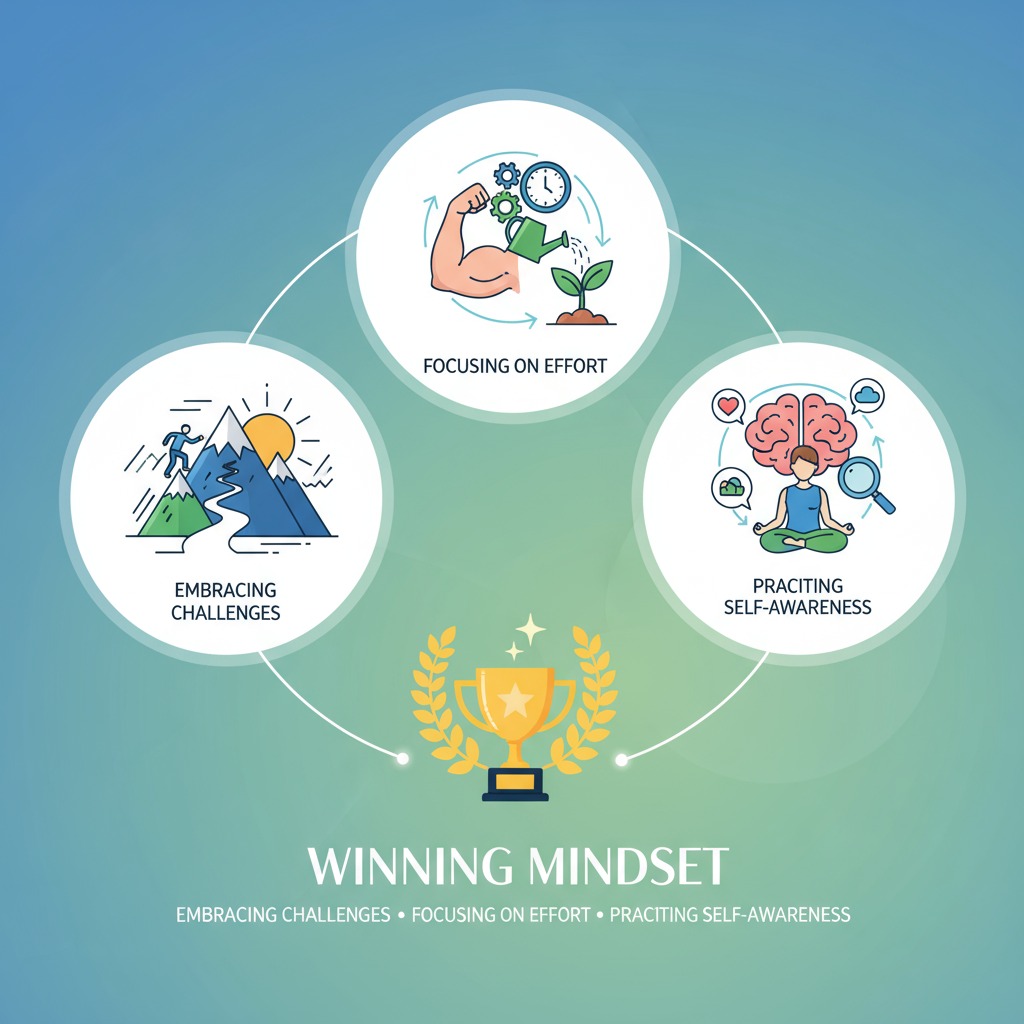
Winning mindset encourages viewing obstacles not as threats but as stepping stones toward growth. Challenges develop problem-solving skills, expand creativity, and increase mental resilience. For instance, facing a complex project at work may initially feel overwhelming, but reframing it as an opportunity to learn new skills, demonstrate leadership, and build credibility transforms stress into motivation. Similarly, students struggling with a difficult subject can adopt this mindset to approach problems methodically, seeking improvement rather than avoiding the task. Over time, consistently embracing challenges fosters adaptability, confidence, and a proactive approach to problem-solving, making setbacks feel manageable rather than intimidating.
Model 2: Focus on Effort, Not Just Outcomes
A winning mindset prioritizes consistent effort over immediate results. Success rarely occurs overnight; it is the product of sustained, deliberate practice. Consider a musician or athlete who trains daily. While immediate improvement may not always be visible, persistent effort gradually enhances skill, understanding, and mastery. Recognizing and valuing effort reduces fear of failure, encourages risk-taking, and fosters resilience. This approach also shifts focus from external validation to intrinsic growth, aligning performance with personal development rather than comparison with others.
Model 3: Practice Self-Reflection and Awareness
Winning mindset relies heavily on self-awareness. Reflecting on daily experiences, decisions, and emotional reactions allows individuals to identify patterns, strengths, and areas for improvement. Journaling, mindfulness meditation, and structured self-assessment help cultivate this awareness. For example, after completing a challenging task, reflecting on what went well and what could be improved provides actionable insights for future endeavors. Self-reflection ensures that growth is intentional, emotional regulation is strengthened, and decision-making becomes more strategic rather than reactive. Over time, this habit creates a feedback loop that continuously enhances personal and professional performance.
Model 4: Reframe Failures as Feedback
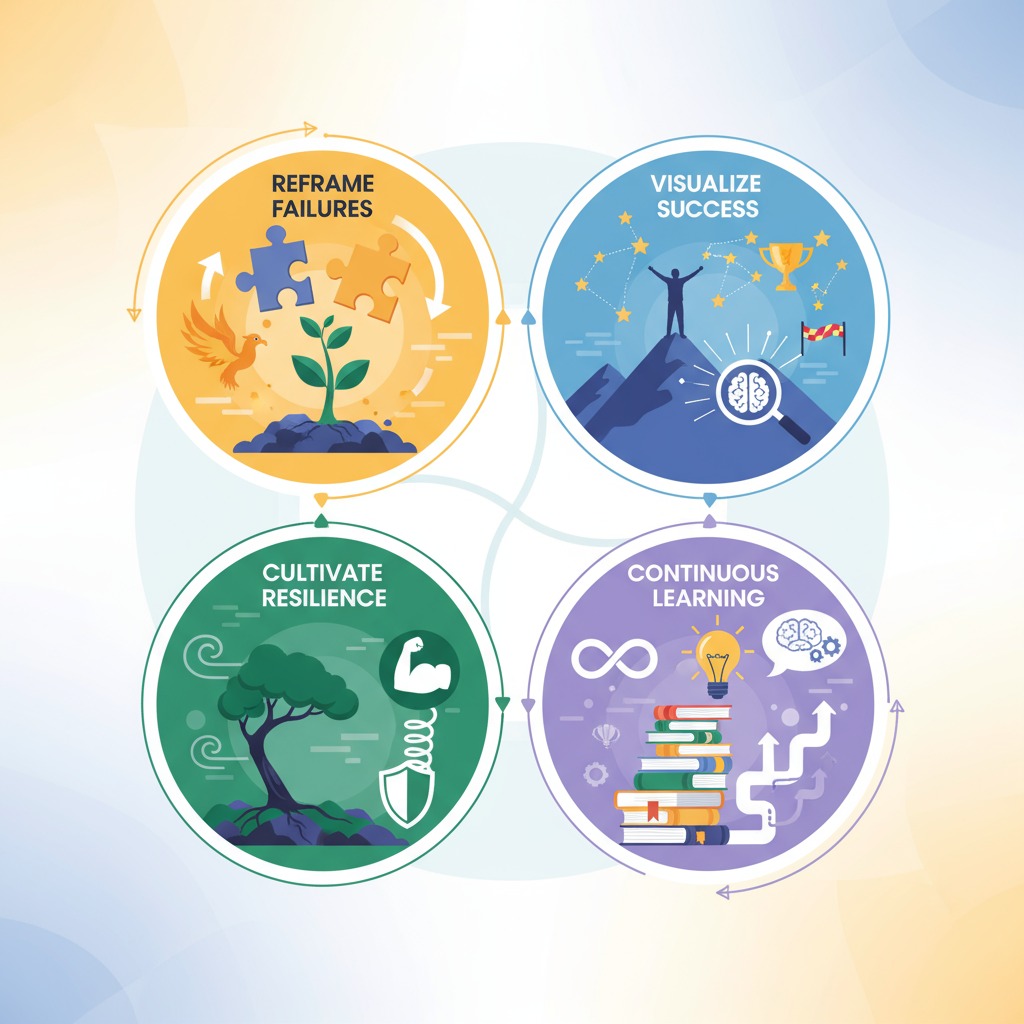
Winning mindset treats failure not as a negative endpoint but as a source of valuable feedback. Each setback contains lessons that, when analyzed, reveal insights for improvement. An entrepreneur whose product launch fails, for instance, can study customer responses, market trends, and internal processes to optimize future strategies. Viewing failure as an informative signal reduces fear, promotes experimentation, and encourages innovation. In sports, analyzing missed opportunities or errors allows athletes to refine techniques and strategies, reinforcing the principle that mistakes are stepping stones, not obstacles.
Model 5: Visualize Success and Process Goals
Winning mindset is reinforced by visualization techniques and process-oriented goal-setting. Mental rehearsal of desired outcomes prepares the brain for execution by strengthening neural pathways related to performance. For example, athletes often visualize completing complex maneuvers, while professionals rehearse presentations or negotiations. Combining visualization with process goals ensures focus on actionable steps rather than abstract results, creating a sense of control and preparedness. Visualization also enhances confidence, reduces anxiety, and primes the mind to respond effectively under pressure.
Model 6: Cultivate Resilience and Emotional Regulation
Winning mindset requires mastering emotional regulation, particularly under stress or after setbacks. Resilient individuals maintain composure, adapt strategies, and recover quickly from adversity. Techniques such as cognitive reframing, controlled exposure to stress, deep breathing, and mindfulness meditation strengthen resilience. For instance, a manager facing a sudden organizational change can use these techniques to maintain clarity and guide their team effectively. Emotional regulation ensures that decisions remain rational and focused, preventing frustration, impulsivity, or burnout from undermining performance.
Model 7: Continuous Learning and Iterative Improvement
Winning mindset commits to lifelong learning and iterative growth. Embracing curiosity, refining skills, and consistently improving strategies fosters adaptability and innovation. Individuals with this mindset seek feedback, analyze outcomes, and adjust approaches to maintain steady growth. Professionals who regularly update their skills or adopt new methods exemplify this model, ensuring their performance evolves with changing circumstances. Continuous learning also prevents stagnation, encourages creative problem-solving, and maintains high performance over time. By treating growth as a never-ending process, individuals sustain motivation and reinforce a winning mindset in every area of life.
5. Integrating Performance Psychology into Daily Life
Winning mindset becomes truly powerful when performance psychology principles are integrated into daily life. It’s not just about motivation or positive thinking—it’s about cultivating scientifically proven mental and behavioral habits that enhance focus, decision-making, and resilience. Applying these principles consistently bridges the gap between potential and actual performance, creating a structured path toward success and well-being.
A key element of integrating performance psychology is designing routines that reinforce intentionality. Techniques such as time-blocking, structured goal-setting, and deliberate rest periods allow individuals to channel energy efficiently. Professionals can begin their day with clear priorities, allocate specific time slots for focused work, and reserve moments for reflection or mental recharge. Similarly, students or athletes can incorporate dedicated practice blocks, visualization sessions, and relaxation exercises to maintain both cognitive sharpness and emotional balance.
Cognitive tools like mental rehearsal, scenario planning, and mindfulness training are central to sustaining a winning mindset. For example, an executive preparing for a major negotiation can mentally simulate potential outcomes, refining strategy and composure. Athletes, likewise, use visualization to strengthen neural pathways, increasing confidence and reducing performance anxiety. These techniques align the mind and body for optimal execution, allowing individuals to respond calmly and effectively in high-pressure situations.
Additionally, performance psychology emphasizes feedback loops and mentorship. Regular self-assessment, peer reviews, or professional coaching ensures continuous refinement of strategies. Reflecting on experiences—both successes and failures—encourages adaptability and reinforces a sense of progress. This approach prevents stagnation and ensures that every day contributes to long-term goals.
A winning mindset also requires balancing effort with recovery. Adequate rest, nutrition, and cognitive recovery are vital to maintaining sustained attention and mental stamina. Deliberate downtime—through meditation, journaling, or light exercise—rejuvenates focus and creativity. Over time, these structured habits cultivate consistent high performance while preserving emotional well-being.
Ultimately, integrating performance psychology into daily life transforms ambition into action. It allows individuals to operate with purpose, maintain composure under stress, and execute plans effectively. The fusion of discipline, reflection, and psychological awareness builds a sustainable winning mindset that thrives in both personal and professional domains.
6. Common Challenges in Cultivating a Winning Mindset and How to Overcome Them
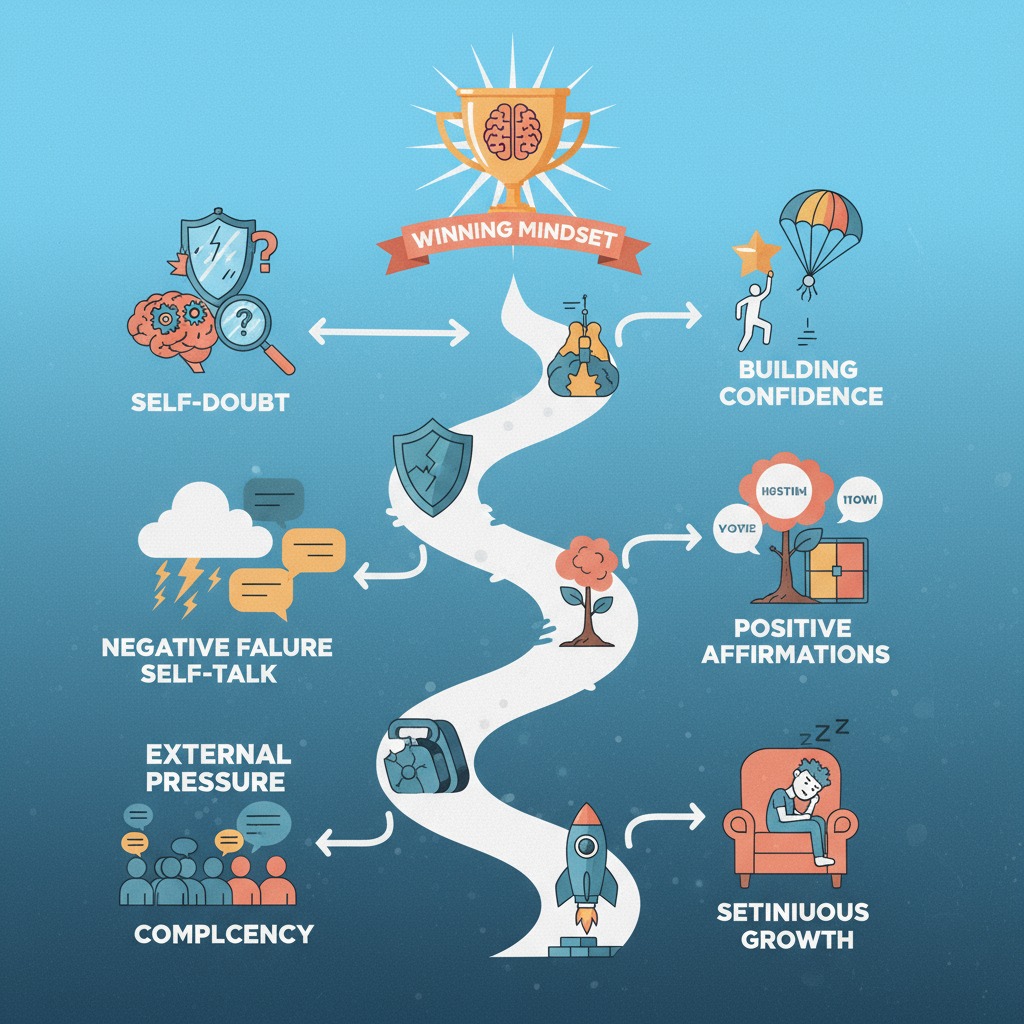
Winning mindset, though powerful, faces inevitable challenges that test persistence and determination. Common barriers include self-doubt, fear of failure, negative self-talk, external pressure, and complacency. Recognizing and addressing these obstacles is essential for maintaining momentum and fostering continuous growth.
Self-doubt often emerges when confronting new challenges or stepping outside comfort zones. It can paralyze decision-making and reduce confidence. Overcoming self-doubt requires reframing limiting beliefs and recalling past achievements. Affirmations, visualization of competence, and incremental goal-setting reinforce self-efficacy. Surrounding yourself with supportive mentors or peers also helps strengthen belief in one’s abilities.
Fear of failure is another major obstacle that can hinder progress. A winning mindset reframes failure as feedback rather than defeat. By focusing on process-oriented goals instead of obsessing over outcomes, individuals learn to view mistakes as learning experiences. Each setback becomes an opportunity to refine strategies, enhance knowledge, and develop resilience. This approach not only builds confidence but also eliminates the perfectionist tendencies that often sabotage performance.
Negative self-talk undermines motivation and creates self-sabotaging behavior. It can be countered through cognitive restructuring—replacing pessimistic thoughts with empowering statements. Practicing gratitude, mindfulness, and positive affirmations helps retrain the brain to maintain constructive inner dialogue. Over time, this shift strengthens mental clarity and reinforces the emotional balance needed to sustain a winning mindset.
External pressures and social comparisons are equally challenging. In an environment of competition, it’s easy to lose focus on personal progress. Mindfulness, boundary setting, and prioritizing intrinsic goals over external validation preserve mental energy and direction. Individuals who focus on their own growth curve, rather than comparing themselves to others, maintain greater satisfaction and long-term motivation.
Lastly, complacency can erode discipline once success is achieved. To prevent stagnation, continuous learning and feedback are crucial. Setting new challenges, exploring unfamiliar fields, and engaging in mentorship roles help sustain momentum. Staying curious ensures the winning mindset remains dynamic and forward-focused.
By proactively addressing these challenges, individuals strengthen their resilience and maintain consistency even during difficult times. Each obstacle, when met with awareness and strategy, becomes a building block for a stronger, more adaptable mindset that supports sustained success.
7. Conclusion
Winning mindset is not a one-time achievement but a lifelong journey of personal evolution. It transforms how individuals think, act, and respond to life’s challenges. By integrating growth mindset principles and performance psychology into daily practice, one develops a powerful combination of confidence, adaptability, and persistence that fuels continuous success.
The foundation of a winning mindset lies in consistency, reflection, and resilience. Progress often comes through small, incremental improvements rather than grand leaps. Daily commitment to effort, focus, and emotional regulation compounds over time, producing extraordinary results in both personal and professional arenas. Every decision to persevere through discomfort or learn from failure strengthens the neural and emotional pathways associated with growth.
Moreover, winning mindset extends beyond achieving goals—it reshapes identity. It encourages individuals to embrace lifelong learning, maintain optimism in uncertainty, and approach life’s challenges as opportunities for mastery. Techniques like visualization, mindfulness, journaling, and goal-setting provide the structure needed to align actions with long-term vision.
In addition, a winning mindset creates a ripple effect on one’s environment. When individuals cultivate positivity, discipline, and resilience, they inspire those around them—whether in families, workplaces, or communities—to adopt similar attitudes. Leaders with a winning mindset promote teamwork, innovation, and emotional stability within their teams. This collective mindset builds a culture of mutual growth, where people are motivated to support each other’s ambitions and well-being. Such an atmosphere not only enhances productivity but also fosters emotional connection and collaboration.
Furthermore, sustaining a winning mindset requires continuous self-awareness and adaptability. Life’s circumstances change, and challenges evolve, but those who regularly reassess their goals and mental habits remain aligned with progress. Practicing gratitude, embracing feedback, and celebrating small wins nurture long-term motivation and prevent burnout. Ultimately, the essence of a winning mindset lies in its adaptability—it grows with experience and strengthens through reflection.
By committing to this mindset, you embrace a philosophy of continuous growth, adaptability, and excellence. You become the architect of your success, shaping not only your future but also your perception of what is possible. The journey may demand discipline and patience, but the reward—a resilient, empowered, and purpose-driven life—is worth every step.