

Table of Contents
1. Introduction – Understanding the Art of Letting Go
The art of letting go is one of the most transformative practices for achieving emotional freedom and lasting personal growth. It is the conscious act of releasing pain, resentment, and attachments that no longer serve your mental or emotional well-being. Letting go is not about denying your emotions or erasing memories—it’s about accepting reality as it is and choosing peace over suffering. When you truly understand this practice, you begin to realize that emotional release is an act of strength, not weakness.
In today’s world, filled with endless comparisons, unrealistic expectations, and emotional noise, many of us carry unseen burdens—old heartbreaks, past regrets, guilt, or disappointment. These emotional weights anchor us to the past, preventing us from experiencing the present moment fully. The art of letting go teaches that holding on to pain doesn’t protect us—it only prolongs our suffering. When we release what we cannot change, we make room for healing, growth, and renewed energy.
By practicing emotional release and nurturing inner peace, you begin to free your mind from constant overthinking. It allows you to redirect your focus from what’s lost to what’s possible. Letting go is not about losing someone or something—it’s about finding yourself again. The art of letting go helps you rediscover your strength, rebuild your confidence, and reconnect with the serenity that lies beneath life’s chaos. It teaches you that peace isn’t something to be found outside; it’s created within when you choose to release what no longer belongs.
Ultimately, the art of letting go is an invitation to trust life again. It’s about believing that every ending carries the seed of a new beginning. When you release what weighs you down, you open yourself to transformation, self-love, and emotional healing. This process not only brings clarity to your heart but also teaches you how to live more fully in the present moment—free, grounded, and at peace with yourself.
2. Why Letting Go is Essential for Emotional Wellness
The art of letting go is a cornerstone of emotional wellness because it represents courage—the courage to face pain, to forgive, and to move forward. Many people mistake letting go for giving up, but in truth, it is a profound act of empowerment. Emotional well-being depends on our ability to process and release negative emotions rather than suppressing them. When we cling to pain, anger, or resentment, we trap ourselves in a cycle of emotional exhaustion that stifles growth.
Learning to let go liberates your heart and mind from emotional stagnation. It helps you stop overanalyzing past experiences and instead focus your energy on the present. The art of letting go provides clarity, allowing you to make decisions without being clouded by old wounds or regret. This shift brings emotional stability, which naturally supports a calmer and more balanced state of mind.
From a wellness perspective, emotional release has tangible benefits for your physical and mental health. Studies reveal that people who learn to forgive and move on experience reduced stress levels, improved sleep quality, and enhanced focus. The act of releasing emotional baggage lightens both the mind and body, creating a sense of harmony and peace. By embracing the art of letting go, you reclaim your personal power—the ability to decide what deserves your energy and what does not. Ultimately, this conscious release leads to greater self-compassion, emotional clarity, and lasting inner peace.
Moreover, the art of letting go strengthens emotional intelligence. When you practice detachment with understanding, you learn to regulate emotions effectively instead of reacting impulsively. This fosters resilience, empathy, and acceptance, helping you navigate challenges with grace. By freeing yourself from unnecessary attachments, you gain the strength to grow beyond pain and nurture a deeper connection with your true self.
3. The Psychological Perspective: Why We Hold On
The art of letting go becomes easier to practice when we understand the psychology behind holding on. Human beings are naturally wired for attachment—it gives us a sense of identity, comfort, and belonging. When we lose someone, something, or a part of ourselves, it feels like the foundation of who we are has been shaken. This deep emotional connection is why letting go can feel unnatural and even painful.
Fear plays a major role in resistance to letting go. We fear change, the unknown, and the void that follows release. The mind believes that clinging to familiar pain is safer than facing uncertainty. As a result, we replay memories, conversations, or events in an attempt to make sense of them, but this often deepens our emotional wounds instead of healing them.
The ego further complicates the process. It thrives on validation and control, convincing us that we need closure or that we can fix what has already passed. However, the art of letting go challenges this belief. It teaches us to detach without denial—to acknowledge our emotions, honor them, and then release their hold over us. This doesn’t mean forgetting your experiences; it means recognizing that you no longer need to be defined by them. Understanding this psychological foundation makes the process of emotional release more compassionate, patient, and effective.
Additionally, our past conditioning often influences how tightly we hold on. Many of us are taught that persistence equals strength, even when it causes pain. But in reality, true strength lies in knowing when to release. The art of letting go redefines strength—it’s not in resistance, but in surrender. When you allow yourself to let go, you move from survival mode to growth mode, breaking free from emotional loops that limit your potential for happiness and peace.
4. The Connection Between Letting Go and Inner Peace
The art of letting go and inner peace are deeply interconnected. True peace arises not from the absence of challenges but from the ability to remain calm and centered despite them. When you let go of emotional clutter—anger, resentment, guilt—you clear the space within yourself for serenity to grow. The mind becomes quieter, the heart lighter, and the spirit freer.
Letting go also encourages mindfulness—the practice of living in the present moment. Most emotional turmoil stems from dwelling on the past or fearing the future. The art of letting go shifts your focus to the now, helping you appreciate life as it unfolds. By being fully present, you gain clarity about your thoughts and emotions, which naturally cultivates a sense of balance and acceptance.
Furthermore, letting go reduces emotional reactivity. When you are no longer controlled by past wounds, you respond to challenges with greater wisdom and calmness. This emotional maturity strengthens your resilience and deepens your connection to yourself. The art of letting go teaches that peace isn’t about controlling your circumstances—it’s about releasing the need to control. It is the process of surrendering what you can’t change and embracing what you can: your attitude, your mindset, and your inner calm.
When practiced consistently, letting go becomes a lifestyle—a continuous journey toward freedom and clarity. You start to see that peace is not something you chase; it’s something you uncover when you release everything that isn’t peace. Through this practice, the art of letting go becomes not just an emotional skill, but a pathway to self-mastery, harmony, and profound mental wellness.

5. The Role of Self-Compassion in the Art of Letting Go
The art of letting go begins with self-compassion — the ability to treat yourself with the same kindness and understanding you would offer a loved one. Many people struggle to move forward because they hold on to guilt, regret, or self-blame. They replay past mistakes or painful moments, believing they could have done more or been better. But the truth is, healing cannot grow in a mind filled with self-criticism. Practicing self-compassion means accepting that you are human — that imperfection, mistakes, and pain are all part of the shared human experience. This acceptance creates emotional safety, allowing you to release what no longer serves your peace.
In the art of letting go, self-compassion helps you silence the inner critic that fuels emotional suffering. When you show yourself empathy, you begin to dissolve feelings of shame and inadequacy. Instead of asking “Why did this happen to me?” you start to ask, “What can I learn from this?” This gentle shift transforms pain into wisdom and replaces self-judgment with emotional growth. Self-compassion doesn’t erase your past, but it helps you make peace with it. You begin to understand that your past doesn’t define you — it refines you.
Another powerful aspect of self-compassion in the art of letting go is learning to forgive yourself for choices made under emotional strain or limited awareness. Everyone acts according to their understanding at the time, and holding yourself hostage to old regrets only delays healing. By offering forgiveness to yourself, you give your heart permission to rest and recover. Self-compassion reminds you that your worth is not determined by what happened — it’s defined by how you choose to heal, learn, and move forward.
Ultimately, the art of letting go and self-compassion go hand in hand. When you learn to nurture your own heart, you become less dependent on external validation and more anchored in inner peace. You realize that letting go is not a sign of weakness — it’s an act of strength and self-respect. By embracing compassion, you soften your emotional resistance, open yourself to healing, and create the inner freedom needed to truly move on.
6. 11 Practical Ways for Emotional Release and Finding Inner Peace
The art of letting go is a deeply personal yet universally healing process. It’s not about erasing the past or pretending pain never existed—it’s about freeing yourself from the emotional chains that hold you back. True healing begins when you decide to release the weight of resentment, guilt, or regret that keeps your mind anchored in the past. The art of letting go helps you reconnect with your authentic self by creating space for renewal, clarity, and calm. Below are eleven deeply practical and transformative ways to cultivate emotional release and rediscover lasting inner peace.
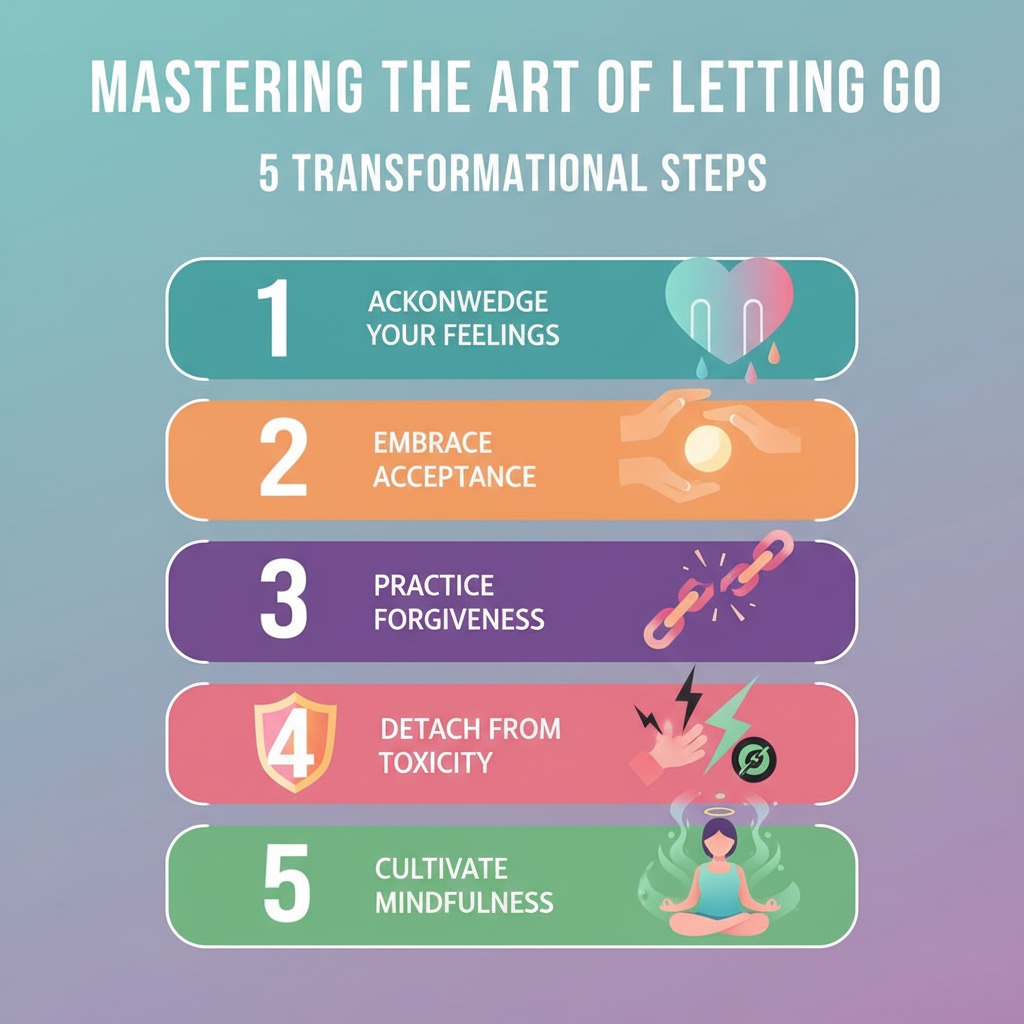
1. Acknowledge Your Feelings Instead of Suppressing Them
The first step in mastering the art of letting go is to acknowledge your emotions openly. Too often, people bury pain, hoping it will fade, but suppressed feelings only resurface in other forms—stress, anxiety, or anger. Instead of avoiding what you feel, sit with your emotions. Allow yourself to cry, grieve, or express disappointment without judgment. Emotional awareness creates a safe space for healing and paves the way for genuine emotional release. When you allow feelings to flow freely, they lose their intensity and gradually dissolve, leaving behind clarity and relief.
2. Accept What You Cannot Control
The art of letting go is rooted in acceptance. Life often unfolds in unpredictable ways, and no amount of control can guarantee certain outcomes. Whether it’s a failed relationship, missed opportunity, or unfulfilled expectation, learning to accept that some things are beyond your control brings peace. Acceptance doesn’t mean giving up—it means choosing serenity over struggle. It shifts your energy from resistance to understanding, helping you focus on what you can change—your response, your choices, and your mindset. When you surrender control, you align with the natural rhythm of life and rediscover emotional balance.
3. Forgive Others and Yourself
At the heart of the art of letting go lies forgiveness. Holding on to anger or guilt keeps emotional wounds open, preventing healing. Forgiveness is not about approving what happened—it’s about releasing its power over you. By forgiving others, you break free from resentment; by forgiving yourself, you release shame and self-blame. Both forms of forgiveness bring profound emotional release, clearing space for peace and renewal. Remember, forgiveness is a gift you give yourself—it lightens your emotional load and allows your heart to breathe again.
4. Detach from Toxic Attachments
The art of letting go often requires distancing yourself from relationships, habits, or memories that drain your energy. Detachment doesn’t mean indifference; it means valuing your peace enough to step away from what harms your growth. Whether it’s a toxic friendship, unhealthy routine, or painful past event, letting go is an act of self-respect. Detachment teaches you that love and boundaries can coexist. You can care deeply yet still choose yourself. When you detach from toxicity, you create emotional space for healing, clarity, and authentic connection.
5. Practice Mindfulness and Meditation
Mindfulness strengthens your ability to stay grounded in the present moment—a vital part of the art of letting go. Through meditation, deep breathing, or body awareness, you learn to observe emotions without being consumed by them. Instead of reacting impulsively to pain, you develop calm awareness. This state of presence helps dissolve attachment to past hurts and reduces anxiety about the future. Mindfulness connects you with your inner stillness, reminding you that peace already exists within—you just need to make room for it by releasing what no longer serves you.
6. Shift Your Focus from the Past to the Present
The art of letting go teaches that peace cannot exist where the mind is trapped in “what ifs.” Constantly revisiting the past reinforces emotional pain. Redirect your energy to the present—the only moment where healing truly happens. Engage in meaningful activities, nurture hobbies, or spend time in nature to stay grounded in the now. When you live in the present, regrets lose their grip, and every new moment becomes an opportunity to heal, grow, and begin again. Presence is power—it transforms pain into purpose.
7. Reframe Negative Thoughts
The mind is powerful, and the art of letting go depends on how you choose to think about your experiences. Instead of viewing losses as failures, reframe them as lessons that shaped your resilience. Replace self-criticism with compassion and gratitude for the strength you’ve gained. Affirmations like “I release what no longer serves me” or “I trust the process of life” can help reprogram your mindset. This mental shift allows you to stop identifying with pain and start embracing the wisdom it left behind. Reframing is emotional alchemy—it turns suffering into strength.
8. Journal Your Emotions and Reflections
Journaling is a powerful practice for the art of letting go. Writing allows you to release bottled-up thoughts and emotions safely. When you put your feelings into words, they become tangible and easier to process. Use your journal to express gratitude, forgiveness, or closure. Over time, you’ll notice recurring patterns and deeper insights about your emotional journey. Journaling transforms confusion into understanding and chaos into calm. It’s like having a private conversation with your soul—one that helps you heal and move forward with confidence.
9. Engage in Physical Release Activities
The art of letting go involves not only the mind but also the body. Emotional tension often manifests physically—in tight muscles, shallow breathing, or fatigue. Engaging in yoga, running, dancing, or mindful stretching helps release stored emotions and restore inner balance. Physical movement reconnects you with your body’s natural rhythm, signaling safety and calm to your nervous system. The more you move with awareness, the more emotional energy you release, creating a sense of liberation and grounded peace.
10. Surround Yourself with Supportive Energy
Healing requires a nurturing environment. The art of letting go flourishes when you are surrounded by people who uplift, understand, and respect your emotional journey. Spend time with those who listen without judgment and inspire you to grow. Minimize exposure to negativity—whether it comes from toxic relationships or draining online spaces. A supportive environment acts as emotional nourishment, reminding you that you’re not alone. Positive energy strengthens your capacity to let go, rebuild, and move forward with hope.
11. Embrace Gratitude and New Beginnings
The final step in mastering the art of letting go is embracing gratitude. Gratitude transforms pain into appreciation by shifting your focus from what’s lost to what’s left. Every ending, no matter how painful, carries lessons and wisdom that prepare you for new beginnings. Practice gratitude daily—list three things you’re thankful for, no matter how small. This habit rewires your brain to seek joy rather than dwell on pain. Letting go is not the end—it’s a rebirth. Each time you release, you make space for something better to enter your life.
7. How to Practice the Art of Letting Go Daily
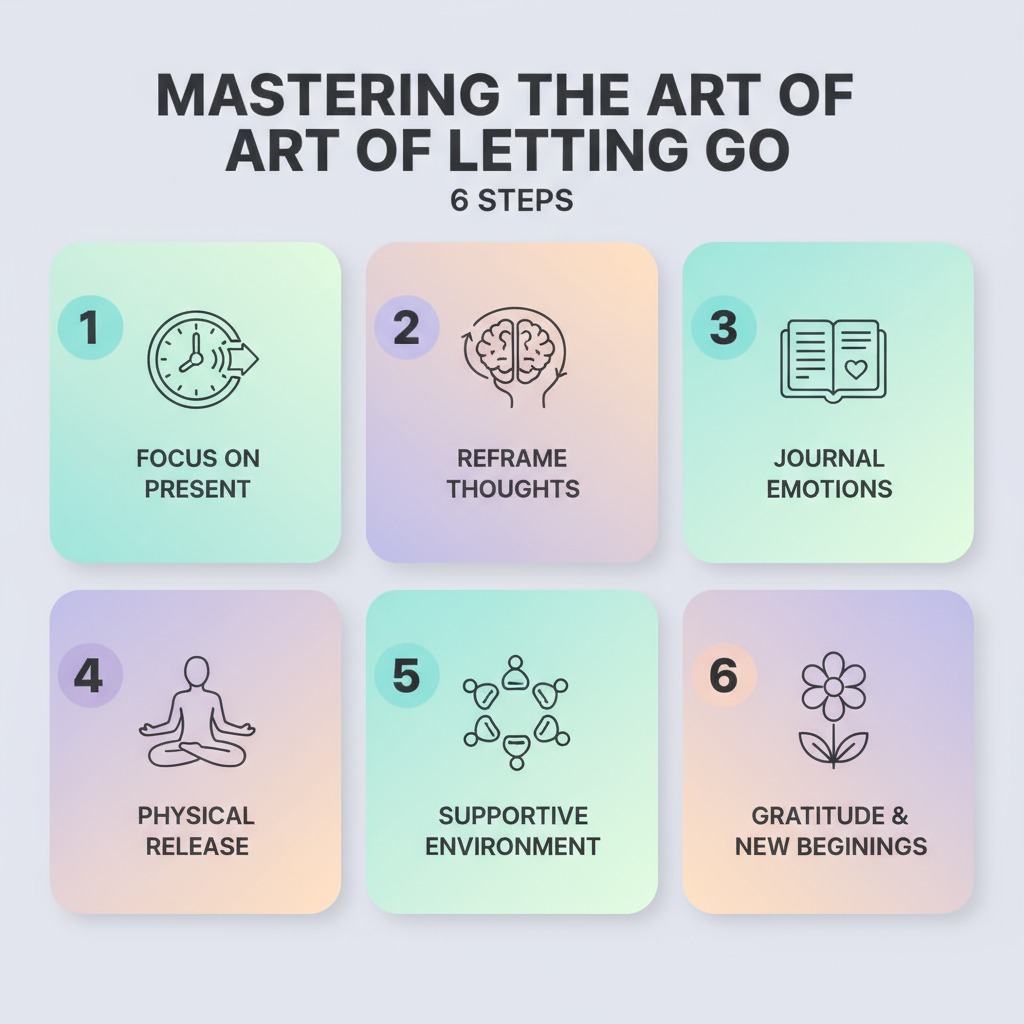
The art of letting go is not a one-time decision — it’s a daily practice that deepens with awareness and patience. Each day offers a new opportunity to release emotional weight, cultivate peace, and live with more clarity. To begin, start your mornings with mindfulness. Take a few deep breaths, acknowledge any lingering thoughts from the past, and gently tell yourself, “I release what I cannot control.” This daily affirmation sets the tone for emotional freedom and helps you stay grounded in the present moment.
Another key aspect of the art of letting go is journaling. Writing about your emotions allows you to process them safely and reflect without judgment. It provides clarity on what truly matters and helps you identify patterns of attachment or pain that need release. Additionally, incorporating simple acts like meditation, gratitude, and spending time in nature can strengthen your ability to let go. Each practice creates space between you and your thoughts, helping you detach from what no longer serves your well-being.
Consistency is essential. The art of letting go works gradually — like peeling away layers of emotional resistance. Over time, you’ll notice that your triggers lose their power and your emotional reactions soften. This is a sign of growth. When you approach each day with patience, compassion, and mindfulness, you transform letting go into a natural rhythm of life — one that nurtures lasting peace and inner balance.
Lastly, it’s helpful to create a self-care environment that supports this process. Surround yourself with positive influences — uplifting books, peaceful music, and supportive people who encourage healing. When your external space aligns with your internal goals, practicing the art of letting go becomes easier and more fulfilling. Each small, consistent effort adds up, allowing you to live with greater harmony, acceptance, and emotional strength every day.
8. The Role of Forgiveness in the Art of Letting Go
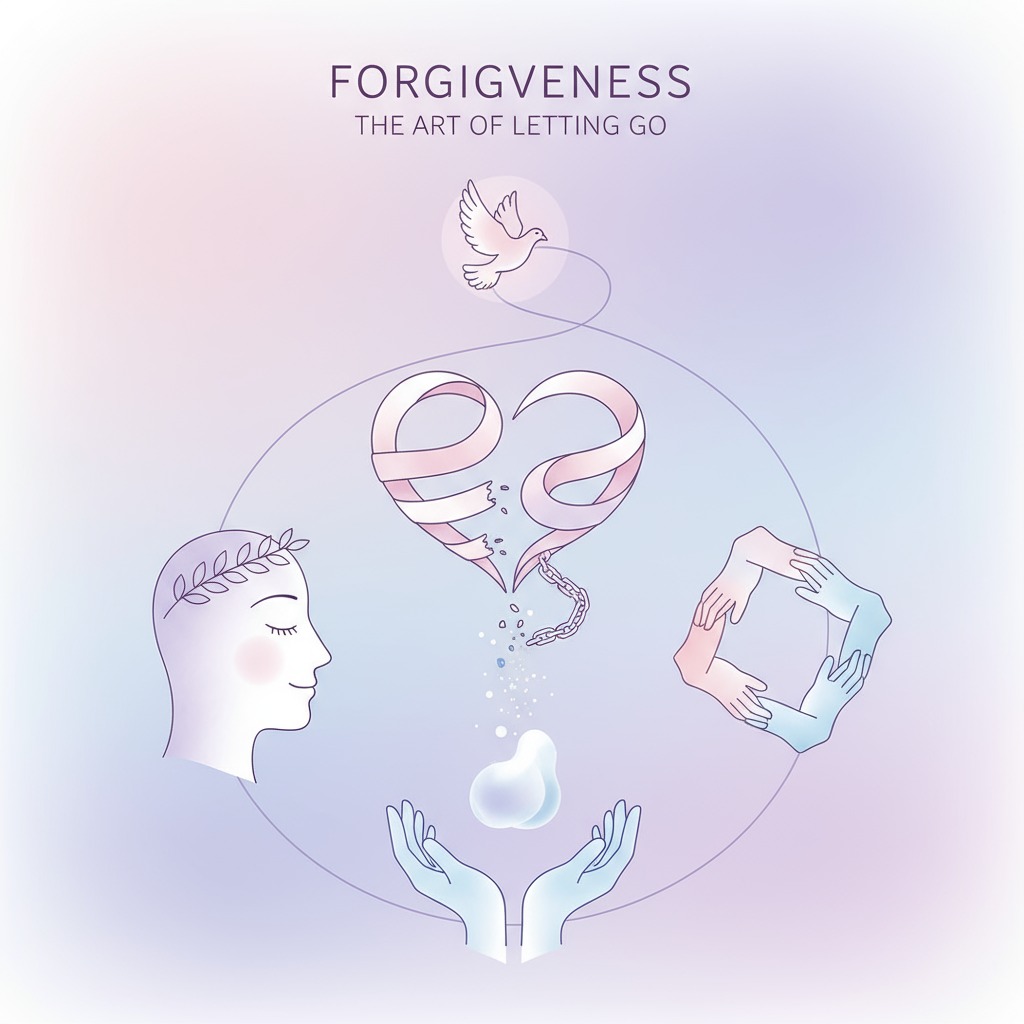
The art of letting go and forgiveness are deeply interconnected. Forgiveness is not about excusing someone’s actions — it’s about freeing yourself from the emotional grip of resentment and pain. When we hold onto anger or betrayal, we carry the emotional energy of that hurt wherever we go. It clouds judgment, blocks joy, and keeps the wound alive. Forgiveness, however, releases that weight and allows healing to take root. It’s not a gift to the person who hurt you — it’s a gift to your own soul.
Practicing forgiveness in the art of letting go involves shifting perspective. Instead of seeing yourself as a victim, see yourself as a survivor who has learned valuable lessons. This doesn’t mean forgetting what happened, but rather detaching your emotional identity from it. You can acknowledge the pain while choosing not to let it define your future. This conscious choice restores your inner power and makes space for peace and self-growth.
Forgiving yourself is equally crucial. Many people find it easier to forgive others than to forgive themselves. But the art of letting go begins with self-forgiveness — accepting that you did your best with the awareness and emotional tools you had at that time. When you release guilt and shame, you stop punishing yourself for being imperfect and start honoring your journey. True forgiveness opens the heart, quiets the mind, and restores harmony within.
In addition, forgiveness brings freedom in relationships and personal identity. When you forgive, you detach from the emotional chain that binds you to the past. It allows love, compassion, and trust to flow freely once again. Through the art of letting go, forgiveness becomes an act of liberation, empowering you to rebuild your inner peace and live with more empathy and understanding for yourself and others.
9. Overcoming Resistance in the Process of Letting Go
One of the biggest challenges in the art of letting go is overcoming resistance — the inner voice that says, “I can’t move on yet.” This resistance often comes from fear of the unknown, attachment to comfort zones, or an unwillingness to face deep emotions. The mind clings to what feels familiar, even when it causes pain, because change feels uncertain. But transformation requires courage — the courage to sit with discomfort and trust that healing awaits on the other side.
In the art of letting go, acknowledging resistance is the first step to dissolving it. Instead of fighting your emotions, allow yourself to feel them fully. Suppressed emotions don’t disappear; they manifest as anxiety, frustration, or sadness. When you give your feelings space to exist without judgment, they naturally begin to lose intensity. Breathing exercises, mindful reflection, and self-dialogue are powerful tools for softening resistance and bringing clarity.
It’s also helpful to remind yourself that letting go doesn’t mean losing — it means creating space for new beginnings. Every ending carries a seed of transformation. When you release what weighs you down, you make room for relationships, experiences, and opportunities that align with your growth. The art of letting go is not about rushing the process but trusting it. The more you surrender resistance, the more peace naturally flows into your life.
Finally, remember that resistance is a sign of progress, not failure. It shows that you are confronting deeply rooted patterns that once kept you safe. Approach this phase with self-compassion. The art of letting go invites patience — it teaches you that growth happens gradually, one emotional release at a time. With persistence and faith, resistance transforms into resilience, and pain transforms into peace.
10. The Spiritual Dimension of the Art of Letting Go
The art of letting go extends beyond psychology — it touches the spiritual core of human experience. Spiritually, letting go is about surrendering to the natural flow of life and trusting that everything unfolds for a reason. When we hold on tightly to outcomes, relationships, or expectations, we block the universe’s ability to guide us toward better paths. Letting go opens the door to divine timing — allowing life to unfold in ways that serve your highest purpose.
In spiritual traditions worldwide, the art of letting go is viewed as an act of faith. Whether through prayer, meditation, or contemplation, surrendering control allows your soul to rest. It reminds you that peace doesn’t come from control — it comes from connection. When you trust the process, you align yourself with universal energy, finding balance and serenity even amid uncertainty.
Spiritually, letting go is also a path toward self-realization. It helps you detach from the ego — the part of you that clings to identity, status, and validation. When you release these attachments, what remains is your authentic self — peaceful, compassionate, and free. The art of letting go at this level becomes a sacred journey inward, where you discover that true freedom is not in holding on but in being fully present and open to the flow of life.
Moreover, embracing the spiritual aspect of letting go strengthens faith in life’s timing and purpose. You begin to see endings not as losses but as transformations leading to something greater. The art of letting go reminds you that the universe is always working in your favor, even when it asks you to release something dear. Trusting this divine flow allows you to live with calm assurance, acceptance, and unwavering inner peace.
11. Conclusion – Embracing the Art of Letting Go for Lasting Inner Peace
The art of letting go is more than a coping mechanism — it is a conscious lifestyle choice that nurtures emotional freedom, resilience, and inner peace. By releasing attachments, grudges, and past disappointments, you create the mental and emotional space to experience life fully. Letting go does not mean forgetting or condoning past experiences; it means reclaiming your power to define your present and future without being tethered to pain. This conscious release transforms how you respond to challenges, setbacks, and relationships, allowing you to act with clarity rather than reaction.
Practicing the art of letting go brings profound benefits to both mental wellness and overall well-being. Emotional release reduces stress, alleviates anxiety, and supports physical health by lowering tension and promoting better sleep. Inner peace emerges naturally when you no longer expend energy resisting reality or clinging to what cannot be controlled. It also enhances personal growth, helping you build resilience, empathy, and emotional intelligence — qualities that strengthen relationships, decision-making, and self-awareness.
Integrating the art of letting go into daily life requires mindfulness, reflection, and consistent effort. Journaling, meditation, affirmations, and conscious forgiveness become tools for daily emotional release. Over time, these practices cultivate a sense of calm, acceptance, and gratitude. You begin to recognize that every experience, whether joyful or painful, serves a purpose in shaping your journey. Letting go becomes not just a single act but a continuous process that fosters self-discovery and a deep sense of inner fulfillment.
Ultimately, embracing the art of letting go allows you to live in the present moment without the burden of the past. It encourages you to trust life’s flow, release unnecessary control, and welcome new opportunities with openness and courage. As you commit to this practice, you find that peace is not a distant goal but a living experience accessible in every breath, thought, and action. By letting go, you reclaim your freedom, elevate your emotional well-being, and move forward with clarity, confidence, and lasting inner peace.
This conscious choice to practice the art of letting go is transformative. It empowers you to release what no longer serves your highest good, heal emotional wounds, and create a life grounded in serenity, authenticity, and balance. Over time, this commitment becomes a cornerstone of mental wellness and personal growth, allowing you to navigate life’s uncertainties with grace, courage, and unwavering inner calm for personal development and growth.