

Table of Contents
1. Introduction
Building emotional maturity is one of the most transformative abilities a person can develop, shaping how we think, react, and connect with the world around us. It’s not just about staying calm under pressure; it’s about developing a deeper understanding of ourselves and others. Emotional maturity helps us manage inner turbulence, handle criticism with grace, and make thoughtful choices even in moments of chaos. In today’s world—where stress, comparison, and emotional burnout are common—this maturity becomes a crucial life skill that strengthens mental wellness and creates balance in relationships.
At its essence, building emotional maturity empowers individuals to recognize emotions without being controlled by them. It means understanding anger without becoming hostile, feeling sadness without falling into despair, and embracing joy without dependency. This emotional balance doesn’t appear overnight; it grows through awareness, reflection, and intentional practice. Each time we pause to reflect before reacting, or choose empathy over ego, we are nurturing maturity that protects our peace of mind and strengthens self-control.
Building emotional maturity also plays a key role in building meaningful relationships. When people are emotionally grounded, they communicate openly, listen actively, and respect differences. They handle disagreements with patience instead of defensiveness and understand that emotional safety in relationships is built through honesty and consistency. Whether in friendships, family bonds, or professional settings, emotionally mature individuals create an atmosphere of trust and understanding. Over time, this mindset becomes the foundation for lasting happiness and emotional stability—a form of strength that grows quietly, yet deeply transforms every aspect of life.
Another important aspect of building emotional maturity is accountability. Emotionally mature individuals take responsibility for their emotions and actions rather than shifting blame onto others. They understand that every emotion—whether anger, disappointment, or frustration—comes with a lesson about unmet needs or personal boundaries. This self-accountability allows them to grow without resentment, learn from every challenge, and build emotional independence. Ultimately, maturity gives people the emotional wisdom to respond with clarity instead of confusion, compassion instead of judgment, and confidence instead of fear.
2. What is Emotional Maturity and Why It Matters
Building emotional maturity means learning to manage and express emotions in a balanced and thoughtful way. It is the process of developing emotional awareness, restraint, and compassion. A mature person doesn’t suppress feelings or pretend not to care—they recognize emotions as natural responses to life experiences and express them constructively. For example, instead of reacting impulsively during conflict, they pause, reflect, and respond calmly. This ability to control emotions without denying them creates inner peace and resilience.
Many people believe emotional maturity comes naturally with age, but it is actually learned through self-awareness and conscious effort. Some adults may struggle with emotional control, while younger individuals who reflect and practice empathy may display remarkable maturity. True growth begins when a person learns to take responsibility for their emotions, acknowledging that others can trigger feelings, but only they can choose how to respond. This mindset replaces blame with accountability and reaction with reflection.
The importance of emotional maturity extends to every area of life—from personal well-being to professional success. It shapes how we make decisions, build relationships, and recover from setbacks. Emotionally mature people handle criticism without losing confidence, manage stress without withdrawal, and navigate uncertainty without panic. They value emotional honesty over perfection and understand that vulnerability is a form of strength, not weakness. This maturity doesn’t remove life’s challenges—it transforms the way we face them. By developing emotional balance, we find clarity in chaos, patience in frustration, and compassion even in conflict.
Furthermore, emotional maturity serves as the bridge between emotional health and long-term happiness. It teaches individuals how to set boundaries without guilt, forgive without forgetting lessons, and communicate needs without aggression. When people are emotionally mature, they stop reacting to every emotion and start understanding what those emotions are trying to say. This awareness leads to emotional independence—the freedom to remain centered even when external circumstances are unstable. In the journey toward personal and relationship growth, emotional maturity becomes the compass that guides behavior, choices, and well-being.

3. The Role of Emotional Intelligence in Building Emotional Maturity
Building emotional maturity is deeply connected to emotional intelligence—the skill that helps us understand and manage both our own emotions and those of others. Emotional intelligence, or EQ, consists of four main elements: self-awareness, self-regulation, empathy, and relationship management. Together, these elements serve as the pillars of maturity, guiding how we think, feel, and respond in every emotional situation. When a person develops emotional intelligence, they gain the ability to make decisions that balance reason and emotion, ensuring their reactions are thoughtful rather than impulsive.
Self-awareness is the foundation of both EQ and maturity. It begins with recognizing emotional triggers and patterns, understanding why we feel certain ways, and acknowledging how our emotions influence our behavior. Once we’re aware, self-regulation comes into play—it allows us to control impulsive reactions and manage emotional intensity. People with strong emotional control can stay calm in conflict, adapt to change easily, and maintain focus even under stress. This calmness doesn’t mean emotional suppression—it means having emotional clarity that keeps chaos from taking over.
Empathy, another core aspect of EQ, builds emotional bridges between people. It allows us to sense and understand what others are feeling, leading to more compassionate interactions. Empathetic individuals listen deeply, validate emotions, and offer comfort without judgment. This emotional understanding naturally strengthens bonds, encourages mutual respect, and fuels relationship growth. Finally, relationship management combines all these skills—it’s the ability to communicate honestly, handle disagreements peacefully, and nurture long-term emotional connections.
Emotional intelligence turns emotional awareness into emotional wisdom. It’s what helps people make mature choices even when faced with stress or misunderstanding. By strengthening EQ, individuals not only gain control over their emotions but also become better partners, leaders, and friends. It is through this understanding and emotional balance that true maturity takes root—quietly shaping a life filled with empathy, patience, and authenticity.
4. 7 Key Lessons on Building Emotional Maturity
Building emotional maturity is a lifelong process of awareness, self-reflection, and continuous growth. It’s not about suppressing emotions but understanding and managing them in a balanced way. This maturity develops through everyday experiences—how we handle disagreements, disappointments, and challenges.
Each emotional experience, whether pleasant or painful, becomes a lesson that shapes our reactions and deepens our understanding of ourselves and others. Below are seven meaningful lessons that help in developing the foundation for emotional strength and harmony in both personal and professional life.
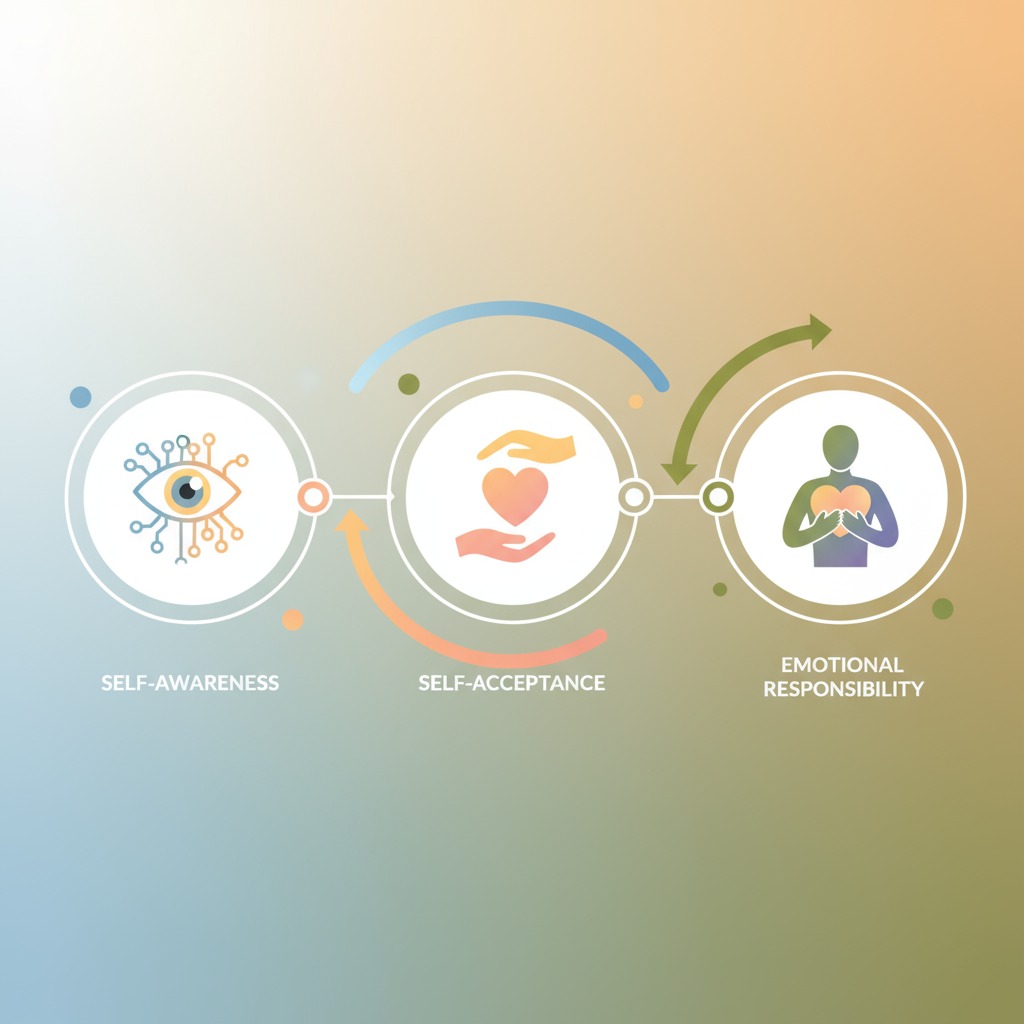
Lesson 1: Self-Awareness – Understanding Your Emotions and Triggers
Building emotional maturity begins with self-awareness—the ability to recognize your emotions and understand what triggers them. When you can observe your feelings without immediate reaction, you create a gap between emotion and response. This pause allows clarity and control. For instance, if someone’s criticism makes you defensive, noticing that emotion before reacting helps prevent unnecessary conflict.
Self-awareness also means reflecting on how your thoughts influence your behavior. By regularly checking in with yourself—asking what you feel and why—you develop emotional balance, which helps you respond thoughtfully instead of reacting impulsively.
Lesson 2: Self-Acceptance – Embracing Your Strengths and Weaknesses
Building emotional maturity also involves self-acceptance—the ability to embrace your strengths and flaws with compassion. Emotionally mature individuals understand that perfection is impossible, and growth happens through imperfection. Instead of criticizing themselves for mistakes, they see each experience as a step toward self-improvement.
This mindset reduces insecurity and emotional comparison with others. When you accept who you are—your journey, struggles, and limitations—you free yourself from the need for constant validation. Over time, self-acceptance creates confidence and peace, allowing you to focus on growth rather than self-judgment.
Lesson 3: Emotional Responsibility – Owning Your Reactions Instead of Blaming Others
Building emotional maturity teaches us to take responsibility for our emotions rather than blaming others. Emotionally responsible people know that while others may influence how they feel, their reaction is always within their control. Instead of saying, “You made me angry,” they reflect on why they allowed themselves to feel that way.
This shift creates empowerment—it means no one else controls your emotional state. Taking emotional responsibility leads to better communication, less conflict, and greater personal freedom. It transforms emotional chaos into calm understanding and helps build stronger, more respectful relationships.
Lesson 4: Empathy – Learning to Feel and Understand Others’ Perspectives
Building emotional maturity naturally strengthens empathy—the ability to feel and understand others’ emotions. Empathy is not about fixing people but about listening and connecting with their experiences. When you put yourself in someone else’s shoes, you create emotional bridges that bring trust and harmony.
Empathy also helps in resolving conflicts gently and deepening emotional bonds. In workplaces, it promotes teamwork and understanding; in personal life, it nurtures connection and compassion. Practicing empathy helps us move beyond judgment and embrace kindness, allowing relationship growth to happen naturally.
Lesson 5: Mindful Communication – Speaking with Calmness and Clarity
Building emotional maturity enhances mindful communication—the art of expressing feelings honestly while staying calm and respectful. It’s about choosing words with care and being aware of how they might affect others. Mindful communicators listen with attention, think before speaking, and express disagreement without anger.
They know that the goal of communication is not to win arguments but to create understanding. This skill reduces misunderstandings, strengthens relationships, and helps maintain emotional balance even in tough conversations. When communication is mindful, emotional connection becomes stronger and more authentic.
Lesson 6: Setting Boundaries – Protecting Emotional Energy in Relationships
Building emotional maturity also means learning to set healthy boundaries. Boundaries are invisible lines that protect your emotional energy and personal space. Without them, people often feel drained, taken for granted, or emotionally overwhelmed. Setting boundaries doesn’t mean being distant—it means knowing your limits and respecting yourself enough to say “no” when needed.
Emotionally mature individuals understand that healthy boundaries create mutual respect in relationships. By defining what behavior is acceptable, you prevent emotional burnout and maintain inner peace. Boundaries, therefore, are a powerful form of self-care that sustains emotional strength.
Lesson 7: Patience – Managing Emotions During Delays or Challenges
Building emotional maturity develops patience—the ability to remain calm during delays, stress, or challenges. Life rarely goes as planned, and frustration is natural. But reacting impulsively often worsens the situation. Patience allows you to step back, breathe, and view things with perspective. It’s a sign of emotional control and wisdom.
Emotionally mature people understand that progress takes time, and emotional stability is maintained through trust in the process. Practicing patience leads to emotional clarity, better decision-making, and stronger relationships, as it replaces irritation with understanding and composure.

5. How Emotional Maturity Improves Decision-Making
Building emotional maturity has a profound influence on how we make decisions in life. Emotionally mature individuals are guided not by impulsive reactions but by thoughtful reflection. They understand that every decision involves an emotional dimension, not just a logical one. When faced with uncertainty, they pause to reflect, evaluate their emotions, and consider long-term outcomes. This ability to stay calm and grounded enables them to make choices that align with their values and personal growth.
In moments of emotional intensity, people who have developed emotional maturity can separate immediate feelings from reasoned judgment. For example, during arguments, they focus on finding resolution rather than proving a point. This measured approach leads to more constructive communication and healthier relationships. Their decisions are rarely influenced by temporary emotions like anger or pride but are guided by empathy, fairness, and integrity. This inner balance ensures that even difficult choices are made with clarity and compassion.
In the professional world, building emotional maturity becomes an essential leadership quality. Emotionally mature leaders inspire trust and stability. They understand that decisions in business or teamwork are not just about data—they also impact people’s morale and emotions. By listening actively, managing stress, and communicating transparently, such leaders create environments where people feel heard and valued. Their balanced mindset allows them to handle conflicts objectively and make inclusive, sustainable decisions.
Moreover, research in emotional intelligence shows that individuals with high emotional maturity perform better in high-pressure situations. They are less likely to succumb to stress, and more likely to adapt when challenges arise. Their ability to recognize emotional bias before acting helps them avoid regret and impulsive mistakes. Whether it’s a personal choice or a major life decision, building emotional maturity allows people to combine heart and mind effectively—making their decisions not only smarter but also kinder, more ethical, and emotionally aware.
6. Practical Ways to Build Emotional Maturity Daily
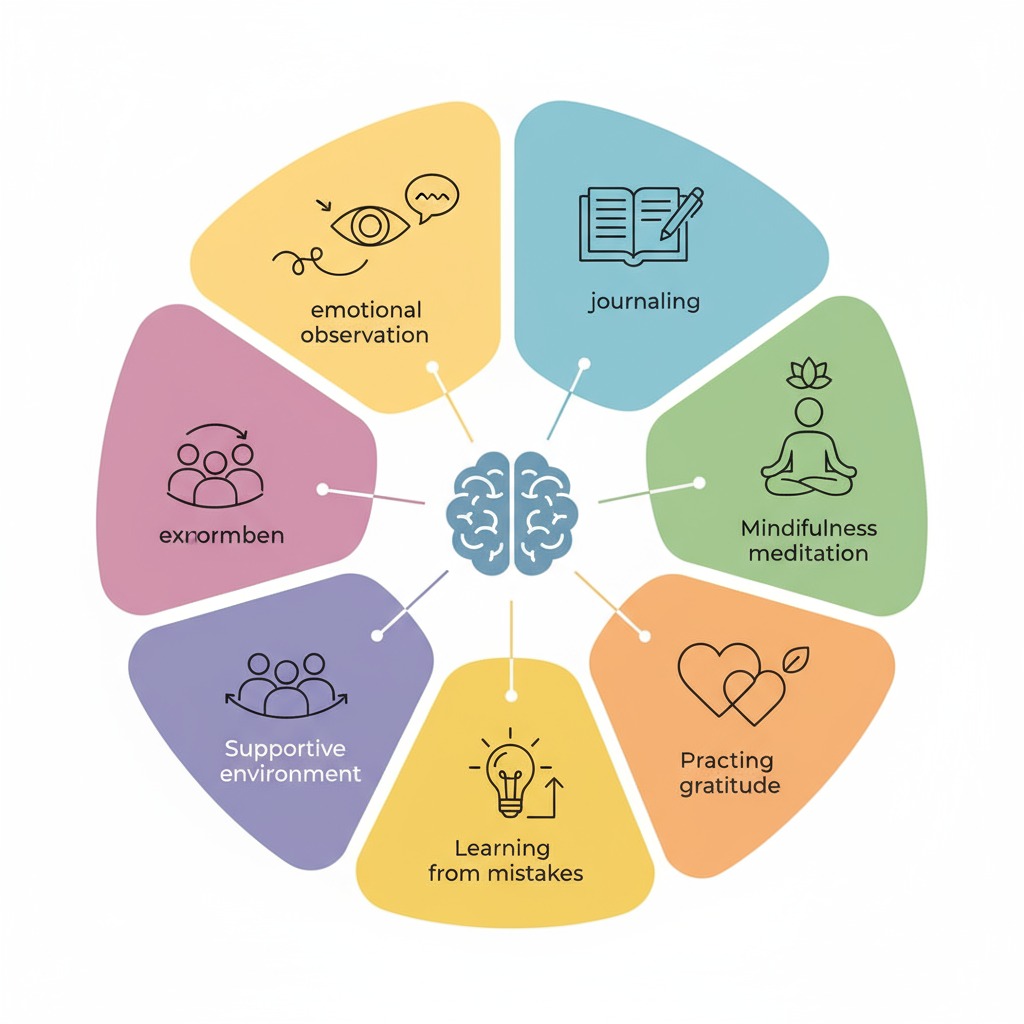
Building emotional maturity requires consistent self-work and patience. It’s not something that develops overnight—it’s cultivated through small, conscious habits that promote emotional intelligence and resilience. One of the most effective ways to begin this journey is through journaling. Writing about daily experiences, emotions, and reactions helps you recognize patterns in your behavior. Over time, journaling becomes a self-awareness tool that highlights emotional triggers and teaches you how to respond differently in similar situations.
Another vital practice is emotional observation. Instead of reacting instantly to stress or discomfort, emotionally mature people pause to understand what they’re feeling and why. This habit of self-observation trains the brain to respond instead of react. Techniques like mindfulness meditation or deep breathing can help you stay centered, even during challenging moments. Scientific studies have shown that mindfulness increases the brain’s ability to regulate emotions, reducing anxiety and impulsive behavior.
Learning from mistakes is also essential to building emotional maturity. Rather than dwelling on regret, emotionally balanced individuals view setbacks as opportunities for learning. They ask themselves, “What did this experience teach me?” This mindset turns failures into valuable lessons that strengthen confidence and resilience. Self-compassion plays a key role here—treating oneself with understanding instead of harsh criticism fosters a healthy emotional environment for growth.
Building emotional maturity also develops through empathy and gratitude. Practicing gratitude daily shifts focus from problems to blessings, which improves emotional stability and optimism. Similarly, showing empathy toward others enhances relationship growth and builds deeper connections. These practices encourage patience, kindness, and open communication—key ingredients for both emotional and relational health.
Surrounding yourself with emotionally stable and growth-minded individuals also nurtures maturity. Our emotional environment greatly influences our reactions and beliefs. Spending time with supportive, calm, and understanding people helps reinforce positive emotional habits. Likewise, seeking professional guidance—like therapy, counseling, or workshops on emotional intelligence—can accelerate personal development.
Ultimately, building emotional maturity is a daily exercise in awareness, reflection, and self-discipline. Each small practice strengthens your ability to handle life with clarity and calmness. Over time, these consistent efforts create emotional stability that supports stronger decisions, balanced relationships, and lasting inner peace.
7. Conclusion – The Lifelong Journey of Emotional Growth
Building emotional maturity is not a final goal but an evolving process of emotional awareness, understanding, and growth. Life constantly presents challenges that test our patience, resilience, and empathy, and each of these moments becomes an opportunity to strengthen our emotional foundation. The lessons learned through self-awareness, self-acceptance, responsibility, empathy, mindful communication, boundaries, and patience form the pillars of emotional intelligence that guide us toward balance and wisdom.
True building emotional maturity doesn’t mean suppressing emotions—it means managing them intelligently. Emotionally mature people understand that feelings like anger, fear, or sadness are natural and temporary. Instead of being controlled by them, they use these emotions as information to make better choices. This balance between emotion and reason cultivates inner harmony, leading to better mental wellness and stronger relationships. As individuals grow emotionally, they begin to view challenges not as threats but as opportunities for self-improvement and learning.
In relationships, building emotional maturity creates deeper understanding and compassion. Mature individuals communicate openly, respect differences, and resolve conflicts without blame or hostility. They recognize that love and connection require patience, effort, and emotional responsibility. In professional settings, emotional maturity strengthens leadership, teamwork, and problem-solving abilities, fostering a culture of trust and respect.
The journey of building emotional maturity is lifelong because personal growth never truly ends. Each experience adds a new layer of insight, helping us respond to life with greater awareness and empathy. With time, emotional maturity becomes the guiding force that keeps us calm in chaos, kind in conflict, and confident in uncertainty. It transforms how we view ourselves and others—bringing peace, purpose, and emotional freedom.
By embracing this journey, we move closer to becoming emotionally intelligent beings—capable of love without fear, strength without aggression, and success without ego. Building emotional maturity, therefore, is not just about handling emotions—it’s about mastering life through balance, self-awareness, and heartfelt understanding. It is the true foundation of emotional wellness, relationship growth, and inner fulfillment that defines a meaningful, harmonious life.