

Table of Contents
1. Introduction – Understanding the Power of Self-Compassion
Self compassion practices are powerful tools for emotional wellness, self-acceptance, and mental resilience. They encourage you to treat yourself with the same warmth, understanding, and forgiveness you naturally offer to others. In today’s demanding world, where people constantly compare achievements and chase perfection, it’s easy to become self-critical and emotionally drained. Practicing compassion toward yourself helps you break free from this cycle of harsh judgment, creating space for peace, balance, and authentic self-worth.
Through self compassion practices, you begin to shift your relationship with yourself. Instead of viewing mistakes as failures, you learn to see them as opportunities for growth and learning. This mindset reduces guilt, anxiety, and burnout while nurturing emotional balance. It helps you respond to setbacks with patience instead of frustration and develop a deeper sense of trust in your own process. Emotional stability begins to replace self-doubt, and inner peace grows naturally when you stop treating yourself as an enemy.
In the modern world, the constant pressure to succeed and present a perfect life through social media often fuels self-criticism. Many people measure their worth through achievements or validation from others, leading to exhaustion and emotional insecurity. Self compassion practices counter this by teaching you to value yourself for who you are, not just what you do. This inner kindness reduces stress hormones, increases feelings of safety, and allows your mind to rest in acceptance instead of resistance.
Moreover, self-compassion lays the foundation for emotional maturity. It helps you remain kind to yourself during failure, calm during uncertainty, and hopeful during emotional pain. When practiced regularly, it transforms the inner critic into a supportive inner coach. You begin to live with greater emotional clarity, patience, and resilience, leading to genuine happiness that comes from self-connection rather than external validation.
2. What Does Self-Compassion Really Mean?
Self compassion practices mean embracing your humanity with kindness. It’s the ability to acknowledge pain, mistakes, or flaws without turning them into reasons for self-blame. At its core, self-compassion is an emotional skill that balances acceptance and growth—it allows you to be gentle with yourself while still being accountable for your actions. It reminds you that imperfection is not weakness; it’s part of being human.
Practicing self-compassion involves three main components: self-kindness, common humanity, and mindfulness. Self-kindness means speaking to yourself with warmth and care rather than criticism. Common humanity helps you understand that everyone struggles; you are not alone in your pain or failure. Mindfulness keeps you present with your emotions—allowing you to notice them without exaggeration or avoidance. These elements work together to create emotional stability and self-trust.
Many people mistakenly believe that being compassionate toward oneself leads to laziness or excuses, but research shows the opposite. People who practice self-compassion are more motivated to improve because they are not weighed down by shame or fear of failure. They approach growth with curiosity instead of self-punishment, making progress more consistent and sustainable.
Self compassion practices also reframe how you view personal challenges. Instead of thinking, “I’m not good enough,” you start thinking, “I’m doing my best, and I can keep improving.” This shift in self-talk reduces stress, enhances emotional well-being, and promotes confidence. It strengthens your sense of inner safety, which is crucial for long-term happiness and self-development. Over time, self-compassion becomes not just a practice but a way of life—a balanced, grounded approach to personal growth and emotional freedom.
3. The Psychology of Kindness to Self
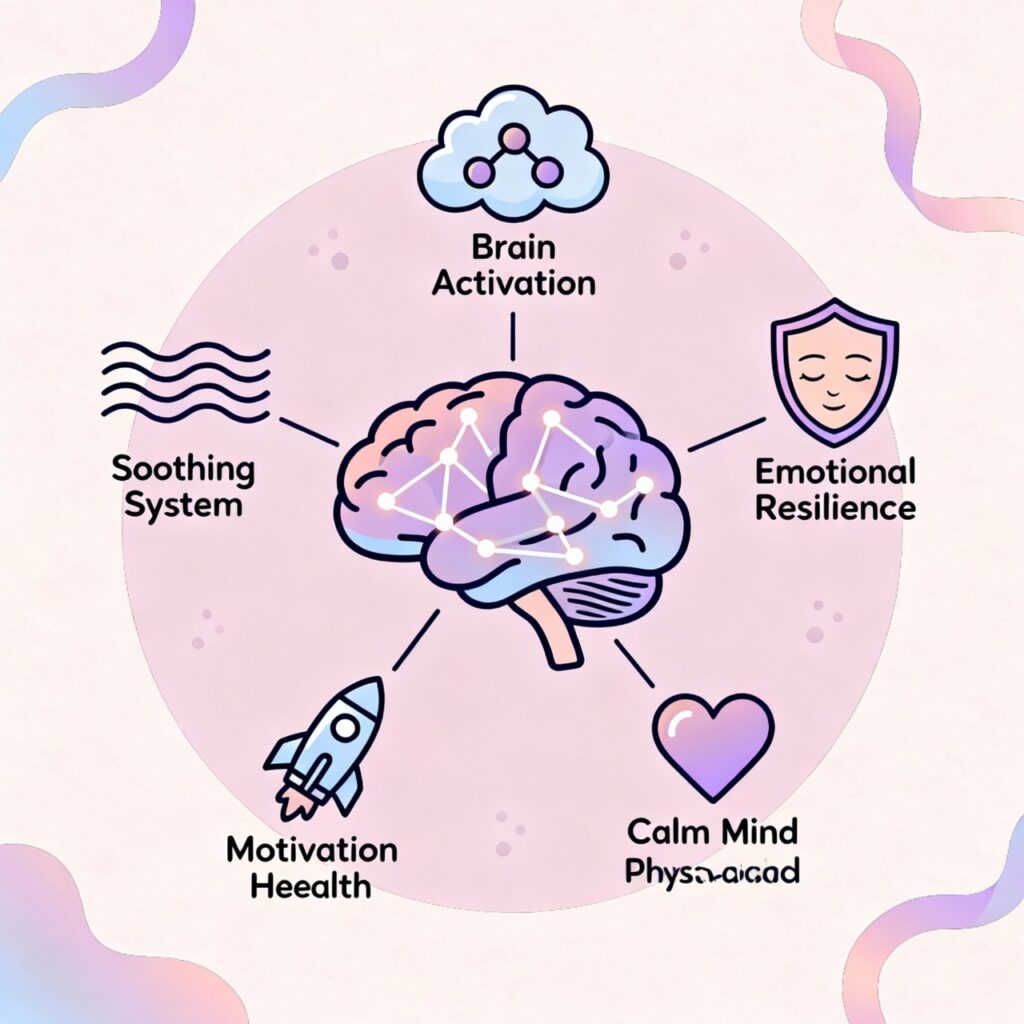
Self compassion practices have a solid psychological and biological foundation. Studies by Dr. Kristin Neff and Dr. Paul Gilbert reveal that compassion activates the brain’s “soothing system,” which counteracts the body’s stress response. When you are kind to yourself, your brain releases oxytocin and endorphins—neurochemicals linked to safety, love, and relaxation. These chemicals lower cortisol levels, reducing anxiety, fear, and emotional exhaustion.
Psychologically, being kind to yourself builds emotional resilience. When people treat themselves with understanding instead of criticism, they recover faster from failure and disappointment. Self-compassion strengthens problem-solving abilities by keeping the mind calm and focused, even under pressure. It helps you stay grounded when faced with rejection, criticism, or loss, allowing you to respond rationally instead of emotionally.
Self compassion practices also influence how you process mistakes. Instead of associating errors with personal inadequacy, you begin viewing them as natural parts of the learning process. This mindset promotes emotional flexibility, which is essential for growth. Over time, this rewires the brain to favor positive self-talk and reduces overactive fear-based thinking.
Moreover, self-compassion enhances motivation. When you forgive yourself, you remove the emotional weight of guilt and open the door to improvement. Research shows that self-compassionate people set higher goals and are more persistent in achieving them because they are not paralyzed by failure. They are also more empathetic toward others because they understand the value of emotional safety.
Kindness to self not only affects your mind but also your physical health. It can lower blood pressure, improve sleep quality, and strengthen the immune system. By cultivating emotional gentleness, you create a healthier connection between the mind and body, making self-compassion one of the most powerful emotional habits for overall well-being.
4. The Connection Between Self-Compassion and Personal Growth Habits
Self compassion practices and personal growth habits are deeply intertwined. True growth doesn’t come from perfection or punishment—it comes from understanding, reflection, and consistency. When you treat yourself with compassion, you create an environment that encourages experimentation, creativity, and self-improvement. You stop fearing mistakes and start learning from them. This shift helps you maintain motivation even when progress is slow or uncertain.
Self-compassion makes personal growth sustainable. When you pursue goals from a place of love instead of fear, your efforts become more focused and enjoyable. You learn to appreciate small victories and stay committed through challenges. This mindset fosters emotional stability and prevents burnout. By being patient with your growth, you allow real transformation to occur—gradually, naturally, and meaningfully.
Self compassion practices also enhance self-awareness. When you regularly reflect on your emotions without judgment, you gain a clearer understanding of your needs, strengths, and limitations. This self-knowledge helps you make better decisions, manage time wisely, and build healthier relationships. Compassionate self-reflection transforms setbacks into opportunities for wisdom and emotional maturity.
Furthermore, self-compassion extends beyond the self. When you practice kindness toward yourself, it naturally flows outward. You become more empathetic, tolerant, and understanding toward others. Your communication improves, conflicts reduce, and relationships grow stronger because you learn to connect from authenticity instead of defensiveness.
Ultimately, self compassion practices are not about self-indulgence—they are about self-evolution. They form the emotional foundation for every meaningful habit, from mindfulness and discipline to emotional intelligence and resilience. Through consistent self-kindness, you build not only personal growth but also the emotional strength to live with purpose, calmness, and joy.
5. 10 Daily Rituals for Self-Compassion Practices
Self compassion practices become truly effective when they are integrated into daily life. Developing self-kindness doesn’t require major changes or long routines—it grows through consistent, small actions that help you stay mindful, patient, and gentle with yourself. When practiced regularly, these simple habits slowly reshape your inner dialogue, reduce emotional pressure, and nurture long-term well-being. Below are ten daily rituals that can help you build a life grounded in compassion, emotional balance, and personal growth.
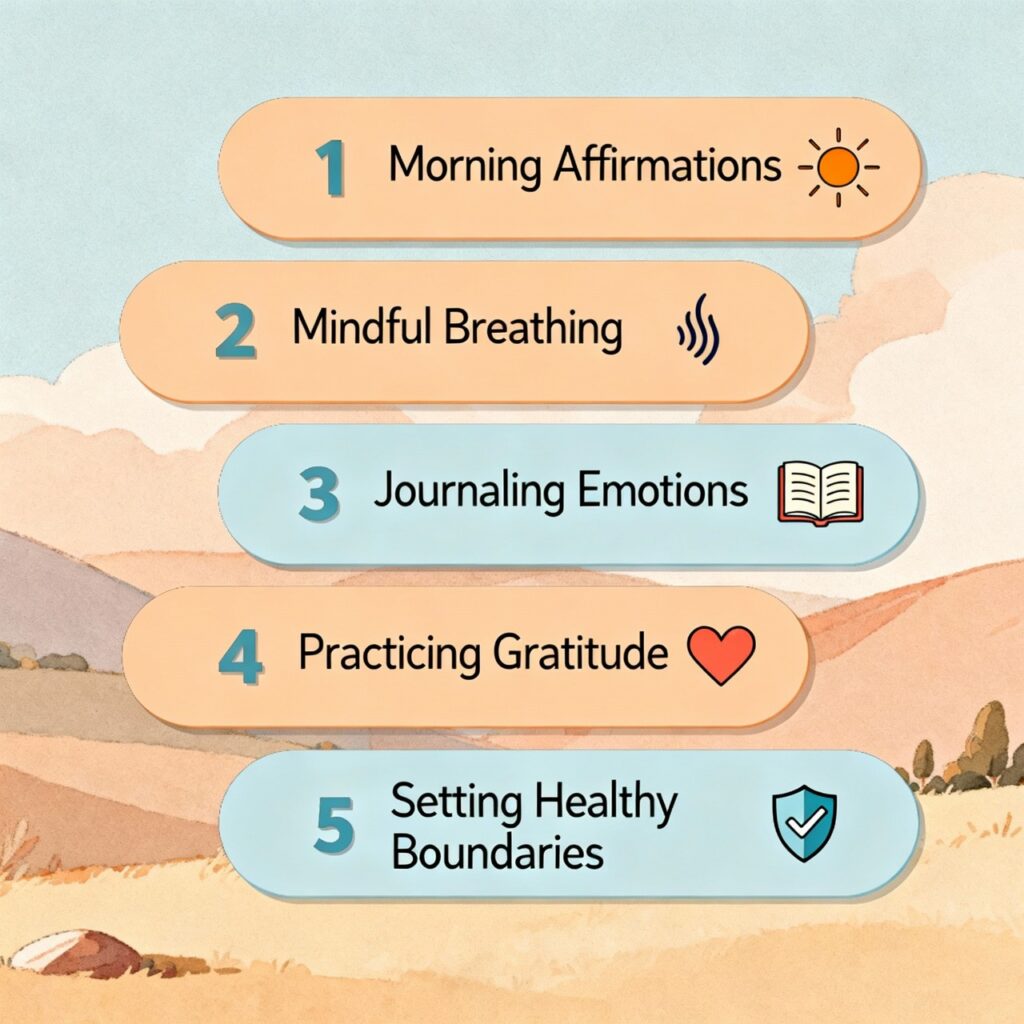
1. Morning Affirmations
Self compassion practices begin beautifully with mindful morning affirmations. The words you speak to yourself at the start of the day set the tone for how you’ll think, feel, and act. Instead of rushing into stress or negative self-talk, take a few minutes to affirm positivity and self-acceptance. Say things like, “I am doing my best,” or “I am worthy of love and peace.” These affirmations help train your mind to focus on growth rather than perfection. Over time, this daily ritual replaces self-criticism with self-encouragement, rewiring your thoughts toward emotional strength and confidence.
Affirmations also shape your emotional energy for the day. When you intentionally plant positive beliefs in your mind, you’re less likely to be shaken by external stress or self-doubt. This ritual becomes a mental anchor, reminding you that your worth isn’t defined by productivity or performance but by your presence and effort.
2. Mindful Breathing
Self compassion practices thrive when paired with mindful breathing. Throughout the day, take slow, deep breaths to reconnect with the present moment. Conscious breathing helps calm the nervous system, reduce tension, and bring awareness back to your body. It’s a reminder that peace is not something you find outside—it’s something you create within.
When emotions feel overwhelming, pause and take five deep breaths, noticing each inhale and exhale without judgment. This small act of mindfulness helps you observe your thoughts without reacting impulsively. With regular practice, mindful breathing becomes a powerful way to interrupt cycles of stress and self-criticism, replacing them with calm and clarity.
3. Journaling Emotions
Writing is one of the most powerful self compassion practices for emotional release. Journaling allows you to express thoughts and feelings that might otherwise remain buried. When you put emotions into words, they lose their intensity and gain meaning. This process helps you understand your inner experiences instead of being controlled by them.
Try writing freely about what you’re feeling each day—without censoring or judging yourself. Over time, you’ll start noticing emotional patterns and triggers, allowing you to respond more mindfully. Journaling is not just about recording your day—it’s about creating space for healing, reflection, and self-awareness. It helps transform confusion into clarity and pain into understanding, supporting long-term emotional balance.
4. Practicing Gratitude
Gratitude is a core part of self compassion practices because it shifts your attention from what’s missing to what’s already good. When you take time to appreciate small blessings, you train your mind to see abundance instead of lack. Each morning or evening, write down three things you’re grateful for—these could be simple things like a good meal, a kind message, or a peaceful moment.
Regular gratitude practice increases optimism and emotional stability. It helps soften self-criticism by reminding you that life is more than your mistakes or shortcomings. When you focus on what’s working, you cultivate patience, perspective, and inner calm, creating a healthier emotional environment for growth.
5. Setting Healthy Boundaries
Self compassion practices must include the art of saying no. Boundaries are acts of kindness to yourself—they protect your energy, time, and peace of mind. Saying yes to everything often leads to exhaustion and resentment. Learning to set limits doesn’t make you selfish; it means you value your emotional health.
Start by identifying what drains you and what nourishes you. Learn to decline commitments that feel overwhelming or unnecessary. Communicate your limits clearly and respectfully. Healthy boundaries teach others how to treat you, and more importantly, they remind you to treat yourself with respect and care. When your boundaries are clear, your energy stays focused on what truly matters.
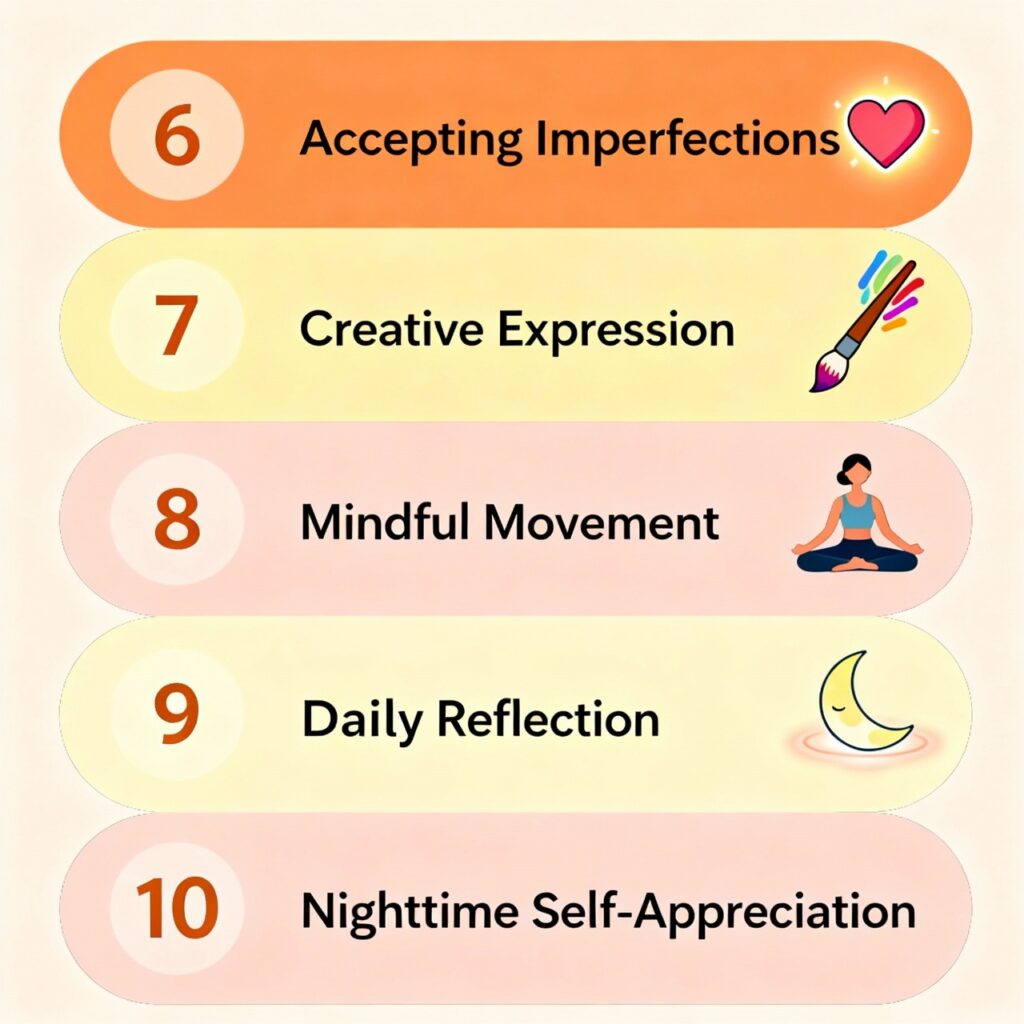
6. Accepting Imperfections
Self compassion practices flourish when you allow yourself to be imperfect. Perfectionism creates constant pressure and makes emotional peace impossible. Remind yourself that flaws don’t make you unworthy—they make you human. Accepting imperfections means embracing both your strengths and weaknesses with understanding.
Each time you make a mistake, pause and say, “It’s okay to be imperfect; I’m still learning.” This acceptance fosters growth because it removes the fear of failure. Instead of wasting energy on shame, you can use it to reflect, learn, and evolve. Accepting imperfections also helps build resilience—you stop expecting life to be flawless and start finding beauty in authenticity.
7. Creative Expression
Creativity is one of the most natural forms of healing within self compassion practices. Whether it’s art, music, writing, gardening, or cooking, creative activities help you express emotions that words sometimes can’t. They connect you with your inner self and transform emotional pain into something meaningful.
Creative expression also promotes mindfulness. When you create, you lose track of time and become immersed in the present moment. It’s not about talent or results—it’s about feeling, exploring, and releasing. By giving yourself permission to express freely, you nurture emotional freedom and self-acceptance.
8. Mindful Movement
Movement can be an act of compassion toward your body. Self compassion practices include gentle physical activities that connect mind and body—like yoga, walking, stretching, or dancing. Mindful movement helps release stored emotions and reduce stress, bringing you into harmony with yourself.
Instead of exercising from guilt or pressure, move with gratitude for what your body can do. Listen to how it feels, respond with care, and rest when needed. This practice strengthens self-awareness and promotes self-respect. When you move mindfully, you learn to appreciate your body not for how it looks, but for how it supports you every day.
9. Daily Reflection
Reflection is a quiet yet transformative part of self compassion practices. At the end of the day, spend a few moments reviewing your thoughts and actions with understanding instead of criticism. Ask yourself gentle questions like, “What did I learn today?” or “How did I take care of myself?”
This ritual helps you see progress rather than perfection. It encourages forgiveness for what didn’t go as planned and appreciation for what did. Regular reflection promotes emotional growth by turning daily experiences into lessons rather than regrets. It’s a reminder that each day is a step forward, no matter how small.
10. Nighttime Self-Appreciation
Ending your day with gratitude for yourself is one of the most nurturing self compassion practices. Before sleeping, take a moment to acknowledge your efforts, no matter how ordinary they seem. Say to yourself, “I did my best today,” or “I’m proud of how I handled things.” These simple words help your mind release tension and settle into peace.
Nighttime self-appreciation creates emotional closure and prepares you for restful sleep. It helps you end the day on a note of acceptance rather than worry. Over time, this habit builds inner security and self-trust—you begin to see yourself as worthy of love, care, and rest just as you are.
6. Overcoming Common Barriers to Self-Compassion
Self compassion practices may sound simple in concept, but many people find them hard to apply in daily life. Emotional resistance, guilt, perfectionism, and the habit of comparison are some of the biggest barriers. People often grow up believing that being self-critical helps them improve, or that self-kindness shows weakness. In reality, compassion strengthens motivation because it replaces fear and shame with hope and understanding.
One of the most common barriers is guilt. Many feel undeserving of kindness, especially when they make mistakes or fall short of expectations. This mindset comes from believing that love and acceptance must be earned. Self compassion practices teach the opposite—it’s about being kind because you are human, not when you are perfect. When you treat yourself gently, you create a supportive environment for real growth and self-improvement.
Perfectionism is another major obstacle. The constant push to be flawless leads to frustration and burnout. Instead of aiming for perfection, aim for progress. Accept that mistakes are part of learning and that no one’s journey is smooth. When you embrace imperfection, you build resilience and patience—qualities that make growth sustainable.
Comparison also blocks compassion. Measuring your worth against others only fuels insecurity. Everyone’s path is unique, shaped by different experiences, strengths, and struggles. Self compassion practices remind you to stay focused on your personal journey. Celebrate small wins and appreciate how far you’ve come. Growth is not a race; it’s a process of becoming your best self.
Finally, remember that compassion does not mean ignoring accountability. It means holding yourself responsible with kindness. Instead of harsh self-criticism like “I failed again,” say, “I tried my best, and I can do better next time.” This kind of self-talk encourages persistence rather than shame. When you approach growth with empathy, you transform barriers into stepping stones for emotional maturity and confidence.
7. The Role of Mindfulness in Strengthening Self-Compassion
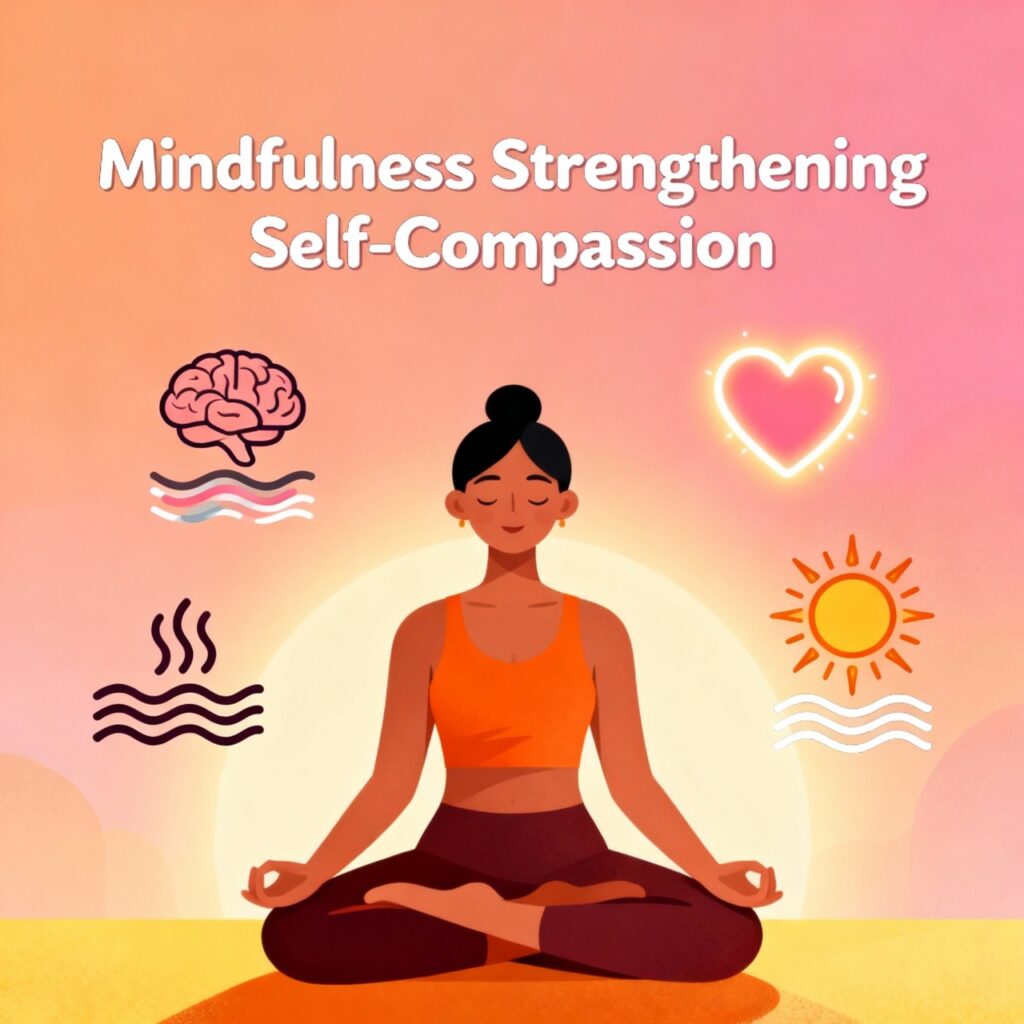
Self compassion practices become deeper and more effective when supported by mindfulness. Mindfulness is the art of being aware of your thoughts and emotions without reacting or judging them. It teaches you to witness your inner experiences with curiosity and acceptance. When you practice mindfulness, you stop avoiding pain and instead face it gently, allowing healing to begin.
Through mindfulness, you learn that emotions are temporary states, not permanent truths. Feelings like sadness, anger, or guilt no longer define you—they simply pass through you. This awareness allows you to respond thoughtfully instead of reacting impulsively. For instance, when you feel anxious, mindfulness helps you breathe, pause, and respond with calm instead of panic.
Mindful self compassion practices include deep breathing, meditation, or even mindful walking. These activities quiet the mind and anchor your attention in the present moment. As you develop mindfulness, you notice self-critical thoughts arise and fade without letting them control your mood or self-image. Over time, this breaks the habit of negative self-talk and replaces it with inner kindness.
Mindfulness also strengthens emotional balance. When you’re aware of your feelings as they happen, you can manage them with clarity. You begin to notice when you’re being too harsh on yourself and consciously shift toward compassion. This awareness helps transform emotional struggles into lessons about patience, understanding, and acceptance.
Ultimately, mindfulness gives you the mental space to nurture compassion naturally. It’s the foundation that allows self-kindness to grow even during stress or failure. The more mindful you become, the more capable you are of meeting yourself with care instead of criticism—making mindfulness a key pillar of lasting self-compassion.
8. Emotional Benefits of Practicing Self-Compassion Daily
Self compassion practices, when performed consistently, have powerful emotional and psychological benefits. Treating yourself with understanding and care helps regulate emotions, reduce anxiety, and improve mental resilience. When you stop fighting against yourself, your mind relaxes, your nervous system calms, and your sense of balance returns.
Daily self compassion practices nurtures emotional stability. Instead of reacting from fear, shame, or frustration, you begin to act from acceptance and clarity. This calm emotional state helps you handle stress more effectively and recover faster from challenges. It builds a stronger connection between your thoughts and emotions, allowing you to process feelings in healthy ways.
Another important benefit is improved self-esteem. Self compassion practices help you see your worth beyond achievements or external approval. When you treat yourself kindly, your confidence grows from within. You stop seeking validation from others because you already trust your own value. This inner security makes you more peaceful and self-assured.
Compassion toward yourself also strengthens relationships. People who are kind to themselves naturally extend that kindness to others. They listen more attentively, forgive more easily, and express empathy without judgment. When you understand your own emotions, you become more patient with others’ feelings too.
Finally, daily self compassion practices increases resilience. Life’s challenges don’t disappear, but your ability to face them improves. You begin to view difficulties as opportunities for growth instead of personal failures. Emotional strength becomes a natural outcome of treating yourself gently yet firmly.
Over time, these emotional benefits create a deep sense of inner peace and fulfillment. You learn that true happiness isn’t found in perfection but in self-acceptance. By practicing self-compassion daily, you build a lasting foundation for emotional health, personal growth, and a more meaningful connection with yourself and others.
9. Practical Tips to Maintain Self-Compassion Consistency
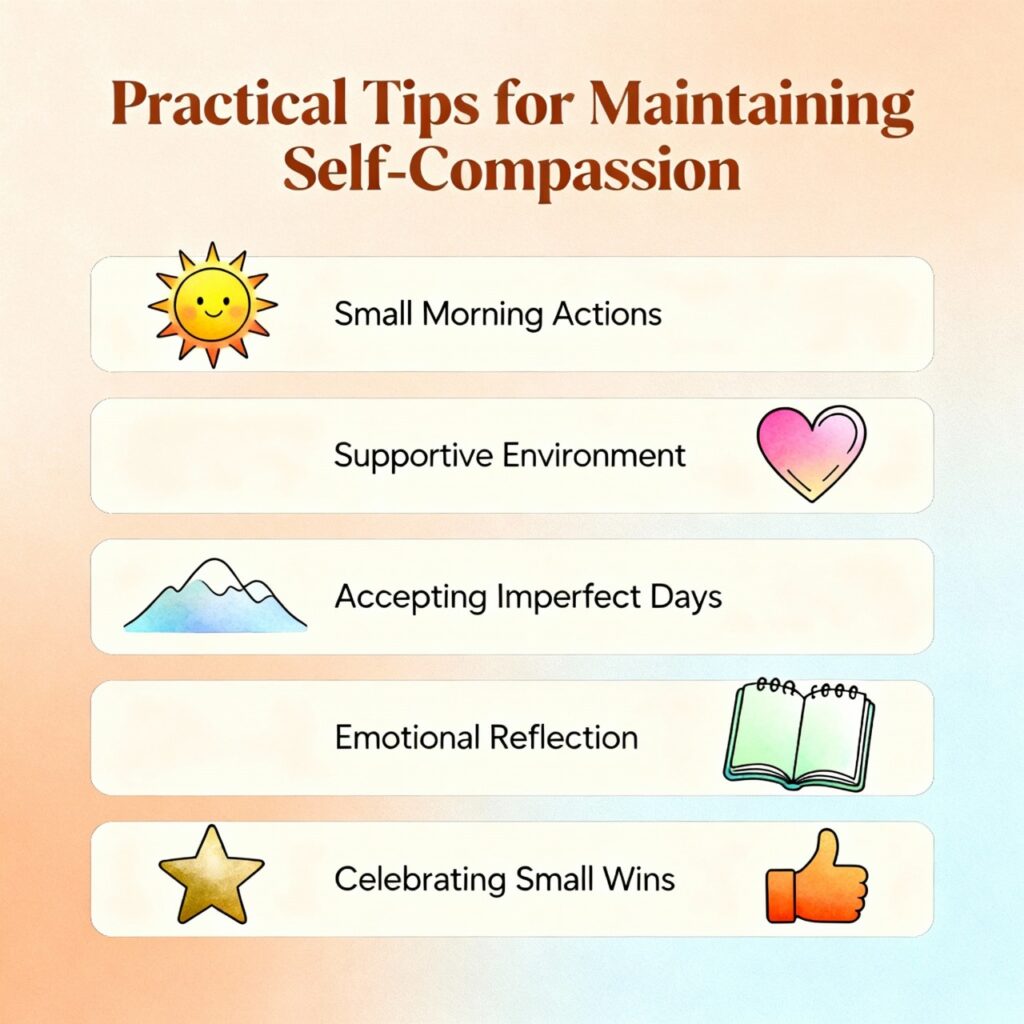
Self compassion practices become powerful when you start small and stay consistent. Begin your day with one gentle action like deep breathing or saying a comforting sentence to yourself. These small morning rituals train your mind to return to kindness naturally. Even placing a sticky note on your desk that reminds you to pause can slowly reshape your emotional habits.
Self compassion practices work best when you build a supportive space around you. Connect with people who value emotional health and speak kindly. Positive company protects your energy and helps you stay grounded. In the middle of your day, remind yourself to slow down, drink water, or stretch your body. These tiny acts signal care and strengthen inner balance.
Self compassion practices also grow through acceptance of your imperfect days. Some days you may forget to be kind to yourself and fall into old patterns of self-criticism. On those days, gently remind yourself that starting again is part of the journey. In the middle of struggles, speak softly to yourself instead of harshly. Progress happens one patient step at a time.
Self compassion practices feel stronger when you reflect on your emotions. Spend a few quiet minutes at night writing what you felt today and how you responded. Notice moments you were kind or moments you reacted emotionally. In the middle of reflection, gently add one thought like “I am learning every day.” This builds understanding and emotional awareness.
Self compassion practices get rooted deeply when you celebrate small wins. Whenever you show patience, set a boundary, or calm your inner voice, acknowledge it. These small victories matter. In the middle of your journey, remember each step counts. With time, compassion becomes your natural emotional habit and your inner world grows calmer and stronger.
10. Conclusion – Living a Life Rooted in Kindness and Growth
Self compassion practices help you build a peaceful and stable inner life. When you speak gently to yourself, you stop living in fear of mistakes or judgment. You start trusting yourself more each day. In the middle of stressful situations, these self compassion practices remind you to breathe, pause, and respond with calm instead of panic. This creates emotional safety inside you, which becomes your biggest strength.
Self compassion practices also make your personal growth more natural and consistent. Growth does not feel like a battle anymore, but a journey where you learn step by step. You do not rush success or punish yourself for slow progress. In the middle of tough phases, these self compassion practices give you patience and hope, so you continue trying instead of giving up. You start valuing progress over perfection.
Self compassion practices improve your connection with others too. When you treat yourself with kindness, you naturally treat others the same way. You become more understanding and less reactive. People feel safe around you and trust you more. In the middle of emotional conversations or misunderstandings, self compassion practices help you stay balanced, listen better, and respond with maturity instead of anger.
Self compassion practices free you from negative self talk and self comparison. You stop measuring your value by achievements, followers, grades, or money. Your worth comes from who you are, not what you achieve. In the middle of challenges or failures, these self compassion practices pull you back to strength and remind you that one difficult moment does not define your whole life. You learn to rise again without breaking inside.
Self compassion practices finally help you live a meaningful life driven by peace, courage, and emotional strength. You build habits that support mental wellness, not drain it. You grow spiritually and emotionally with time. In the middle of every journey, whether you are winning or learning, these self compassion practices keep you grounded, resilient, and hopeful. With kindness as your foundation, you build a life where you feel safe, capable, and truly proud of who you are becoming.
Self compassion practices also help you create a long term positive mindset. Instead of chasing quick happiness or getting discouraged by temporary setbacks, you build emotional maturity that lasts through every phase of life. In the middle of pressure, failure, or rejection, these self compassion practices remind you to rest, recharge, and rise again stronger. You learn to support yourself the way a true friend would, and that inner support becomes your biggest superpower in life.