
Table of Contents
1. Introduction: What Brain Fog Really Means for Mental Health
Brain Fog Remedies begin with understanding what brain fog truly means for mental health and daily functioning. Brain fog is not a medical disease, but it is a real mental experience that affects clarity, focus, memory, and emotional balance. Many people experience brain fog during periods of stress, poor sleep, emotional overload, unhealthy routines, or prolonged mental pressure. When brain fog is present, thoughts feel cloudy, concentration feels weak, and the mind struggles to stay sharp. Even simple mental tasks can feel unusually tiring, making the day feel heavier than it should.
Brain fog often creates a sense of mental disconnection. A person may feel physically present but mentally distant, as if the mind is running at reduced capacity. Thinking becomes slower, information takes longer to process, and mental confidence starts to decline. People often describe this state as feeling mentally tired even after resting, which can be confusing and frustrating. The brain is working, but not smoothly, making it feel like effort does not match results. Over time, this mental strain can affect motivation, productivity, and self-trust.
Mental clarity is essential for daily life because it supports clear thinking, decision making, emotional regulation, and focus. When the mind is clear, tasks feel manageable, communication improves, and emotions feel more stable. Mental clarity allows people to stay organized, respond calmly to challenges, and maintain confidence in their abilities. Without clarity, even small responsibilities can feel overwhelming, productivity drops, stress increases, and emotional reactions become harder to manage.
Brain fog does not only affect thinking. It impacts overall well being, including emotional health, physical energy, and daily motivation. When the mind feels foggy, people often feel frustrated, anxious, emotionally drained, or disconnected from themselves. Physical symptoms such as low energy, heaviness in the head, or constant tiredness may also appear. These experiences are signals that the brain is overwhelmed and needs balance and recovery rather than pressure.
Brain Fog Remedies focus on restoring mental balance instead of forcing performance. When clarity improves, emotional stability strengthens, energy levels rise, and daily functioning becomes smoother. Understanding brain fog as a mental signal rather than a personal weakness is the first step toward lasting mental clarity and emotional well being.
Brain fog can also be understood as a disruption in how the brain prioritizes and processes information. When mental energy is drained, the brain shifts into a low-efficiency mode, focusing only on basic functioning rather than clarity or creativity. This is why even simple decisions can feel heavy and mentally exhausting during brain fog. Instead of pushing harder, the most effective brain fog remedies focus on restoring balance and reducing internal pressure.
2. Brain Fog Symptoms: Common Signs You Should Not Ignore
Brain Fog Remedies become essential when symptoms begin to interfere with daily routines, work quality, emotional balance, and overall mental confidence. Brain fog often starts subtly, making it easy to dismiss as normal tiredness or temporary stress. However, when these symptoms continue for days or weeks, they signal that the brain is under ongoing strain. Ignoring these signs can allow mental fatigue to deepen, slowly affecting both performance and well being.
One of the earliest and most noticeable symptoms of brain fog is difficulty with memory and concentration. People may struggle to remember names, instructions, or recent conversations. Focus becomes unstable, and attention drifts easily, even during important tasks. Reading or learning new information may require repeated effort, and multitasking feels nearly impossible. This constant mental slipping creates frustration and reduces trust in one’s cognitive abilities.
Mental fatigue is another strong indicator of brain fog. Even after proper sleep, the mind may still feel tired, heavy, or slow. Thinking requires more effort than usual, and decision making becomes draining. Simple choices feel overwhelming, and mental processing lacks its usual speed and clarity. Over time, this persistent fatigue reduces productivity and increases mental resistance toward daily responsibilities.
Brain fog remedies also affects emotional regulation. People experiencing brain fog often feel irritable, emotionally sensitive, or low in motivation. Small challenges may trigger strong emotional reactions, and stress tolerance becomes weaker. Emotional balance feels harder to maintain because the brain is already overwhelmed. This emotional strain further drains mental energy, creating a cycle of exhaustion and frustration.
Physical sensations often accompany brain fog as well. Headaches, low energy, a sense of pressure in the head, or feeling mentally heavy are common experiences. Some people feel disconnected from their surroundings or struggle to stay mentally present. These physical and emotional signals show that the brain needs recovery, not more pressure. Brain Fog Remedies focus on recognizing these symptoms early and restoring balance so mental clarity, emotional stability, and daily functioning can gradually return.
Another important aspect of brain fog symptoms is emotional sensitivity. People experiencing brain fog often feel irritable, unmotivated, or emotionally flat without knowing why. Small challenges may feel overwhelming, and confidence in one’s thinking ability can decline. Ignoring these symptoms may lead to long-term mental fatigue, which is why early awareness and gentle mental clarity tips are essential for recovery.
3. Causes of Brain Fog: Lifestyle and Mental Triggers
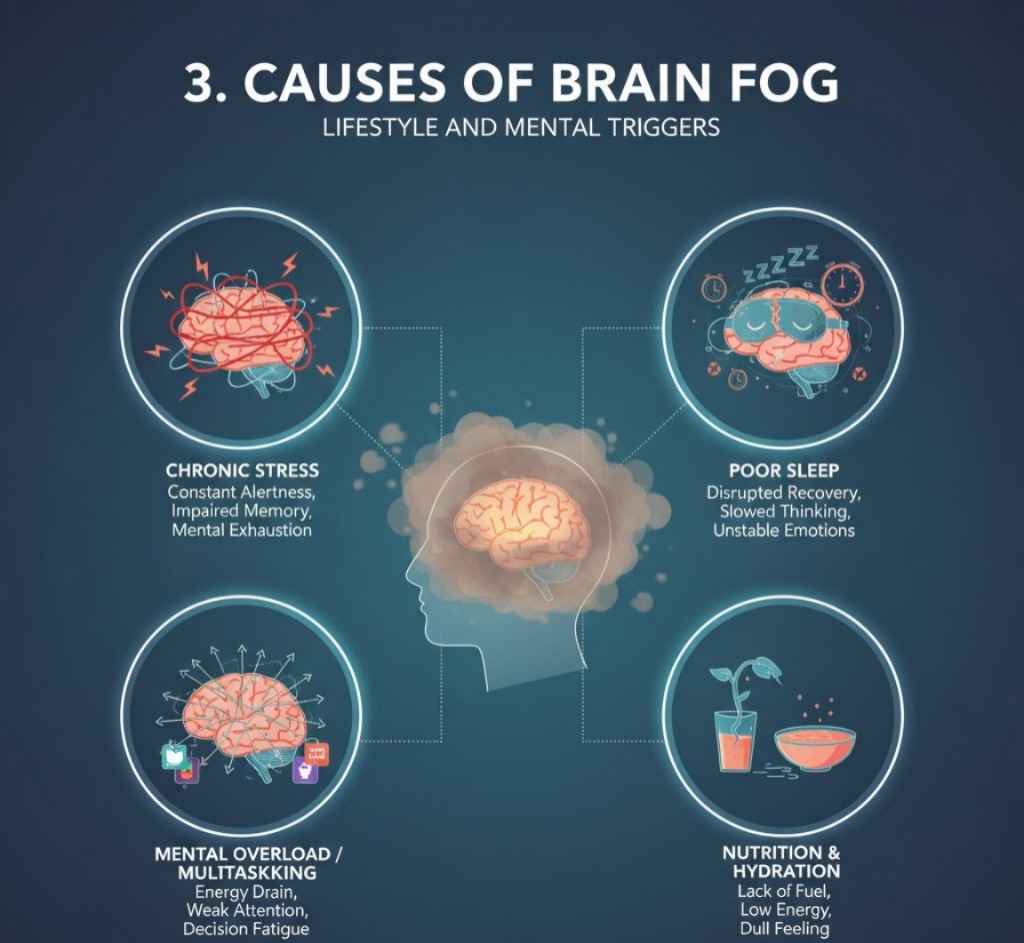
Brain Fog Remedies become truly effective only when the real causes behind mental fog are clearly understood. Brain fog does not usually appear suddenly or without reason. In most cases, it develops slowly due to everyday habits, emotional pressure, and repeated mental strain. Instead of one single trigger, brain fog often forms when many small stressors combine and overwhelm the brain’s natural ability to recover and reset.
Chronic stress is one of the most powerful contributors to brain fog. When stress continues for long periods, the brain remains in a constant state of alertness. This makes it difficult to relax, focus, or think clearly. Stress hormones interfere with memory, attention, and emotional control. Over time, the mind feels tense, crowded, and mentally exhausted, even when performing simple or familiar tasks.
Poor sleep further increases brain fog by blocking proper mental recovery. Sleep is the time when the brain repairs neural pathways, clears mental waste, and restores focus. When sleep is insufficient or irregular, this recovery process is disrupted. As a result, thinking becomes slower, concentration weakens, and emotions become more unstable. Even mild sleep loss, when repeated daily, can lead to lasting mental fog.
Mental overload caused by constant multitasking is another major trigger of brain fog. Frequently switching between tasks, messages, and responsibilities drains mental energy faster than focused work. The brain struggles to process information efficiently and loses its ability to sustain attention. Over time, this overload reduces mental endurance and increases confusion, forgetfulness, and decision fatigue.
Nutrition and hydration strongly influence brain clarity and mental energy. The brain depends on steady fuel, water, and oxygen to function properly. Poor eating habits, dehydration, or skipping meals reduce the supply of essential nutrients. This weakens brain performance and leads to low energy, difficulty concentrating, and a heavy or dull feeling in the head that worsens as the day goes on.
Modern lifestyle habits quietly intensify brain fog without being noticed. Excessive screen exposure, constant notifications, and lack of true mental breaks keep the brain overstimulated throughout the day. The mind rarely experiences silence or rest. Without enough recovery time, mental fatigue accumulates steadily. Brain Fog Remedies often focus on restoring balance by improving sleep, reducing stress, simplifying routines, and giving the brain space to recover naturally.
4. Brain Fog Remedies: 8 Simple Fixes to Restore Focus and Mental Clarity
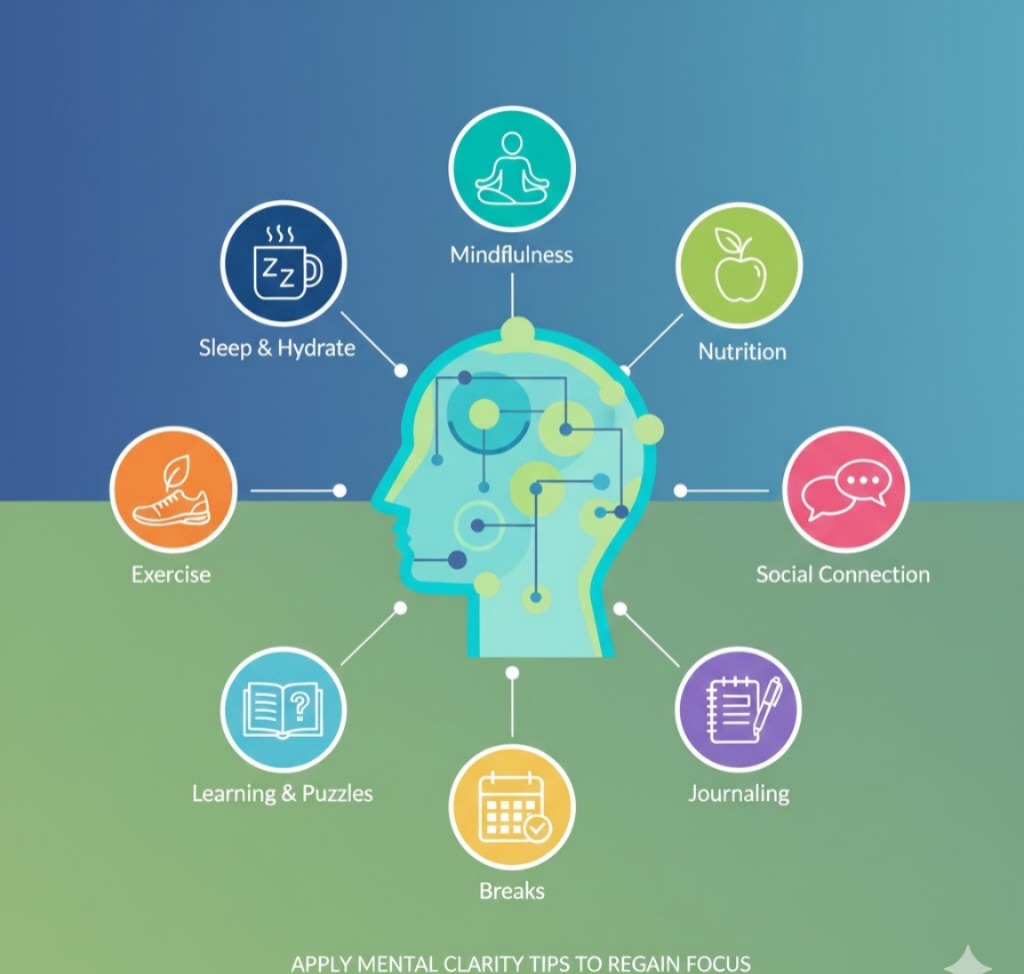
Brain Fog Remedies work best when they are practiced daily and not treated as quick solutions. Mental clarity improves through small, repeated actions that support the brain over time. These eight fixes focus on restoring balance, reducing overload, and helping the brain recover naturally. When combined, they strengthen focus, memory, and emotional stability together.
Each fix targets a different area of brain health, from sleep and nutrition to stress and self awareness. No single habit works alone. Brain clarity improves when the body and mind are supported as one system. Consistency matters more than intensity, and gentle progress leads to lasting mental strength.
Fix 1: Improving Sleep Quality for Brain Recovery
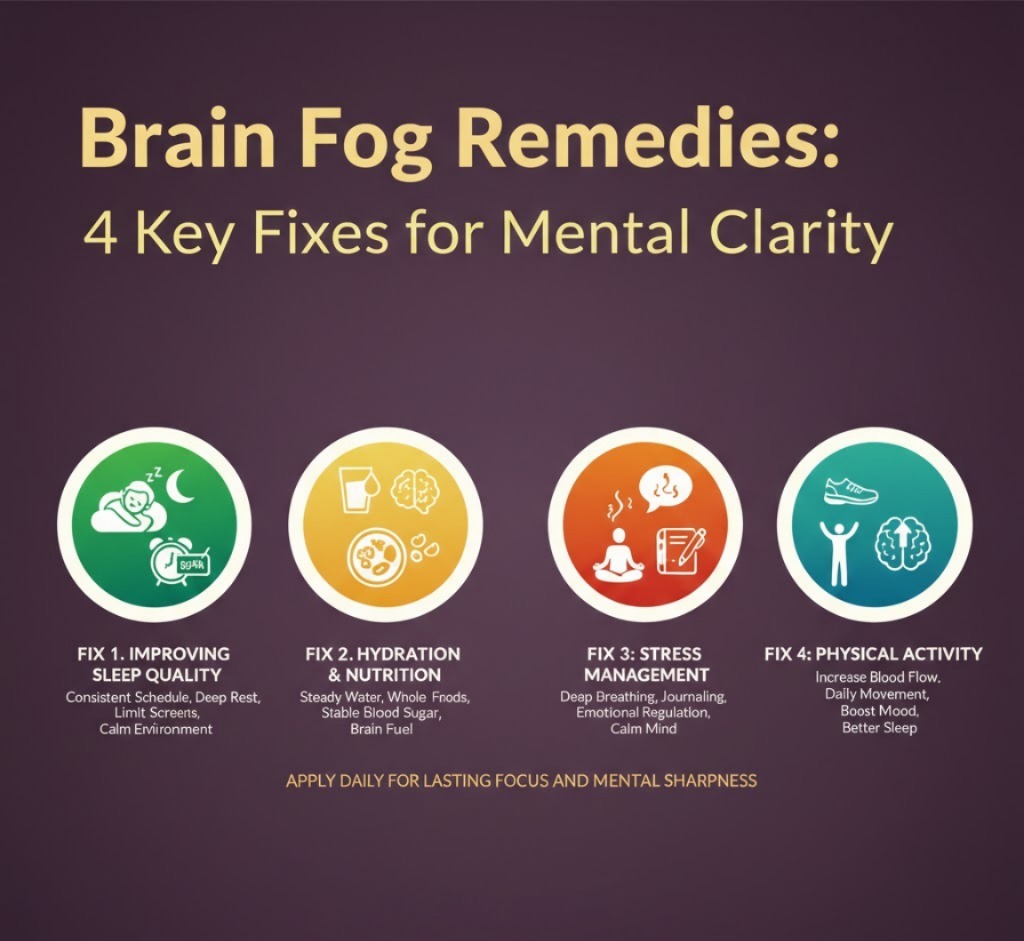
Sleep is the foundation of brain fog remedies recovery and long-term mental clarity. During deep and REM sleep, the brain removes toxic waste proteins, strengthens memory pathways, and repairs neural connections damaged by daily stress. This process allows the mind to reset and prepare for new information. Without sufficient restorative sleep, cognitive performance declines, making even simple tasks feel mentally exhausting.
Poor sleep directly worsens brain fog by disrupting attention, memory recall, and decision-making ability. Lack of quality rest increases stress hormones, which further impair focus and emotional balance. Even people who sleep for long hours may experience brain fog if their sleep cycle is inconsistent or frequently interrupted. Quality matters just as much as quantity when it comes to brain recovery.
Establishing a consistent sleep schedule trains the brain to enter deeper sleep stages more efficiently. Going to bed and waking up at the same time daily strengthens the body’s internal clock, improving alertness during the day. Limiting screen exposure before bedtime reduces blue light interference, allowing melatonin levels to rise naturally and helping the brain relax.
A calm and supportive sleep environment enhances mental recovery. Darkness signals the brain to rest, while silence reduces subconscious stress responses. A cool, comfortable room encourages uninterrupted sleep cycles. Prioritizing sleep hygiene is one of the most effective and natural brain fog remedies for restoring focus and mental sharpness.
Fix 2: Hydration and Nutrition for Cognitive Support
The brain fog remedies depends heavily on proper hydration to function efficiently. Even slight dehydration can shrink brain tissue temporarily, leading to reduced concentration, slower thinking, and memory lapses. Drinking water consistently throughout the day helps maintain electrical signaling between brain cells, keeping mental processes smooth and responsive.
When hydration levels drop, the brain struggles to maintain energy balance. Mental fatigue increases, attention span shortens, and tasks feel more mentally demanding than usual. Many people mistake dehydration-related brain fog for stress or lack of sleep. Regular water intake supports sustained focus and prevents sudden dips in cognitive performance.
Nutrition plays an equally vital role in supporting brain clarity and mental endurance. Whole foods rich in vitamins, minerals, and antioxidants nourish brain cells and protect them from inflammation. Foods like leafy greens, berries, nuts, seeds, and healthy fats help improve memory, concentration, and mental resilience.
Balanced meals stabilize blood sugar levels, preventing energy crashes that worsen brain fog. Skipping meals or relying on processed foods causes sharp spikes and drops in glucose, leading to mental sluggishness. Providing the brain with steady, nutrient-rich fuel supports consistent focus and gradual reduction of brain fog symptoms over time.
Fix 3: Stress Management and Emotional Regulation
Chronic stress keeps the brain locked in survival mode, making it harder to think clearly or stay focused. When stress becomes constant, stress hormones disrupt memory formation, attention span, and rational decision-making. Over time, unmanaged stress becomes one of the hidden causes of brain fog, which is why stress reduction is central to effective brain fog remedies.
Mental clarity improves when the nervous system feels safe and balanced. Reducing stress allows the brain to shift from constant alertness into a calmer, more regulated state. In this mode, the brain can process information more efficiently and respond thoughtfully rather than react impulsively. This mental shift creates the foundation for lasting focus and clarity.
Simple daily stress-management practices can significantly reduce mental overload. Deep breathing activates the body’s relaxation response, lowering stress hormones quickly. Journaling helps release repetitive thoughts, while quiet reflection allows the mind to slow down. These gentle habits are practical brain fog remedies that calm mental pressure without requiring major lifestyle changes.
Emotional regulation further strengthens mental clarity and control. When emotions are acknowledged instead of suppressed, cognitive overload decreases. Learning to respond to emotions with awareness rather than judgment keeps the mind steady. A calm emotional state supports focus, improves memory, and enhances the effectiveness of long-term brain fog remedies.
Fix 4: Physical Activity to Stimulate Brain Function
Movement is one of the most effective and natural brain fog remedies for improving mental sharpness. Physical activity increases blood flow and oxygen delivery to the brain, which supports faster thinking, better memory, and improved alertness. Regular movement also stimulates the release of brain chemicals that enhance learning and focus.
Even light physical activity can noticeably improve mental energy. Walking, stretching, or gentle exercises activate areas of the brain responsible for attention, motivation, and emotional balance. These small movements refresh the mind and reduce the heaviness often associated with brain fog making digital boundaries an important part of effective brain fog remedies.
A sedentary lifestyle gradually slows cognitive performance and reduces mental flexibility. Sitting for long periods limits blood circulation and increases mental fatigue. Regular movement helps release built-up mental tension, improves attention span, and refreshes focus naturally, making it an essential part of daily brain fog remedies.
Physical activity also supports mood regulation and better sleep quality. Exercise reduces anxiety and promotes deeper, more restorative sleep cycles. Together, these benefits create a strong foundation for long-term mental clarity, sustained focus, and the lasting success of holistic brain fog remedies.
Fix 5: Reducing Digital Distractions and Screen Fatigue
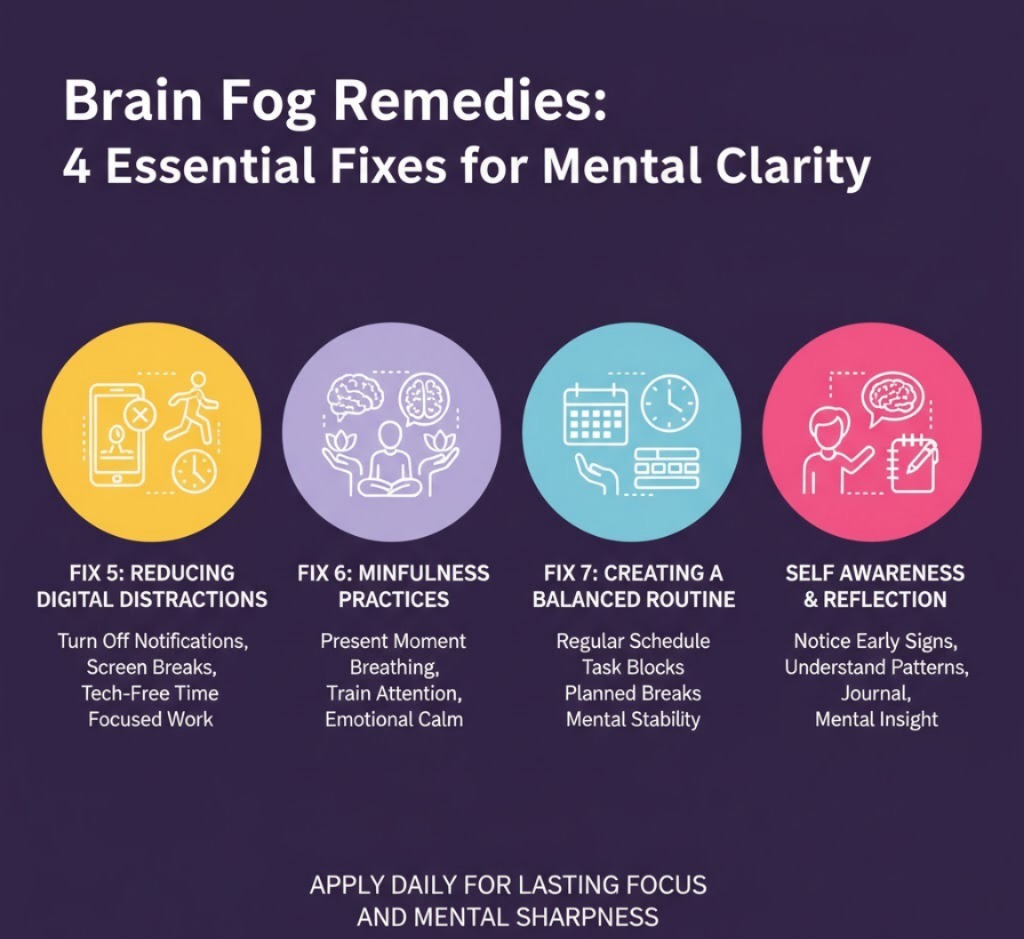
Constant screen exposure overwhelms the brain with nonstop information, making it harder to maintain focus. Notifications, social media, messages, and multitasking force the brain to switch attention repeatedly, which drains mental energy. Over time, this mental overload becomes a major contributor to brain fog.
Screen fatigue reduces focus by overworking the eyes and the brain simultaneously. Prolonged exposure to screens increases mental exhaustion and slows cognitive processing. When stimulation continues from morning until night, the brain never gets a chance to reset. This constant stimulation weakens attention span and worsens mental clarity.
Reducing unnecessary notifications helps protect attention and mental resources. Turning off non-essential alerts, limiting multitasking, and scheduling screen time allows the brain to process information more deeply. These small changes reduce cognitive strain and support healthier focus, making them practical brain fog remedies for modern digital overload.
Tech-free moments give the brain space to rest and recover. Stepping away from screens, even briefly, allows mental tension to release and clarity to return. Short screen breaks throughout the day restore focus, reduce eye strain, and prevent the gradual buildup of mental fog that comes from constant digital exposure.
Fix 6: Mindfulness Practices for Attention Control
Mindfulness trains the brain to stay present instead of scattered across thoughts and distractions. When attention is intentionally guided, mental clarity improves naturally. By reducing mental wandering, mindfulness becomes one of the most effective long-term brain fog remedies for improving focus and awareness.
Simple breathing exercises help calm mental noise and reduce overstimulation. Slow, deep breaths signal the nervous system to relax, lowering stress levels. Focusing on the breath gently brings awareness back to the present moment, helping the mind feel lighter and more controlled.
Regular mindfulness practice strengthens focus over time by training attention like a muscle. With consistent practice, the brain becomes better at noticing distractions and returning to the task at hand. This increased mental discipline supports sharper thinking and reduced cognitive fatigue.
Mindfulness also reduces emotional reactivity, which often worsens brain fog. When emotions are observed calmly rather than reacted to instantly, mental balance improves. A steady emotional state supports clear thinking, stable energy levels, and enhances the effectiveness of natural brain fog remedies.
Fix 7: Creating a Balanced Daily Routine
The brain functions best when daily life follows a sense of structure and predictability. A balanced routine reduces uncertainty, decision fatigue, and mental stress that often contribute to brain fog. When the brain knows what to expect, it can conserve energy for focus and problem-solving instead of constant adjustment.
Regular wake times and consistent meal timings help stabilize the body’s internal clock. This stability supports balanced energy levels and prevents sudden dips in attention or motivation. When daily rhythms remain steady, the brain operates more efficiently and maintains clearer focus throughout the day.
Organizing work into focused blocks with planned breaks prevents mental overload. Continuous effort without rest exhausts cognitive resources, while intentional pauses allow the brain to recover. Balancing periods of concentration with rest improves productivity and supports long-term mental clarity.
A consistent routine creates a sense of mental safety and control. Predictable patterns reduce stress responses and allow the mind to remain calm and focused. Over time, this stability strengthens concentration, improves productivity, and supports lasting improvement in mental clarity.
Fix 8: Self Awareness and Reflection Habits
Self awareness helps identify early signs of mental overload before brain fog becomes overwhelming. By noticing changes in focus, mood, or energy, adjustments can be made early. This awareness prevents prolonged mental strain and supports healthier cognitive function.
Reflection allows you to understand which habits drain energy and which restore it. Observing daily patterns helps build smarter mental routines over time. With reflection, mental clarity becomes easier to maintain because decisions are based on personal insight rather than guesswork.
Practices like journaling or quiet reflection help organize thoughts and emotions. Writing down experiences reduces mental clutter and allows the brain to process information more calmly. This practice supports emotional clarity and reduces confusion that contributes to brain fog.
With strong self awareness, the brain receives timely care instead of being pushed past its limits. Brain fog becomes a useful signal for adjustment rather than a persistent problem. Over time, reflection and awareness support sustained focus, balance, and mental well-being.
6. How Brain Fog Affects Productivity and Emotional Well Being
Brain fog remedies has a strong impact on both productivity and emotional balance. When the mind feels unclear, tasks that once felt simple begin to require extra effort and time. Mental energy drains quickly, reducing motivation and consistency. Effective brain fog remedies help restore mental sharpness, allowing individuals to function with greater ease and emotional stability.
In work and academic environments, brain fog slows processing speed and reduces the ability to concentrate for long periods. Creativity becomes limited, ideas feel harder to organize, and attention shifts frequently. As a result, productivity declines and performance suffers. Applying reliable brain fog remedies helps improve focus, efficiency, and overall work quality.
Decision making is significantly affected by mental fog. The brain struggles to analyze options clearly, leading to hesitation and overthinking. Even small decisions feel overwhelming, increasing stress and mental fatigue. With improved clarity, decisions become faster and more confident, reinforcing the value of consistent brain fog remedies.
The emotional effects of long-term brain fog can be deeply challenging. Ongoing mental fatigue often creates frustration, self-doubt, and a feeling of being mentally blocked. Confidence may decrease as productivity drops, leading to emotional exhaustion. Addressing brain fog early helps prevent these emotional effects from becoming long-lasting.
Mental clarity plays a crucial role in emotional regulation. When the mind is clear, emotions are easier to process and manage. Stress responses become less intense, patience improves, and emotional reactions feel more balanced. Brain fog remedies support this emotional stability by reducing mental overload.
Clarity also strengthens confidence and mood over time. When thinking feels sharp, challenges appear more manageable and less intimidating. Productivity improves, self-belief grows, and emotional resilience increases. Through consistent brain fog remedies, mental clarity supports a healthier mindset and long-term emotional well-being.
7. When Brain Fog Becomes Chronic: Knowing When to Seek Help
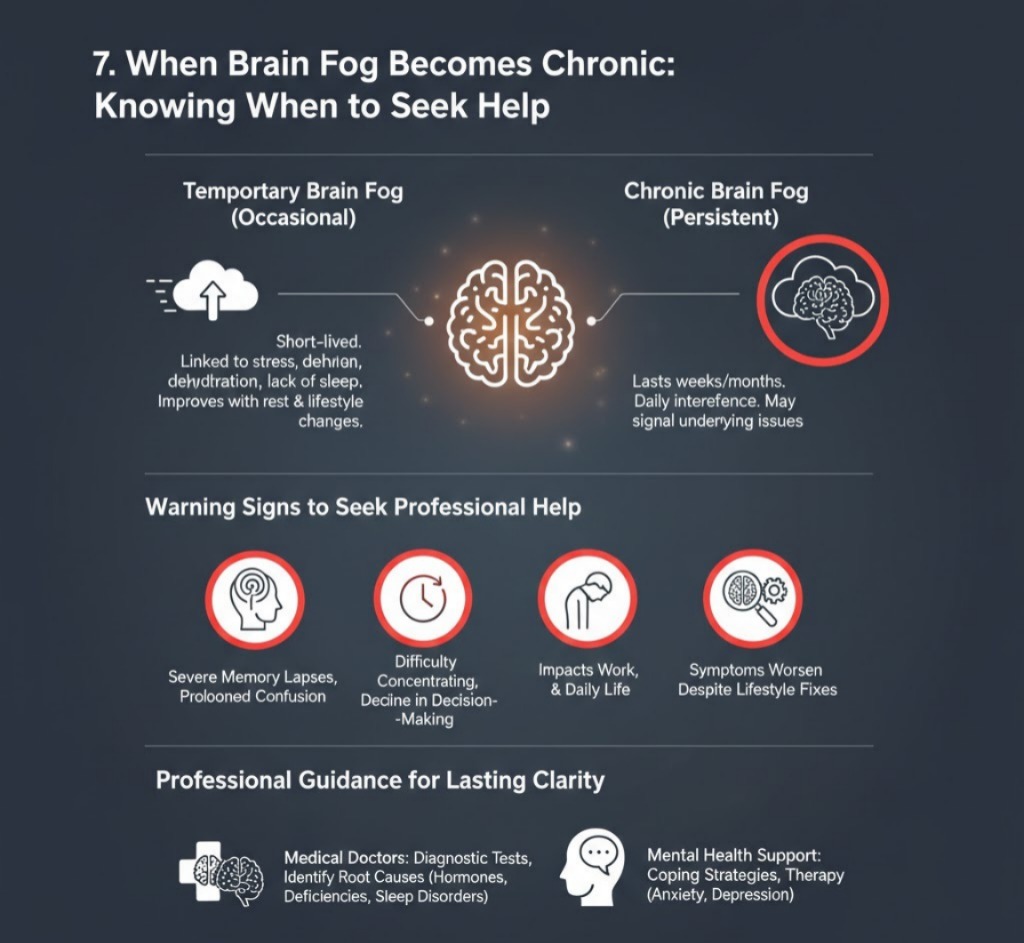
Brain fog remedies can be very effective for occasional, lifestyle-related mental cloudiness, but they may not always address more serious or chronic conditions. If brain fog persists for several weeks or months despite good sleep, proper hydration, balanced nutrition, and stress management, it may signal an underlying issue. Recognizing the difference between temporary and chronic brain fog is essential for maintaining long-term mental health.
Temporary brain fog is usually short-lived and linked to factors like lack of sleep, stress, dehydration, or overworking. It comes and goes, and symptoms often improve after rest, relaxation, or applying lifestyle-based brain fog remedies. In contrast, persistent brain fog lingers, interferes with daily functioning, and can impact productivity, focus, and emotional well-being. Chronic fog should never be ignored, as it may indicate a more serious medical or neurological condition.
Certain warning signs indicate it’s time to seek professional evaluation. Severe memory lapses, prolonged confusion, difficulty concentrating, or noticeable decline in decision-making abilities are red flags. Ongoing cognitive difficulties that affect work, studies, or daily life suggest that lifestyle changes alone may not be enough. Early recognition allows timely intervention, which can prevent further decline and support recovery.
Professional guidance plays a critical role in addressing chronic brain fog. Doctors, neurologists, or mental health specialists can run diagnostic tests to identify potential causes such as hormonal imbalances, nutrient deficiencies, sleep disorders, or neurological conditions. While brain fog remedies can complement treatment, professional support ensures the root cause is properly addressed for lasting improvement.
Mental health support is equally important. Conditions like anxiety, depression, or chronic stress can intensify brain fog remedies and make cognitive recovery difficult. Psychologists, counselors, or therapists can provide coping strategies, cognitive exercises, and behavioral interventions to improve mental clarity. Combining these professional tools with lifestyle-based brain fog remedies often produces the best outcomes.
Seeking help early not only addresses current symptoms but also supports long-term brain health. When underlying causes are identified and managed, cognitive function, emotional stability, and daily performance improve over time. Using brain fog remedies alongside professional guidance ensures both immediate relief and sustainable mental clarity for the future.
8. Conclusion
Brain fog remedies are not quick solutions; they are part of a long-term approach to maintaining cognitive health and mental clarity. Instant fixes may temporarily mask fatigue or confusion, but they do not address the underlying causes of brain fog. True improvement comes from consistent, intentional habits that support the brain’s natural functioning. By committing to small daily changes, individuals can gradually restore focus, memory, and emotional resilience, leading to sustained mental wellness over time.
Recapping the most effective brain fog remedies highlights the key areas that support cognitive recovery. Prioritizing quality sleep allows the brain to repair and consolidate memories, while proper hydration and nutrient-rich foods provide the fuel necessary for clear thinking. Stress management techniques, such as mindfulness or deep breathing, reduce mental overload, and regular physical activity stimulates blood flow and oxygen delivery to the brain. Following a structured daily routine and minimizing distractions further reinforces these benefits. When all of these elements are applied together consistently, they create a powerful framework for mental clarity and overall well-being.
Even small adjustments in daily habits can produce significant results when applied consistently. Simple changes, like stepping away from screens, incorporating short mindfulness sessions, taking brief walks, or planning meals with brain-healthy nutrients, can gradually improve focus and energy levels. These tiny, manageable steps may seem minor at first, but over weeks and months they compound into noticeable improvements in attention span, memory, and emotional stability. Brain fog remedies work best when applied steadily, forming a foundation of long-term cognitive strength.
Consistency and balance are critical when implementing brain fog remedies. Trying to push the brain too hard or expecting immediate results can backfire, causing more stress and mental fatigue. Gentle, regular care of the mind and body allows cognitive functions to recover naturally and reduces the risk of burnout. Maintaining a balanced approach, where effort is matched with proper rest and recovery, ensures that clarity develops sustainably and becomes a permanent part of daily life rather than a temporary fix.
The brain is inherently adaptable and resilient, capable of recovering from extended periods of mental fatigue if it is given the right support. With consistent application of brain fog remedies, clarity can return, focus can improve, and emotional balance can be restored. Over time, individuals notice better decision-making, sharper thinking, and more efficient processing of information, which in turn enhances productivity, creativity, and overall quality of life. The combination of lifestyle adjustments and mindful care reinforces the brain’s natural capacity to heal and function optimally.
Ultimately, brain fog remedies are about understanding and respecting the mind’s needs and limitations while taking intentional steps to support its function daily. Recovery and mental clarity require patience and dedication, but the benefits are profound and long-lasting. By listening to the signals the brain sends, practicing consistency, and nurturing both mental and physical health, individuals can achieve sustainable focus, emotional stability, and cognitive resilience.