
Table of Contents
1. Introduction
High performance habits are the cornerstone of sustained success and personal growth. They are not just routines or simple behaviors; they are deliberate practices that shape the way individuals approach challenges, manage their energy, and achieve their goals. In a world that constantly demands more—from career pressures to personal responsibilities—the difference between those who excel and those who merely survive often comes down to habits. High performance habits provide the structure and discipline required to maintain focus, enhance productivity, and consistently deliver results.
Developing these habits is essential because talent alone is rarely enough. Many people with great potential fail to achieve their ambitions because they lack the consistent behaviors that transform effort into achievement. By cultivating high performance habits, individuals can channel their energy into meaningful action, navigate challenges effectively, and continuously grow both personally and professionally. These habits form the backbone of performance excellence and help unlock latent potential that might otherwise remain untapped.
Moreover, high performance habits are closely linked with mental wellness. Engaging in consistent, structured behaviors reduces stress, enhances clarity, and fosters resilience, allowing individuals to approach setbacks with a calm and proactive mindset. They create a sense of control and confidence, which is essential in today’s fast-paced and unpredictable world. This blog will explore high performance habits in depth, offering nine actionable steps that can be implemented immediately to cultivate excellence, unlock potential, and achieve success in every area of life.
2. Understanding High Performance Habits
High performance habits are deliberate, structured routines designed to produce consistent results over time. Unlike casual or sporadic routines, these habits are intentional, measurable, and focused on long-term outcomes rather than short-term gratification. They are behaviors that enable individuals to optimize their mental, emotional, and physical resources in pursuit of their goals.
At the heart of high performance habits is the idea that excellence is not an accident. It is the product of conscious, repeated action. These habits are built around clarity, discipline, and focus, helping individuals manage distractions and maintain high levels of productivity. They are not just about doing more but about doing what truly matters in a way that maximizes efficiency and impact. For example, a high performer does not spend hours working aimlessly; instead, they focus on high-value activities that drive results while ensuring balance and sustainability.
High performance habits also encompass mental and emotional practices. Techniques such as visualization, mindfulness, and self-reflection are integral to developing resilience, focus, and self-awareness. These mental routines complement physical habits, creating a holistic approach to achieving performance excellence. By integrating both action-oriented and mindset-oriented habits, individuals can enhance their overall potential and consistently operate at their best.
Ultimately, high performance habits are about intentional living. They provide a framework for approaching life with purpose, clarity, and determination, enabling individuals to unlock potential, overcome obstacles, and consistently achieve their goals.
3. The Link Between Habits and Performance Excellence
Performance excellence is the ability to consistently deliver outstanding results while maintaining balance, focus, and personal well-being. It is not a fleeting moment of success but a sustained level of high achievement across various aspects of life. High performance habits serve as the bridge to this excellence by creating routines that reinforce focus, discipline, and adaptability.
The connection between habits and performance excellence lies in the power of consistency. Scientific research shows that nearly 40% of daily actions are driven by habits. This means that what we do regularly—consciously or unconsciously—has a profound impact on outcomes. By cultivating high performance habits, individuals can align their actions with their long-term objectives, ensuring that every day contributes to growth, skill development, and achievement.
High performance habits reduce cognitive load by automating positive behaviors. When productive routines are embedded into daily life, mental energy can be devoted to creativity, problem-solving, and decision-making rather than constant planning and reacting. For instance, a professional who follows a structured work routine can allocate energy to strategic tasks rather than being drained by indecision or distractions. This alignment between action and intention is what fosters performance excellence.
Moreover, these habits cultivate resilience and adaptability. Life is unpredictable, and challenges are inevitable. High performers navigate setbacks with composure and learn from failures, transforming obstacles into opportunities for growth. In this way, high performance habits not only improve immediate results but also equip individuals with the mindset and skills necessary to sustain excellence over the long term.
4. Why High Performance Habits Unlock Potential
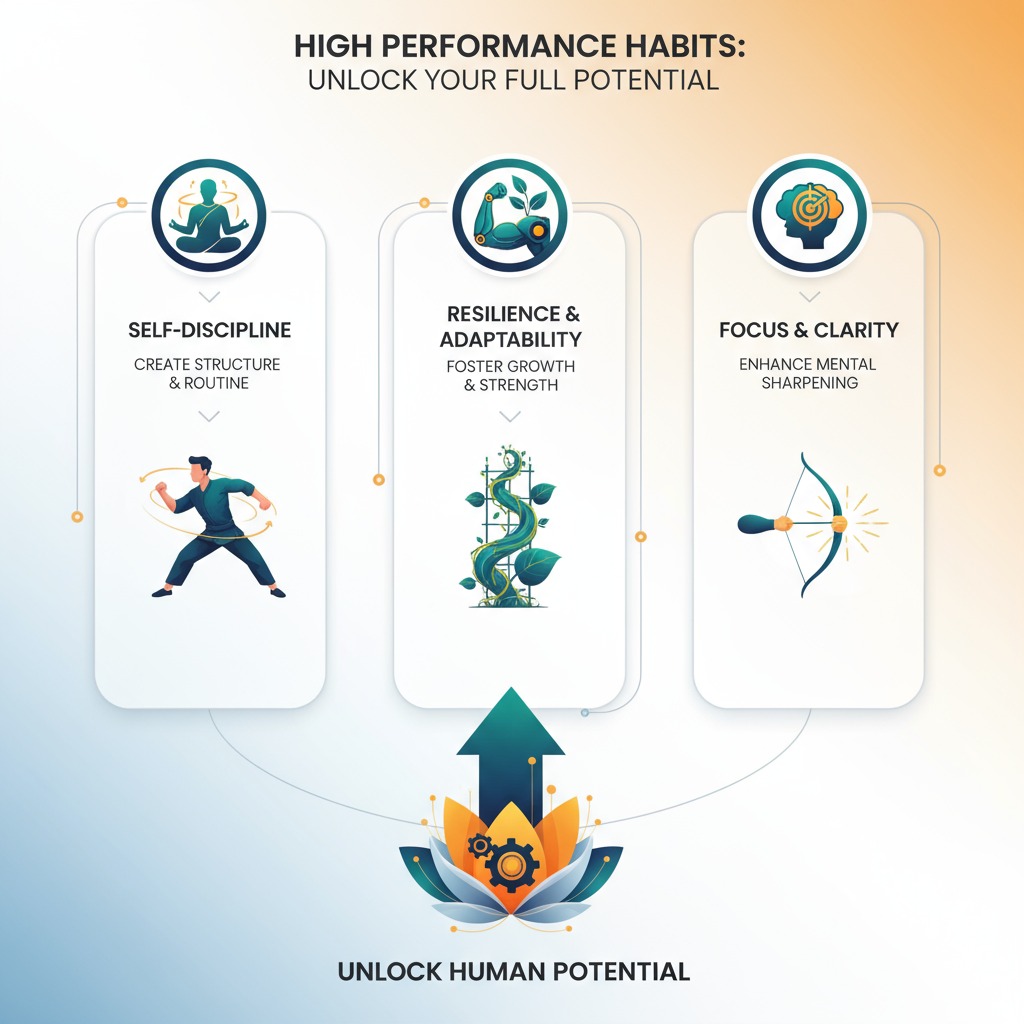
High performance habits do more than enhance productivity; they unlock human potential by creating a framework for consistent growth and self-improvement. Potential unlock occurs when individuals recognize their capabilities and implement strategies to maximize them. High performance habits provide this structure by reinforcing discipline, focus, and intentional action.
One of the primary ways these habits unlock potential is by fostering self-discipline. When individuals commit to deliberate routines, they develop control over distractions, procrastination, and impulses. This self-discipline allows them to take on challenging tasks that push their abilities and expand their skill sets. For example, a musician who practices daily, even when motivation is low, gradually refines their craft and achieves a level of mastery that casual practice cannot produce.
High performance habits also enhance resilience and adaptability. Life is full of unexpected changes and challenges, and individuals who cultivate these habits are better equipped to manage uncertainty. Daily routines that emphasize reflection, goal-setting, and stress management help high performers respond to setbacks with composure, learning, and forward momentum. Each challenge becomes a lesson that strengthens skills and builds confidence, creating a continuous cycle of growth.
In addition, high performance habits improve focus and mental clarity. When daily actions are intentional and aligned with long-term objectives, distractions and unproductive behaviors decrease. This clarity allows individuals to prioritize high-impact activities, make informed decisions, and maintain momentum toward their goals. By consistently applying these habits, potential is not only recognized but also transformed into tangible achievements, enabling individuals to reach levels of success that once seemed unattainable.
5. 9 Actionable High Performance Habits for Success
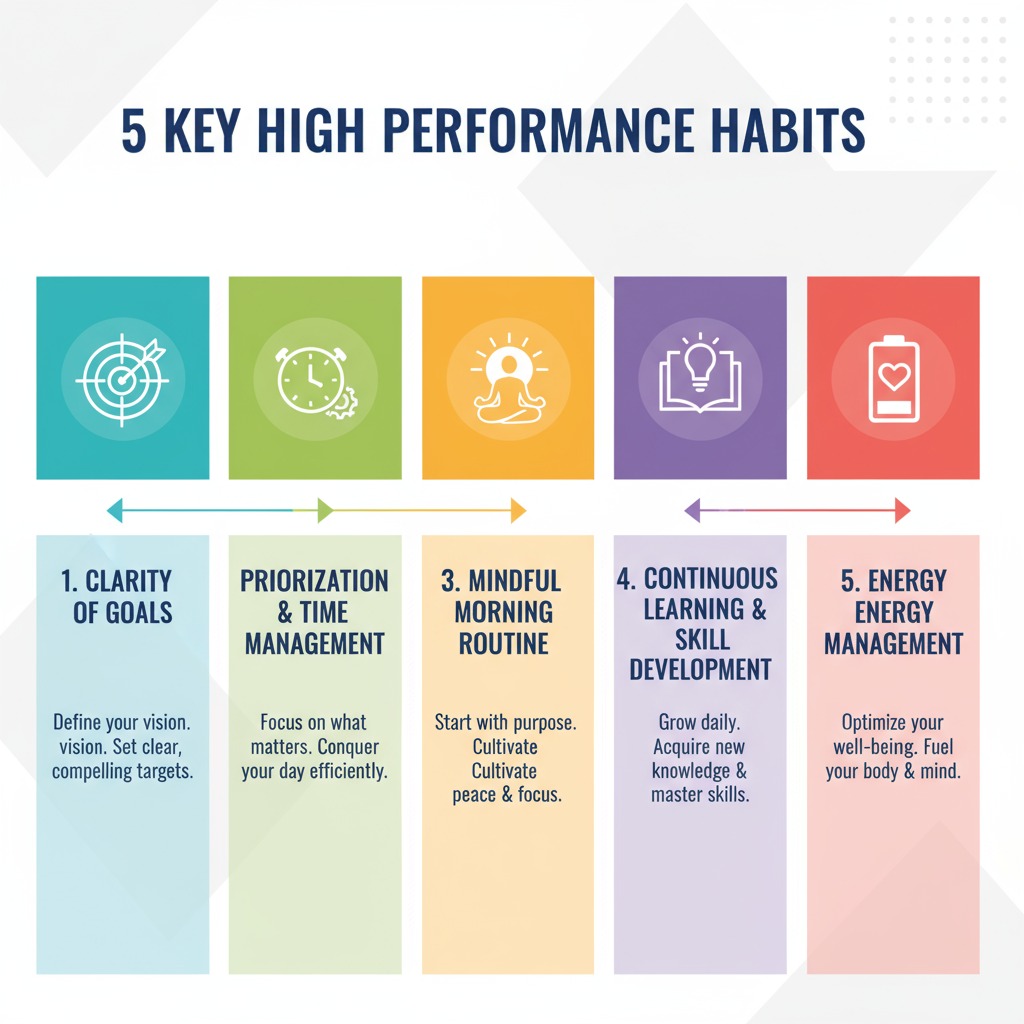
1. Clarity of Goals
High performance habits always begin with clarity. Knowing exactly what you want to achieve provides direction, focus, and motivation. Clear goals act as a roadmap, allowing you to prioritize your efforts and measure progress effectively. One way to create clarity is by defining SMART goals—those that are Specific, Measurable, Achievable, Relevant, and Time-bound. Writing down your goals and reviewing them daily reinforces commitment and keeps your mind focused on outcomes.
Breaking larger goals into weekly or monthly actionable tasks makes them more manageable and less overwhelming. For example, a student aiming to improve grades might divide study sessions into focused, topic-specific blocks rather than relying on vague intentions like “study more.” This clarity ensures that each action contributes meaningfully to the ultimate objective.
2. Prioritization and Time Management
High performance habits rely heavily on efficient time management. Prioritization ensures that energy is directed toward high-impact tasks instead of getting lost in trivial activities. One effective method is using the Eisenhower Matrix, which categorizes tasks based on urgency and importance, helping identify what deserves immediate attention.
Blocking dedicated time for high-priority tasks during peak productivity hours maximizes output, while limiting multitasking helps maintain focus and quality. For instance, an entrepreneur might schedule client calls and strategic meetings in the morning, reserving administrative work for later. This approach ensures that critical tasks receive undivided attention, leading to better results and consistent progress toward goals.
3. Mindful Morning Routine
A purposeful morning routine sets the tone for the entire day. High performers use the first hour intentionally to cultivate energy, focus, and a positive mindset. Activities such as exercise, meditation, or journaling provide mental clarity and physical readiness, ensuring that the day begins on a productive note.
Avoiding distractions like social media or emails first thing in the morning prevents scattered focus and unnecessary stress. Planning top priorities and visualizing desired outcomes allows individuals to approach the day with a clear sense of direction. Athletes and CEOs alike often credit their productivity and consistency to a structured morning routine that aligns energy, focus, and intention from the start.
4. Continuous Learning and Skill Development
High performance habits include a commitment to lifelong learning. Acquiring new skills, refining existing ones, and staying informed helps maintain performance excellence and fosters career and personal growth. Dedicating daily or weekly time for reading, taking online courses, or practicing a skill ensures that knowledge and capability continuously expand.
Reflecting on lessons learned and applying them immediately enhances retention and practical use. Seeking feedback also helps identify areas for improvement, turning challenges into growth opportunities. For example, a software developer learning a new programming language can expand career opportunities while improving problem-solving skills, demonstrating the direct impact of continuous learning on performance excellence.
5. Energy Management
High performance is not just about managing time; it also requires managing energy. Physical, mental, and emotional energy must be balanced for optimal output. Prioritizing sufficient sleep, proper nutrition, and regular exercise ensures that the body and mind function efficiently. Taking short breaks during periods of intense work helps recharge focus and prevent fatigue.
Stress-relief techniques like deep breathing, meditation, or short walks also play a crucial role in maintaining consistent energy levels. For example, a project manager who maintains energy through brief exercise sessions and mindful breaks can sustain attention during long meetings and handle complex problem-solving tasks more effectively.
6. Self-Discipline and Consistency
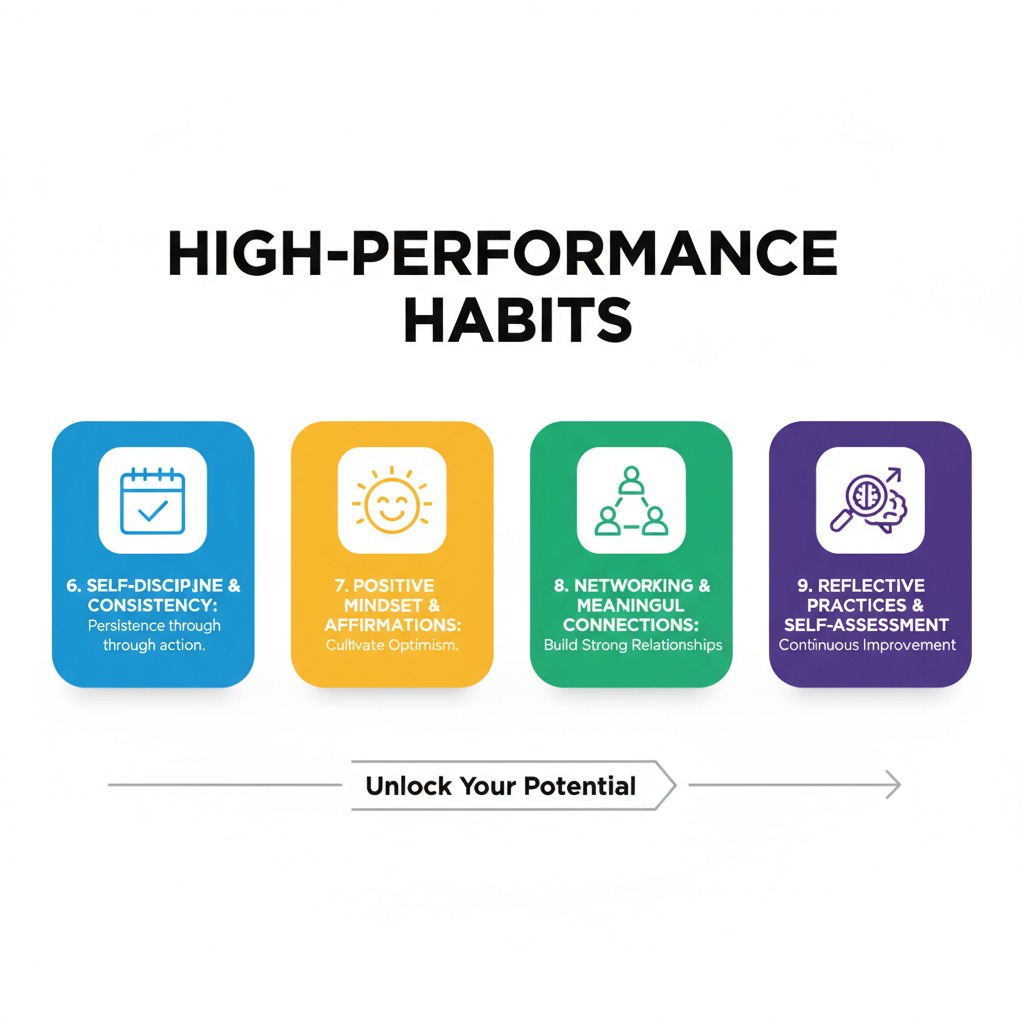
Discipline and consistency are the backbone of high performance habits. The ability to persist even when motivation wanes is essential for achieving performance excellence. Creating a daily schedule and adhering to it reinforces structure and ensures steady progress. Tracking accomplishments and celebrating small wins further strengthens commitment and makes consistency more sustainable.
Avoiding shortcuts or procrastination helps maintain quality and prevents disruptions in momentum. For instance, a writer who consistently writes 500 words every morning will complete books faster and more efficiently than someone relying on sporadic bursts of inspiration, illustrating the importance of self-discipline in high performance.
7. Positive Mindset and Affirmations
A positive mindset significantly influences overall performance. High performers cultivate optimism, self-confidence, and resilience through deliberate mental practices. Using daily affirmations reinforces goals and personal capabilities, while reframing setbacks as learning opportunities prevents discouragement and fosters problem-solving.
Focusing on strengths and accomplishments rather than weaknesses enhances motivation and builds mental resilience. For example, a salesperson facing repeated rejection may affirm their skills and focus on improving strategies instead of dwelling on failure, demonstrating how a positive mindset drives performance and encourages continued effort.
8. Networking and Meaningful Connections
High performance habits also emphasize building and maintaining meaningful relationships. Networking creates access to support, guidance, and opportunities that talent alone cannot provide. Engaging in events, webinars, and workshops helps individuals connect with like-minded peers, mentors, and potential collaborators. Offering value to your network before seeking assistance strengthens relationships and fosters trust.
Regular, meaningful communication ensures that these connections remain active and supportive. Professionals with strong networks often discover mentorship, collaborations, or business opportunities that significantly accelerate growth and success, showing that relationships amplify the effectiveness of high performance habits.
9. Reflective Practices and Self-Assessment
Reflection is essential for maintaining high performance. Regularly assessing successes, failures, and routines helps refine habits and ensures continuous improvement. Setting aside weekly time to review achievements, challenges, and patterns promotes self-awareness and allows individuals to identify strengths and areas needing adjustment.
Insights gained through reflection inform future strategies and enhance decision-making. For example, athletes analyzing game footage or business leaders reviewing quarterly results use reflection to optimize performance, illustrating how self-assessment reinforces growth and ensures that high performance habits remain effective over time.
6. Daily Practices to Strengthen High Performance Habits
High performance habits are most effective when they become part of a daily routine. Like any skill, they strengthen with repeated practice and intentional effort. Developing these habits is not about sporadic bursts of effort; it is about creating consistent rituals that support performance excellence and unlock one’s true potential. One of the most effective daily practices is journaling. Maintaining a journal allows individuals to record achievements, challenges, emotions, and lessons learned. This practice increases self-awareness, helps track progress over time, and provides a clear view of areas that need improvement. When challenges arise, journaling helps identify patterns, avoid repeated mistakes, and maintain motivation, creating a strong foundation for high performance habits.
Mindfulness and meditation are also essential daily practices. In today’s fast-paced world, the mind often wanders between past regrets and future anxieties, which can reduce focus and diminish performance. By spending even a few minutes in meditation, deep breathing, or mindful reflection, individuals can center their attention, lower stress hormone levels, and improve clarity. Research shows that mindfulness strengthens prefrontal cortex activity, enhancing decision-making, emotional regulation, and resilience—all key components of high performance habits. Incorporating mindfulness into the morning routine or during short breaks throughout the day ensures sustained energy and focus.
Gratitude exercises further reinforce high performance habits. Regularly acknowledging positive aspects of life and work nurtures a growth mindset and fosters optimism. For example, taking a few minutes each day to note achievements, helpful colleagues, or lessons from setbacks can shift perspective from scarcity and negativity to abundance and opportunity. This mental shift supports performance excellence by keeping individuals motivated and solution-focused even under pressure.
Physical wellness also plays a critical role in sustaining high performance habits. Energy management through sufficient sleep, proper nutrition, and regular exercise ensures the body supports the mind. Studies indicate that exercise improves cognitive function, mood, and stress resilience, all of which directly contribute to sustaining high performance. Simple practices like a brisk morning walk, a short workout session, or stretching breaks during work hours can dramatically enhance focus and productivity.
Additionally, daily reflection and self-assessment are vital for high performance habits. Taking five to ten minutes at the end of each day to review accomplishments, identify areas for improvement, and adjust goals ensures continuous learning and growth. This habit reinforces accountability, sharpens decision-making, and strengthens the ability to bounce back from setbacks. Over time, these daily practices collectively embed high performance habits into a person’s lifestyle, enabling sustained excellence, personal growth, and the unlocking of hidden potential.
7. Common Challenges in Building High Performance Habits
Building high performance habits is an intentional process, but it is not without obstacles. The most common challenges include procrastination, lack of motivation, distractions, and mental fatigue. Procrastination often arises when tasks feel overwhelming or unclear, leading to delays and decreased productivity. Similarly, lack of motivation can occur when results are not immediate or when individuals compare themselves to others, leading to discouragement. Daily distractions—from social media notifications to multitasking—further undermine focus and prevent consistent habit formation. Recognizing these challenges is crucial because awareness is the first step in overcoming them.
Practical strategies can mitigate these obstacles and reinforce high performance habits. Breaking larger goals into smaller, actionable steps reduces overwhelm and builds momentum. For example, instead of “write a report,” a task could be broken into “research for 30 minutes,” “create outline,” and “write 500 words.” Time-blocking techniques, such as allocating specific hours for deep work and separating them from routine tasks, ensure focus and reduce distractions. Minimizing environmental interruptions, such as silencing notifications or creating a dedicated workspace, also improves consistency.
Accountability is another powerful tool. Sharing goals with mentors, peers, or accountability partners creates external motivation to follow through. Habit-tracking apps or planners help individuals visually track progress, reinforcing consistency and rewarding small achievements. Motivation can also be nurtured internally through reflection, affirmations, and celebrating small wins. For instance, acknowledging one’s effort in completing a challenging task fosters a sense of accomplishment and reinforces the desire to continue building high performance habits.
Mental fatigue is another barrier that often goes unnoticed. High performance habits require cognitive, emotional, and physical energy. Without proper rest, nutrition, and stress management, even the most disciplined individual can struggle to maintain consistency. Incorporating short breaks, mindfulness exercises, and recovery practices into daily routines ensures sustained energy and prevents burnout. Overcoming these common challenges is essential to maintain high performance habits, achieve performance excellence, and unlock full potential.
8. Benefits of Developing High Performance Habits
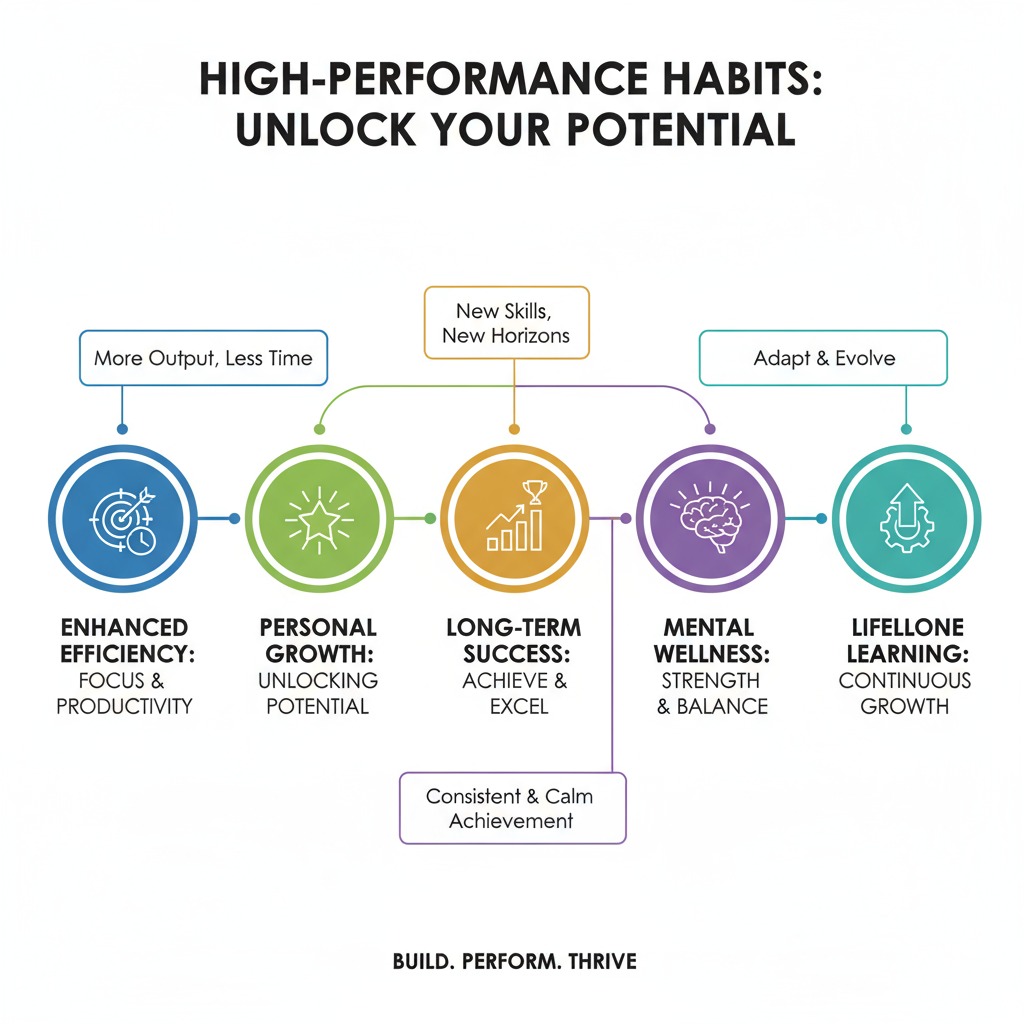
The benefits of cultivating high performance habits are profound, spanning personal, professional, and mental wellness domains. First and foremost, these habits dramatically enhance focus and productivity. By setting clear goals, managing time effectively, and prioritizing high-impact tasks, individuals can accomplish more in less time while maintaining high-quality outcomes. This improved efficiency directly contributes to performance excellence, whether in professional settings, academic endeavors, or personal projects.
High performance habits also unlock hidden potential. Many individuals are capable of more than they realize, but distractions, lack of focus, or inconsistent effort often conceal this capacity. By consistently applying structured habits, individuals discover strengths, talents, and capabilities previously untapped. This unlocking of potential not only enhances performance but also fuels confidence, resilience, and personal growth. For example, a student developing a disciplined study routine may realize not only improved grades but also better problem-solving, time management, and critical thinking skills.
Another key benefit is long-term success across life’s domains. High performance habits cultivate discipline, self-awareness, and adaptability, which are critical for achieving goals in career, academics, or relationships. Individuals who maintain these habits are better equipped to handle challenges, recover from setbacks, and continuously improve. Moreover, such habits foster mental wellness by reducing stress, enhancing emotional regulation, and promoting a sense of control over one’s life. Over time, the cumulative effect of high performance habits leads to sustained achievement, personal satisfaction, and the ability to thrive under pressure.
In addition, high performance habits foster a mindset of continuous learning and growth. By reflecting on successes and failures, seeking feedback, and adapting strategies, individuals cultivate resilience and a proactive approach to challenges. This mindset not only improves performance outcomes but also strengthens emotional intelligence, problem-solving abilities, and interpersonal skills. Ultimately, the benefits of developing high performance habits are both immediate and long-lasting, shaping individuals into confident, capable, and successful individuals who can navigate any challenge with skill and poise.
9. Conclusion
High performance habits are the cornerstone of performance excellence, personal growth, and the unlocking of potential. The nine actionable habits—clarity of goals, prioritization and time management, mindful morning routines, continuous learning, energy management, self-discipline and consistency, positive mindset, networking, and reflective practices—form a comprehensive framework that guides individuals toward success. Each habit supports the others, creating a holistic approach to achieving goals and maintaining mental wellness.
The key to success is starting small and remaining consistent. Attempting to adopt all nine habits at once can feel overwhelming, but integrating one habit at a time into daily routines ensures sustainable progress. Even small steps—like journaling for ten minutes, scheduling a focused work block, or practicing a short mindfulness exercise—compound over time to create significant impact. Overcoming challenges such as procrastination, distractions, or fatigue requires intentional strategies, including accountability, time management, and self-reflection, all of which reinforce the effectiveness of high performance habits.
The journey toward cultivating high performance habits is continuous. Life will inevitably present obstacles, whether professional setbacks, personal struggles, or unexpected disruptions. However, these habits equip individuals with the focus, resilience, and clarity needed to not just survive these challenges but to excel through them. By committing to daily practice, reflection, and improvement, high performance habits become more than routines—they become a lifestyle that fosters sustained performance excellence, personal growth, and the unlocking of full potential. Begin today by choosing one habit, committing to it, and witnessing the transformative power of high performance habits in action.