
Table of Contents
1. Introduction
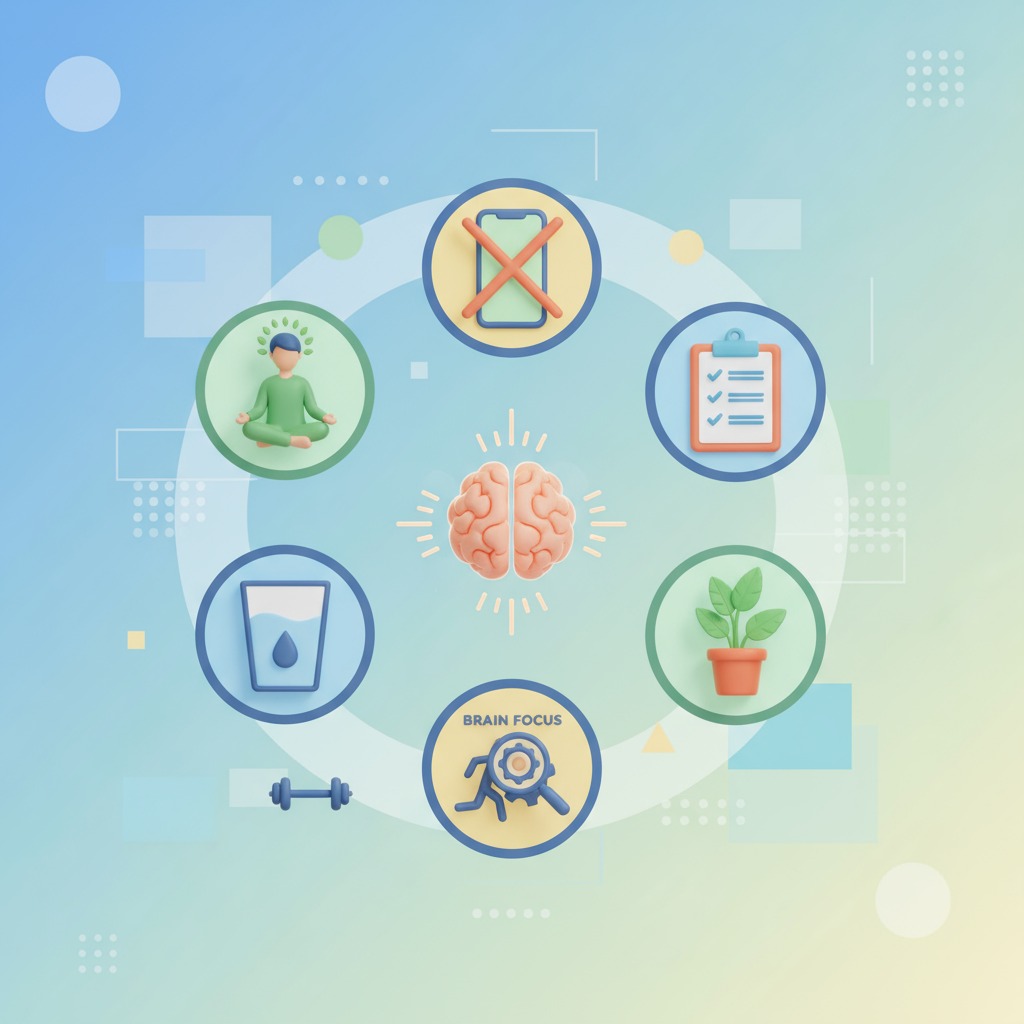
Digital detox benefits are becoming increasingly essential in modern life, especially as personal and professional routines are heavily intertwined with screens. From the moment we wake up, our brains are bombarded with notifications, emails, news updates, and social media alerts. While these digital interactions may seem productive, they often lead to mental fatigue, diminished focus, and slower task completion.
Excessive screen time also contributes to digital fatigue, a state where the mind struggles to process information effectively. Digital fatigue can manifest as headaches, eye strain, irritability, and reduced cognitive performance. When mental clarity is compromised, even routine tasks like replying to emails or completing reports take longer, and the sense of satisfaction from finishing work diminishes. This constant drain on energy and attention can make professional responsibilities feel overwhelming and unmanageable.
Digital detox benefits provide a structured approach to counteract this overload. By intentionally stepping away from screens, individuals allow their minds to rest, regain focus, and prioritize tasks more effectively. Beyond productivity, detoxing digitally promotes emotional balance, reduces stress, and enhances overall well-being. In this blog, we will dive into seven scientifically-backed digital detox benefits that can enhance mental clarity and improve task completion, alongside practical strategies to implement them in daily life. These benefits are not just wellness tips—they are powerful tools for maintaining peak performance in a hyper-connected world.
In today’s fast-paced world, the pressure to remain constantly connected can lead to burnout, decreased creativity, and impaired decision-making. Many people underestimate how much time is lost to mindless scrolling, endless notifications, or multitasking across multiple devices. Digital detox benefits help break this cycle by creating intentional pauses that allow the brain to recharge. These breaks not only restore mental clarity but also improve focus, enabling individuals to approach tasks with renewed energy and a sharper sense of purpose. By integrating digital detox practices into daily routines, people can reclaim control over their attention, enhance productivity, and foster a healthier, more balanced lifestyle.
2. Understanding Digital Overload
Before exploring digital detox benefits, it is important to understand digital overload and its consequences. Digital overload occurs when the brain receives more information than it can process efficiently, leading to stress, distraction, and reduced cognitive function. Today, the average person spends 7–9 hours a day on screens, frequently switching between emails, apps, social media, and video calls. This multitasking, while seemingly productive, actually reduces efficiency by up to 40%, according to research from the American Psychological Association.
Each digital detox benefits notification triggers a dopamine response, creating a cycle of craving constant updates. This rewires the brain to seek immediate gratification, making it difficult to focus on long-term projects or engage in deep, meaningful work. For instance, someone trying to draft a report may find themselves checking messages repeatedly, which interrupts their workflow and prolongs task completion. Over weeks and months, this habit trains the brain for distraction rather than sustained focus.
Digital overload also affects emotional and physical health. Continuous exposure to screens can increase stress, anxiety, and feelings of being overwhelmed. Poor sleep is another common effect, as late-night device use interferes with melatonin production. Eye strain, headaches, and musculoskeletal discomfort are frequent physical symptoms of digital fatigue. This creates a feedback loop: stress from unfinished tasks leads to more digital engagement for distraction, which in turn worsens efficiency.
Digital detox benefits break this cycle. By intentionally stepping back from screens, the brain gets an opportunity to reset, attention spans are restored, and cognitive resources are freed up for tasks that truly matter. This restoration is key to improving both mental clarity and productivity. In essence, digital detox is not about rejecting technology—it’s about reclaiming control over how we use it.
3. The Importance of Mental Clarity for Productivity
Digital detox benefits are closely linked to mental clarity, which is the foundation of focus, efficiency, and effective decision-making. Mental clarity refers to a state where the mind is organized, focused, and capable of processing information without being overwhelmed by distractions.
Without mental clarity, even highly skilled professionals struggle with procrastination, decision fatigue, and time wastage. For example, research shows that after just one interruption from checking a phone or app, it can take 20–25 minutes to regain the same level of focus. For employees who face multiple interruptions throughout the day, this leads to hours of lost productivity. Similarly, students attempting to study while constantly checking social media experience reduced retention and slower progress in completing assignments.
Digital detox benefits restore mental clarity by reducing external stimuli and allowing the brain to engage in deep work. Deep work—a state of focused, uninterrupted concentration—enables higher efficiency, better problem-solving, and faster task completion. When digital distractions are minimized, the brain can prioritize important tasks, organize thoughts effectively, and operate at peak performance.
Moreover, mental clarity is not only about focus—it enhances creativity, emotional regulation, and decision-making. By taking intentional breaks from screens, individuals can process information more efficiently, reduce cognitive overload, and approach challenges with a calmer, more strategic mindset. In a professional setting, this translates to higher-quality outputs, quicker problem-solving, and a noticeable improvement in overall productivity.
4. 7 Digital Detox Benefits for Mental Clarity and Task Completion
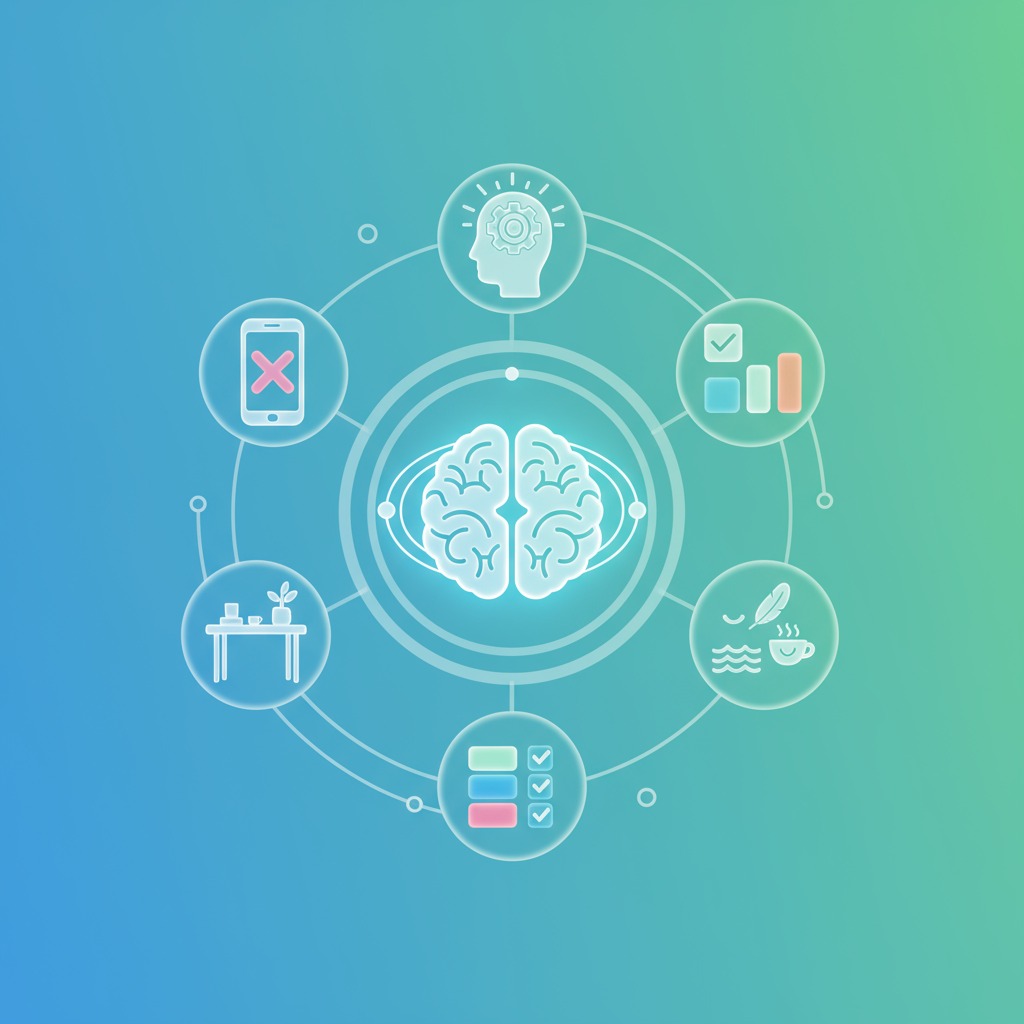
This section highlights the heart of the blog: the seven most powerful digital detox benefits that directly enhance mental clarity, emotional well-being, and productivity, enabling better focus, creativity, and efficient task completion.
Hack 1: Reduced Screen Fatigue for Better Focus
Digital detox benefits start with alleviating screen fatigue, a common issue in today’s work environment. Prolonged exposure to computers, tablets, and smartphones leads to eye strain, headaches, blurred vision, and general mental exhaustion. Surveys suggest that over 60% of office workers experience digital eye strain, which significantly impacts attention, decision-making, and overall productivity.
Implementing short, structured digital breaks is essential. The 20-20-20 rule—looking at something 20 feet away for 20 seconds every 20 minutes—helps reduce eye strain. Additionally, adjusting screen brightness, using blue light filters, and ensuring ergonomic workstation setups further protect eye health. Taking outdoor breaks or practicing mindfulness during these pauses allows both the mind and eyes to reset. With reduced fatigue, employees experience sharper focus, faster task completion, and improved accuracy in their work.
Hack 2: Improved Sleep and Restored Energy
Another critical digital detox benefit is improved sleep quality. Excessive exposure to screens, particularly at night, suppresses melatonin production, disrupting circadian rhythms and leading to insomnia or poor-quality sleep. Lack of restorative sleep reduces energy, slows reaction time, and diminishes cognitive performance.
Setting screen-free zones before bedtime—such as no phones or laptops one hour before sleep—can make a dramatic difference. Replacing evening screen time with reading, meditation, or gentle stretching promotes relaxation. Research indicates that individuals who reduce nighttime screen exposure fall asleep faster, experience deeper sleep, and wake up feeling refreshed. This restored energy contributes to better focus, faster task completion, and sustained productivity throughout the day.
Hack 3: Stronger Attention Span and Concentration
Digital detox benefits also include the restoration of attention span. Constant notifications and multitasking condition the brain for fragmented focus, making it difficult to concentrate on a single task for long periods. Studies show that frequent task-switching can reduce productivity by up to 40%, making deep work almost impossible.
Implementing digital detox strategies, such as designated “focus hours” with no notifications, time-blocking, or using apps that limit distractions, retrains the brain to sustain attention. Over time, these practices enhance working memory, improve learning capacity, and foster more efficient task completion. Even students benefit, as digital breaks enhance study focus, retention, and overall academic performance.
Hack 4: Enhanced Emotional Balance and Stress Reduction
Emotional well-being is another key area where digital detox benefits are evident. Constant screen engagement, especially on social media, can elevate stress levels, trigger anxiety, and create feelings of inadequacy or comparison. Over time, this emotional burden reduces mental clarity and hinders productivity.
Regular digital detox practices, such as phone-free weekends, tech-free lunches, or mindful breathing exercises, help restore emotional balance. By limiting exposure to negative online content and information overload, the brain can recover and regulate stress hormones like cortisol. Improved emotional health translates into calmer decision-making, higher resilience under pressure, and a more focused approach to task completion.

Hack 5: Boosted Creativity and Problem-Solving Skills
Digital detox benefits extend to fostering creativity and enhancing problem-solving abilities. Constant digital stimulation often fills the mind with ready-made solutions and limits original thought. Disconnecting from screens allows the brain to wander freely, encouraging idea generation and innovation.
For instance, writers, designers, and entrepreneurs often find inspiration during offline moments such as walking, journaling, or meditating. Scheduling tech-free mornings or weekend retreats gives the mind space to explore creative solutions without distractions. This improved creative capacity not only enhances personal projects but also leads to more effective problem-solving in professional tasks. Employees who embrace offline thinking often report faster ideation, better strategic planning, and higher-quality outputs.
Hack 6: Strengthened Human Connections and Mindfulness
One often-overlooked digital detox benefit is the improvement of interpersonal relationships and mindfulness. Excessive screen time reduces presence, making conversations fragmented and less meaningful. Social interactions—both personal and professional—suffer, which can lead to weakened relationships and decreased collaboration.
By consciously practicing digital detox, individuals become more attentive and emotionally present. Phone-free dinners, mindful conversations with colleagues, or shared outdoor activities improve empathy, trust, and social bonding. In professional environments, this mindfulness fosters effective teamwork, better communication, and higher emotional intelligence. Moreover, cultivating present-moment awareness reduces stress, promotes clarity, and enhances focus, directly impacting task completion and workplace performance.
Hack 7: Increased Efficiency and Faster Task Completion
Finally, one of the most tangible digital detox benefits is a significant increase in efficiency. Multitasking with constant digital interruptions creates the illusion of productivity but actually slows progress. Research indicates that uninterrupted work can be up to 50% more productive than fragmented, distracted work periods.
Strategies like scheduling device-free focus periods, using time-blocking techniques, and silencing non-essential notifications allow individuals to complete tasks faster and more accurately. For example, dedicating 90 minutes to uninterrupted deep work often achieves better results than juggling multiple digital distractions. Over time, digital detox habits lead to faster task completion, higher-quality outputs, and increased satisfaction from accomplishing work efficiently, creating more time for rest, personal development, and creativity.
5. Creating a Digital Detox Routine
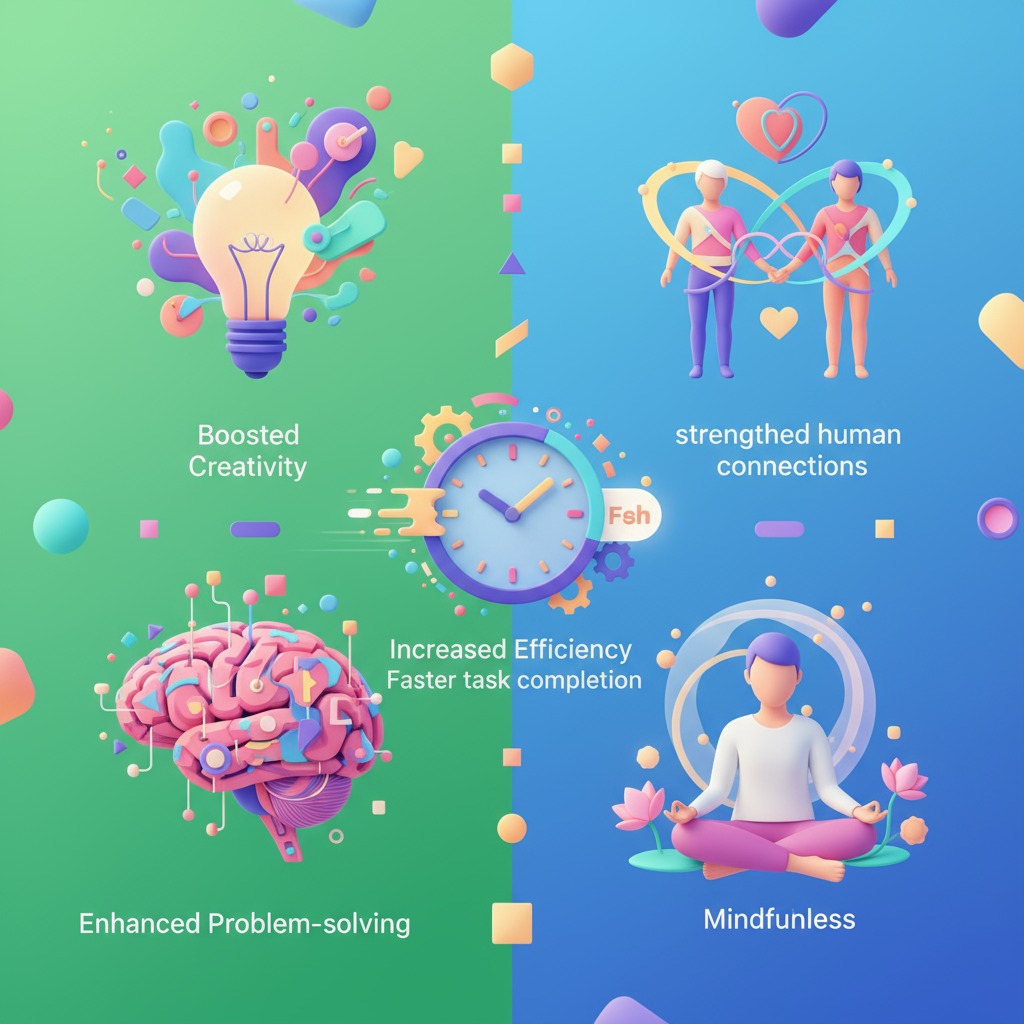
Digital detox benefits are maximized when they are not treated as one-time experiments but integrated into a consistent daily routine. The most effective approach is to start small and gradually build sustainable habits. For example, you can begin with simple actions such as setting aside the first 30 minutes of your morning as a screen-free time. This gives your brain a calm start, free from overwhelming notifications or emails. Similarly, introducing a no-screen policy one hour before bed allows your body to regulate melatonin naturally, leading to better sleep quality.
Practical steps can further strengthen your detox routine. Disabling unnecessary notifications reduces constant interruptions, while using built-in device features like “focus mode” or “do not disturb” creates uninterrupted stretches for work and study. Designating specific zones in your home as “screen-free areas”—such as the dining table, bedroom, or even your study corner—reinforces boundaries between online and offline life.
Equally important is replacing screen time with meaningful offline activities. Instead of mindlessly scrolling social media during breaks, try journaling to reflect on your day, practicing short meditation sessions to recharge mentally, or doing light stretching and yoga to refresh your body. Spending time in nature, gardening, or walking outdoors provides a natural reset, offering calmness and grounding that technology often fails to deliver.
By creating such a balanced routine, you avoid the guilt of “missing out” online while enjoying tangible digital detox benefits. Over time, these small lifestyle shifts compound into higher focus, more productivity, and better overall mental clarity.
6. Long-Term Impact of Digital Detox Benefits
While short-term digital detox benefits include sharper focus, reduced fatigue, and better sleep, the long-term impact is even more powerful and transformative. When practiced consistently, digital detox rewires the brain to function more efficiently. It helps you prioritize deep focus over shallow multitasking, which improves not only your productivity but also the quality of your decisions and problem-solving abilities.
Professionals who adopt digital detox habits often report sustainable career growth. With fewer distractions, they meet deadlines with less stress and maintain creativity without falling into burnout cycles. Students, too, experience better outcomes—improved retention, higher academic performance, and reduced exam-related anxiety—when they replace late-night screen time with rest or mindful study practices.
On a personal level, long-term digital detox benefits include stronger resilience to stress, healthier emotional regulation, and a more balanced lifestyle. Families that consistently set aside tech-free evenings often notice stronger connections, deeper conversations, and a happier household atmosphere. The absence of constant digital noise fosters authentic bonding, which is vital for emotional wellness.
Perhaps the most underrated long-term benefit is the creation of work-life balance. As boundaries between professional and personal life blur in a digital-first world, detoxing ensures you reclaim control. It helps you be fully present at work when required and equally attentive at home or during leisure. Over the years, this consistency results in a lifestyle marked by clarity, energy, emotional stability, and overall life satisfaction.

7. Conclusion
Digital detox benefits are essential strategies for thriving in today’s technology-driven world. Constant screen exposure can overwhelm the brain, cloud mental clarity, disrupt sleep cycles, and delay task completion. These effects, when accumulated over time, reduce productivity, increase stress, and contribute to burnout. By consistently practicing digital detox, individuals regain control over focus, energy, and overall well-being, setting the stage for both personal and professional growth.
Digital detox benefits can be realized through even small, practical daily habits. Scheduling tech-free hours, engaging in offline activities like journaling, meditation, or nature walks, and creating screen-free zones in the home or workspace significantly reduce mental fatigue. These practices enhance concentration, improve decision-making, and enable individuals to complete tasks more efficiently. Over time, the cumulative effects of these habits build stronger cognitive resilience and a sharper, more focused mind.
The long-term impact of digital detox benefits goes beyond productivity. Emotional balance improves as the brain gains space to process thoughts without constant digital interruptions. Stress levels decrease, creativity and problem-solving skills flourish, and overall mental clarity strengthens. Social and family relationships also benefit, as being present without digital distractions fosters deeper connections and more meaningful interactions.
Consistency is the key to reaping the full digital detox benefits. It is not a one-time solution but a lifestyle approach requiring dedication and awareness. Incorporating screen-free time, mindfulness practices, and healthy boundaries into daily routines ensures lasting mental clarity, improved focus, and enhanced performance in professional, academic, and personal spheres. By prioritizing these habits, individuals develop resilience, maintain higher energy levels, and achieve a more balanced, fulfilling life.
Ultimately, digital detox benefits transform the way we approach work, learning, and life. They empower individuals to stay present, productive, and mindful, creating space for meaningful achievements, personal growth, and emotional well-being. By embracing the principles of digital detox, it becomes possible to achieve long-term success, improved task completion, and a healthier, more focused mindset in an increasingly screen-dominated world.