
Table of Contents
1. Introduction – The Truth About Discipline vs. Motivation
Discipline over motivation is the real power behind long-term success. Motivation gives you energy to begin, but discipline gives you strength to continue. Anyone can feel excited in the beginning, but very few continue when things get tough. That is where discipline becomes your biggest advantage. When you act even without feeling motivated, you build real progress. True growth comes from showing up on both good and bad days, not just when you feel inspired.
Most people depend on motivation and wait for the right mood or inspiration. They think, “I’ll start when I feel ready.” But that moment rarely comes. Discipline removes the need to feel ready. It teaches you to act because it matters, not because you feel like it. Motivation is emotional, discipline is a choice. One fades, the other stays. When you stop waiting for perfect energy and begin taking consistent action, you unlock a level of control over your life that motivation alone cannot give.
In life, the people who succeed are not the most motivated ones—they are the most consistent ones. They show up every single day, even when energy is low or life feels uncomfortable. This commitment builds habits, habits build routines, and routines build results. Success is not one big jump—it is many small steps taken again and again. Even champions and top performers rely more on routine than excitement, because they know discipline creates reliable progress.
Discipline over motivation helps you stay strong when challenges appear. When motivation drops, most people stop. But a disciplined person keeps moving. They don’t rely on mood swings or inspiration. Instead, they trust their habits and systems. With time, action becomes automatic and progress becomes effortless. This is how people stay committed to fitness, careers, learning, and personal growth for years—not because they always feel motivated, but because discipline turns effort into a natural rhythm.
We live in a world full of distractions and instant gratification. People want fast results, quick money, immediate success, and zero struggle. But success does not work like that. Discipline teaches patience, long-term thinking, and emotional strength. It helps you ignore shortcuts and focus on real improvement. When you stop chasing instant results and begin valuing gradual progress, you build a foundation that cannot be shaken by stress or temporary failure.
Another benefit of discipline is self-respect. When you keep promises to yourself, your confidence grows. You start believing in your abilities. This inner belief becomes stronger than motivation. You stop doubting yourself and start trusting your actions. You realize that discipline builds the person you admire. Every time you show up even when you don’t feel like it, you prove to yourself that you can rely on your own effort. That feeling is more powerful than a motivational speech.
Finally, discipline over motivation shapes your identity. You stop saying “I want to do things someday” and start saying “I am someone who does things.” This mindset shift changes your life. Once discipline becomes part of who you are, success becomes a natural result. Not a dream, not a wish—but a habit. You no longer chase motivation—you create momentum through consistent daily action. Real discipline turns your lifestyle into your biggest strength and your dreams into reality over time.
2. Understanding the Difference Between Motivation and Discipline
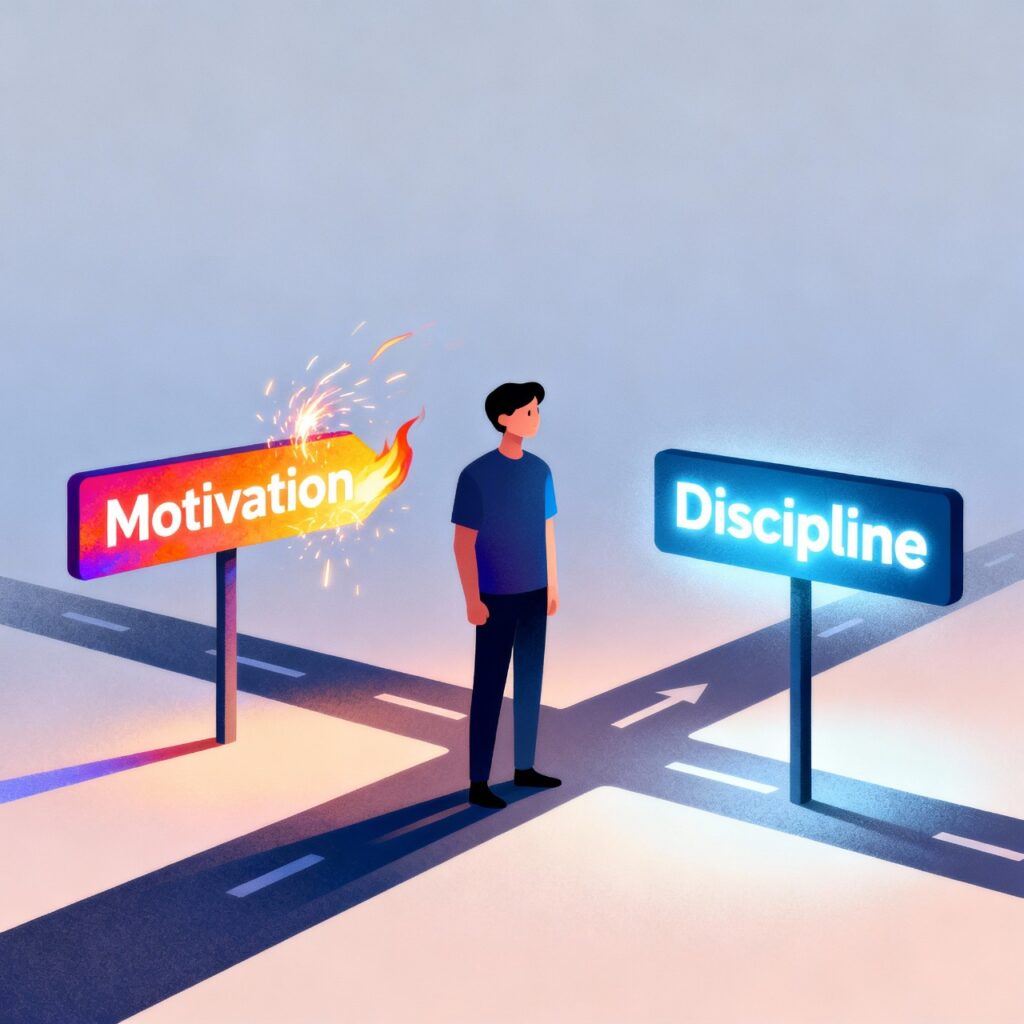
Discipline over motivation begins with understanding the real difference between the two. Motivation is a feeling—it comes and goes based on mood, environment, and energy. It rises when everything feels exciting and falls the moment things get stressful. Discipline, however, is a decision. It is a commitment you make to yourself regardless of how you feel in the moment. When you rely on motivation alone, progress becomes unstable. But when you rely on discipline, progress becomes steady and predictable, turning short bursts of inspiration into long-term habits.
Think about starting a new habit like waking up early, working out, journaling, or studying. At first, motivation drives you. You feel inspired, hopeful, and full of energy. But sooner or later, tiredness, laziness, distractions, or self-doubt appear. That is when most people quit. Discipline over motivation is what makes you continue even through the uncomfortable moments. Discipline is the promise you keep with yourself when motivation is silent, and it’s what keeps your goals alive when enthusiasm fades away.
Motivation is like fuel in a sports car—powerful but limited. Discipline is like the engine—it works every single day, even when the fuel is low. Discipline builds habits that take over when motivation is weak. Once something becomes a routine, you no longer need emotional energy to do it—you just do it automatically. That’s why successful people choose discipline over motivation; they understand that real growth comes from consistency, not excitement.
Another difference lies in where each originates. Motivation is often external—you might feel motivated after watching a speech, reading an inspiring story, or seeing someone else succeed. But discipline is internal. It’s born from self-respect, clarity, and purpose. Discipline grows through repetition—by showing up, even when no one’s watching. Discipline over motivation becomes a mindset that strengthens your inner willpower far beyond momentary inspiration.
Many people assume motivation leads to action, but the truth is the opposite—action leads to motivation. When you take the first step, even without feeling ready, your brain releases energy and confidence. Each completed action reinforces your belief that you can handle challenges. Over time, discipline creates its own motivation. You stop waiting for the right moment—you make every moment right by acting with intention and focus.
Discipline over motivation also builds emotional strength. Motivation works when life feels easy, but discipline works when life feels difficult. It helps you handle frustration, boredom, and fatigue without quitting. This emotional stability becomes your greatest advantage because long-term success depends more on patience than passion. Discipline trains your mind to stay calm, focused, and determined even when progress feels slow.
Ultimately, understanding this difference transforms your life. You stop glorifying fleeting motivation and start valuing structure, persistence, and commitment. You realize that feelings can’t be trusted to shape your future—but disciplined action can. When you shift from “I feel like doing it” to “I will do it no matter what,” you unlock a level of strength that turns potential into progress. Discipline over motivation isn’t just a habit—it’s a way of living that separates short-term effort from lasting success.
3. The Psychology Behind Consistency and Long-Term Success
Discipline over motivation becomes powerful when you understand what happens inside your mind as you stay consistent. Motivation rises and falls based on emotions, but discipline builds a steady inner foundation. When you repeat a behavior over time, your brain learns that action is part of your identity. You stop forcing yourself to work and start feeling natural about it. This psychological shift is what separates temporary success from lifelong achievement.
Discipline over motivation works because your brain values repeated actions more than sudden bursts of effort. When you do something every day, even in a small way, your brain forms strong habit loops. Over time, this habit runs automatically, reducing the need for motivation or willpower. For example, at first you push yourself to wake up early, but soon it becomes routine and requires less effort. Small actions, when done daily, create massive long-term results.
Consistency builds neural pathways. When you keep practicing good habits like reading, exercising, or learning, your brain wires itself to support those habits. This process triggers emotional stability, higher focus, and better decision making. You begin feeling more in control of your life. People who stick to routines develop stronger self-belief because they see real progress over time, not just temporary motivation.
The brain also rewards discipline through the release of dopamine, the chemical responsible for happiness and satisfaction. Unlike the short-lived happiness from instant motivation, discipline gives long-lasting fulfillment. Every time you finish a difficult task, your brain rewards you. This makes you more confident and encourages you to continue your journey with determination. Over time, your mindset shifts from seeking comfort to seeking growth.
Another psychological benefit of consistency is resilience. When discipline becomes a habit, challenges feel less scary. You learn to push through discomfort instead of avoiding it. Instead of quitting when things feel hard, you look for solutions. This mindset makes you mentally tougher. Successful people are not born special—they train their minds through consistent disciplined actions even when motivation disappears.
Discipline also increases mental clarity. When you follow routines, your mind becomes less confused and distracted. You stop wasting time thinking what to do next. You become more focused, calm, and productive. This sense of structure boosts self-control and reduces stress. You start trusting yourself more because you see yourself taking action daily instead of waiting for motivation to strike.
Finally, the greatest power of discipline is identity transformation. When you show up every day, even in small ways, you start seeing yourself as someone reliable and strong. You no longer depend on inspiration—you depend on your habits. You build an identity rooted in patience, self-belief, and steady effort. This shift helps you succeed not just in goals, but in life, relationships, mindset, and personal growth. Discipline does not just create success—it creates a better, stronger version of you.
4. 5 Consistency Habits That Strengthen Discipline Over Motivation
Building discipline over motivation means committing to actions even when motivation disappears. Anyone can work when they feel excited, but the real advantage comes when you keep going on low-energy days, slow days, and uncomfortable days. These five habits help you build consistency, emotional strength, and long-term discipline that supports success in every area of life.
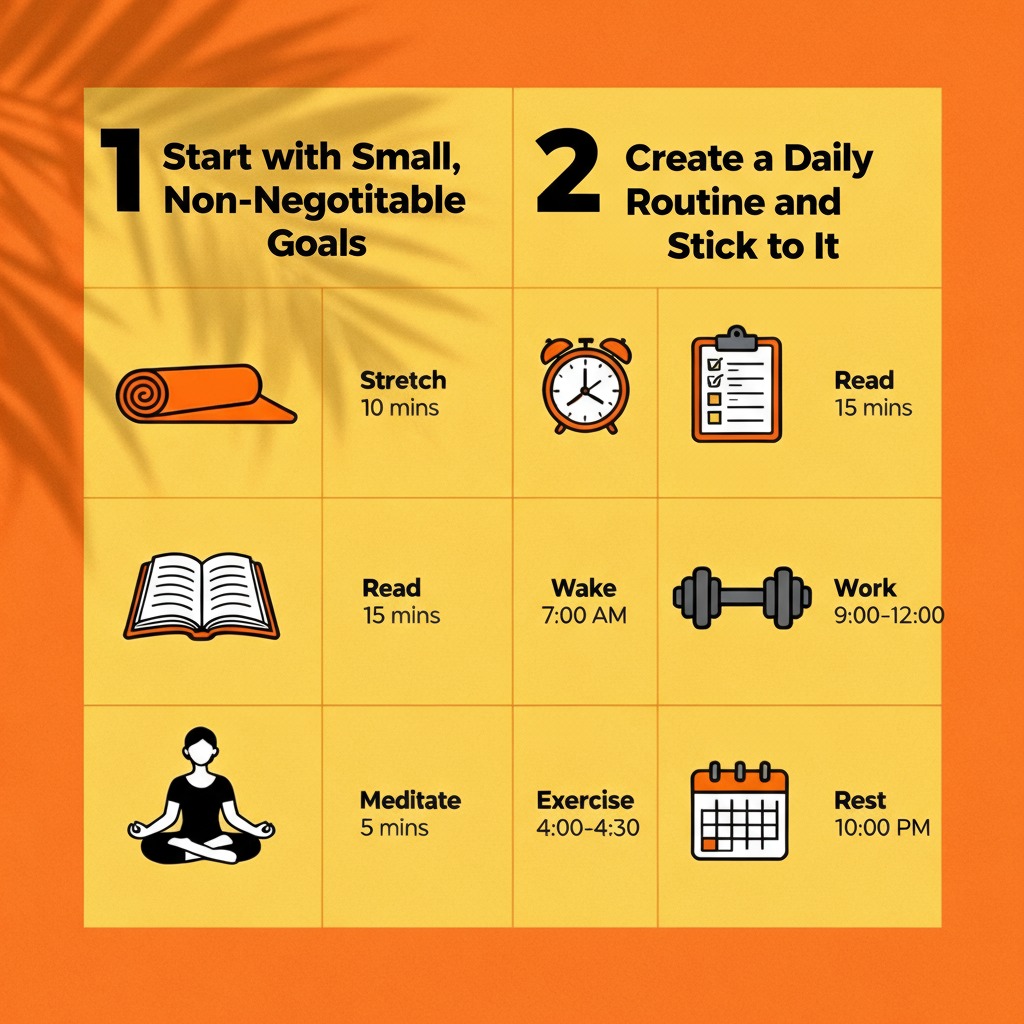
Habit 1: Start with Small, Non-Negotiable Goals
Discipline over motivation grows strongest when you begin with tiny, simple commitments. Many people start big and burn out fast. They plan dramatic routines like morning workouts for one hour, reading a full book every week, or rebuilding their life overnight. But when motivation fades, everything collapses. Instead, commit to small actions that feel impossible to skip.
Start with habits like stretching for five minutes, reading five pages, or meditating for three minutes. These small actions do not seem powerful at first, but they build consistency and brain conditioning. You teach your mind that showing up is non negotiable, no matter the mood. With time, your confidence increases because you prove to yourself daily that you follow through. Small steps multiply and discipline over motivation becomes your natural thinking and behavior pattern.
Little consistency beats big intensity. When you stack small wins, you train your identity. You stop saying “I will try” and start saying “I always follow through.” This identity shift creates unstoppable discipline. Soon, your brain sees commitment as normal and excuses as weakness. When discipline over motivation becomes part of who you are, growth becomes steady and long lasting.
Habit 2: Create a Daily Routine and Stick to It
Discipline over motivation thrives when your day has structure. Motivation relies on emotion but routines rely on systems. When you plan your day in advance, your brain wastes less energy deciding what to do next. Decision fatigue reduces performance, but routines protect your focus, time, and energy.
Create fixed time blocks for waking up, work, learning, exercise, personal growth, and rest. Even adding structure to only morning and evening routines creates stability. When your daily life moves with rhythm, discipline becomes easier because you stop negotiating with your feelings. Over time, your routine becomes a supportive environment instead of a restriction. It gives you clarity, protects your priorities, and pushes you toward goals even when motivation is absent.
This is where discipline over motivation becomes powerful. Routines remove emotional excuses. You do not ask “Do I feel like doing this?” You do it because it is who you are becoming. The more you follow a routine, the less energy you waste thinking, planning, doubting, and restarting. Routine becomes your foundation for discipline and long term consistency.
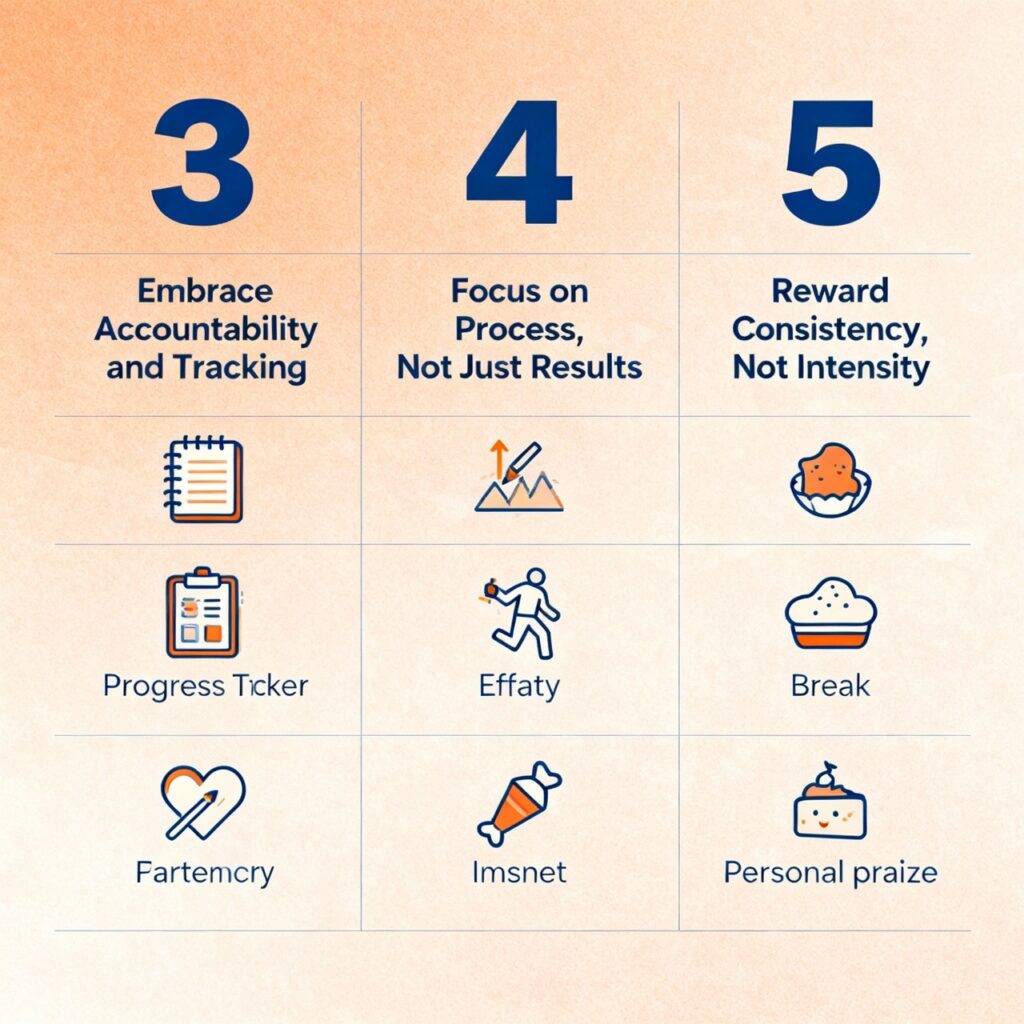
Habit 3: Embrace Accountability and Tracking
Discipline over motivation strengthens when you track your behavior and hold yourself accountable. Motivation gives temporary excitement, but accountability builds lasting momentum. Journaling your habits, checking a progress tracker, or reviewing each day helps you stay honest with yourself. When you see written proof of your effort or gaps, your awareness increases.
This habit also forces you to reflect: Why did you skip a task? Was it lack of time, energy, or planning? Awareness leads to improvement. You can also create accountability through a partner, mentor, or group. When someone else knows your goals, commitment increases naturally. This external pressure helps you stay responsible. Accountability develops maturity, because winning is not about feeling inspired, it is about fulfilling promises consistently.
Tracking progress gives you visible proof that discipline over motivation works. Each checkmark or streak boosts confidence. You stop relying on emotional highs and start trusting your effort. Tracking turns your journey into something real and measurable, and progress feels rewarding every day.
Habit 4: Focus on Process, Not Just Results
Discipline over motivation grows when you fall in love with effort instead of obsessing over fast outcomes. Many people quit because they measure success too soon. They want instant progress, quick results, and immediate transformation. When that does not happen, they blame themselves and stop trying. Real success comes from slow, steady repetition.
Shifting your focus to the process frees you from emotional pressure. Instead of thinking “Why am I not improving yet?” think “Am I showing up daily and improving even a little?” When you value practice, discipline becomes natural and enjoyable. Progress becomes your reward, not perfection. You begin to trust the journey, accept slow improvement, and stay consistent even during hard phases. True transformation happens when consistency becomes more important than speed.
This mindset builds discipline over motivation in your everyday life. When effort becomes your pride, challenges stop intimidating you. Setbacks become training, not failure. You learn to enjoy small improvements, stay steady, and grow even when results are invisible.
Habit 5: Reward Consistency, Not Intensity
Discipline over motivation becomes easier when you celebrate effort, not only achievements. Many people only reward big success, which makes small progress feel meaningless. Instead, acknowledge your discipline every time you show up. Appreciate your consistent actions, because they shape your identity and mindset.
Reward yourself with small things like a break, a treat, personal praise, or a peaceful moment. This tells your brain that effort is valuable. When your mind feels supported, discipline becomes easier and more enjoyable. You stop forcing yourself and start feeling proud of your progress. Consistency becomes natural and self driven, not stressful.
When you reward effort, your brain learns that discipline over motivation brings satisfaction. You stop waiting for big achievements to feel successful—you feel progress every day. Discipline becomes a lifestyle, and even when life gets tough, you do not quit because consistency becomes who you are.
5. Conclusion
Discipline over motivation is the real force that creates lasting success. Motivation feels exciting and gives you a push, but it never lasts forever. Some days you feel inspired, but on other days you feel tired, bored, or unmotivated. That is where discipline becomes your strength. When you act even without energy, you train yourself to keep moving. That mindset builds real progress over a long period of time.
Discipline over motivation helps you build habits that slowly shape your life. Small daily actions like waking up on time, working on your goals, learning something new, or exercising even for a few minutes add up over time. These actions may feel small in the moment, but they create a strong foundation. Success is not built in big moments; it is built in quiet, consistent effort day after day.
Discipline over motivation also teaches you emotional control. You stop waiting for the perfect mood or the perfect day. Instead, you act because your goals matter. You learn to handle distractions, avoid excuses, and stay focused even when life feels busy or difficult. This builds mental strength and maturity. You stop being controlled by emotions and start guiding your own life with intention.
Discipline over motivation becomes easier when you use support systems like routines, tracking your progress, accountability, and rewarding consistency. These habits make your journey more structured and stable. You train your mind to follow a clear direction instead of jumping from one idea to another. Slowly, discipline becomes a natural part of your identity, not something you force yourself to do.
With time, something powerful happens: discipline builds self trust. Every time you show up, you prove to yourself that you can rely on your own actions. Your confidence becomes real and strong because it is based on effort, not temporary motivation. You begin to believe in your ability to change your life because you have evidence that you take consistent action, even on tough days.
Discipline over motivation also brings long term peace and stability. When you work daily toward your goals, life feels purposeful. Challenges feel manageable, and progress becomes steady. You stop feeling stressed about quick results or comparing yourself to others. Instead, you respect your journey and appreciate every step you take. Success becomes a process you enjoy, not a race you rush.
In the end, choosing discipline over motivation gives you freedom. Freedom to grow, freedom to stay focused, and freedom from the ups and downs of emotional motivation. It becomes your lifestyle, not a temporary phase. When you live with discipline, you move closer to your best self every day. You do not just dream about success—you build it patiently, consistently, and confidently. That is how long term achievements and meaningful personal growth truly happen.