
1. Introduction
Emotional intelligence skills have become essential in today’s fast-paced, interconnected world where stress, competition, and constant digital communication dominate everyday life. While people have always prioritized intellectual intelligence, education, and technical proficiency, emotional understanding often takes a back seat. Yet, the ability to manage one’s emotions and empathize with others is what determines success and stability in both personal and professional spheres. Emotional intelligence skills provide the foundation for inner balance, strong relationships, and long-term happiness.
In modern society, emotional well-being plays a defining role in how individuals handle stress, resolve conflicts, and build meaningful bonds. People with strong emotional intelligence are more self-aware—they understand how their feelings influence behavior and how to respond instead of react. This quality not only prevents unnecessary misunderstandings but also helps them remain calm under pressure. More importantly, emotional intelligence is not just about controlling emotions—it’s about embracing them, interpreting them correctly, and channeling them constructively.
Developing emotional intelligence skills enhances both self-growth and relationship improvement. It equips individuals with resilience skills, allowing them to adapt to challenges and recover from setbacks more effectively. In a world where external situations can often be unpredictable, emotional intelligence becomes a compass that guides thoughts, words, and actions toward positivity and growth.
2. Emotional Intelligence Skills: Understanding and Their Importance
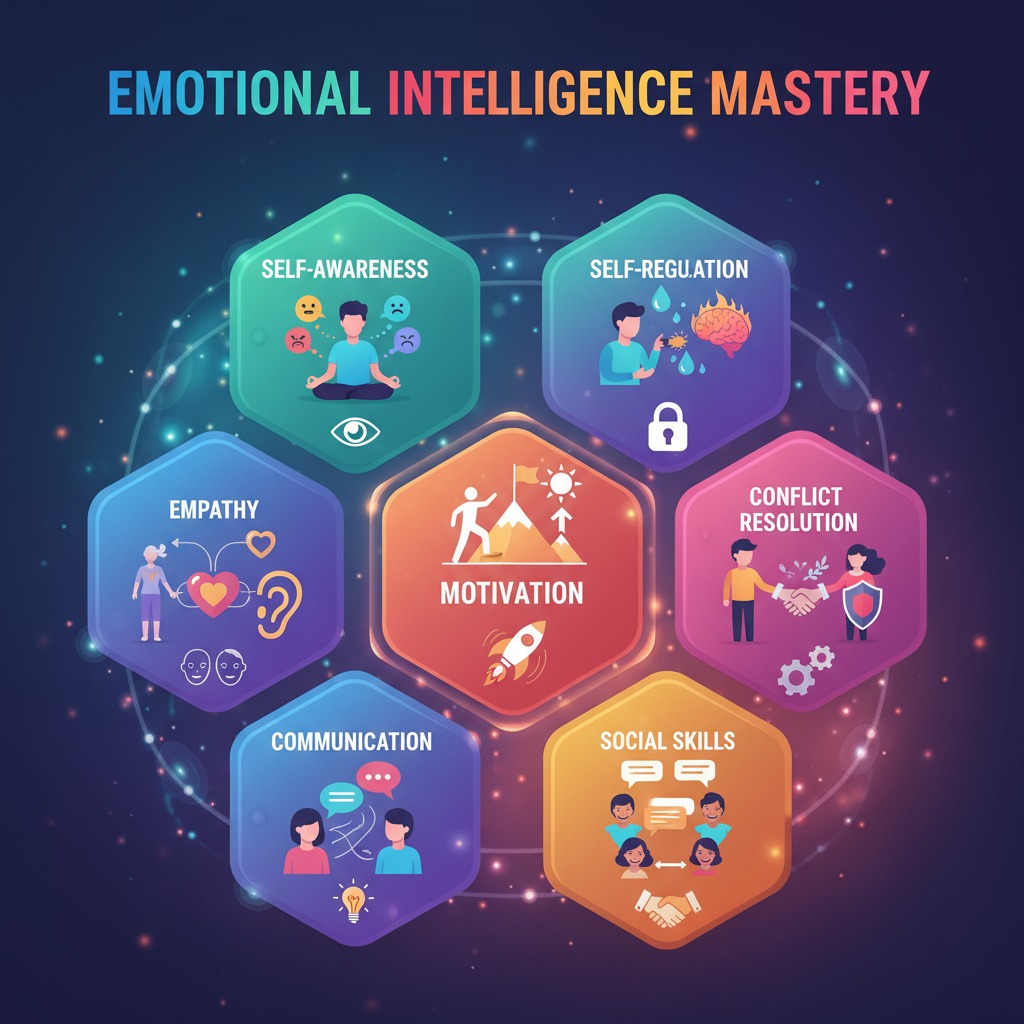
Emotional intelligence skills refer to the ability to perceive, interpret, and manage emotions—both within oneself and in interactions with others. These skills form the backbone of personal development, social awareness, and effective communication. Unlike IQ, which measures intellectual ability, emotional intelligence (EI) measures emotional awareness and adaptability. Psychologist Daniel Goleman identified five main components of EI: self-awareness, self-regulation, motivation, empathy, and social skills.
Self-awareness allows individuals to recognize their emotional triggers, strengths, and weaknesses. When one becomes aware of their emotional patterns, they can make better decisions and avoid impulsive reactions. Self-regulation refers to managing emotions in ways that promote positive outcomes instead of stress or conflict. This includes staying composed during disagreements, thinking before speaking, and choosing calm responses over anger or frustration.
Motivation is another crucial element—it fuels persistence and optimism even during difficult times. Emotionally intelligent individuals are self-driven, meaning they do not rely solely on external rewards or approval. Empathy, perhaps the most transformative component, enables people to understand and connect with the feelings of others. It fosters compassion, patience, and kindness, making relationships stronger and more fulfilling. Finally, social skills tie all components together, helping individuals navigate different personalities and environments successfully.
The importance of emotional intelligence skills cannot be overstated. In workplaces, they promote teamwork, leadership, and conflict resolution. In personal life, they strengthen family bonds, friendships, and romantic relationships. People with high EI experience better mental health, higher self-esteem, and greater resilience. Emotional intelligence creates the foundation for emotional maturity—allowing individuals to balance heart and mind in every aspect of life.
3. Emotional Intelligence Skills and Relationship Improvement
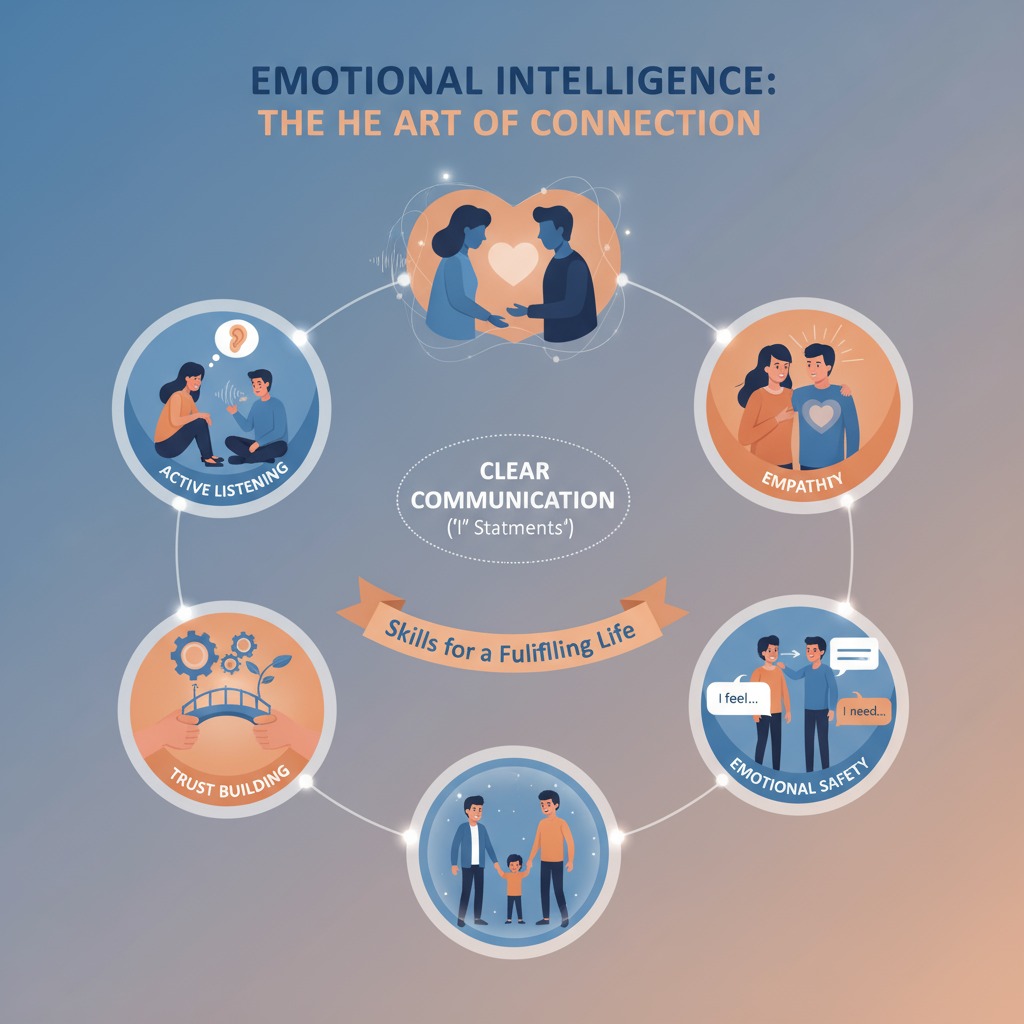
Emotional intelligence skills directly influence relationship improvement by teaching people how to connect on a deeper emotional level. Relationships flourish when communication is clear, empathy is practiced, and understanding replaces judgment. Emotionally intelligent individuals are skilled at managing their emotions and responding thoughtfully, which helps them avoid unnecessary conflict. They remain calm, listen actively, and validate others’ feelings—three qualities that form the heart of meaningful connections.
When emotions are left unmanaged, misunderstandings can escalate quickly. Emotional intelligence helps prevent this by promoting self-awareness and empathy. For instance, instead of reacting with anger when criticized, a person with high emotional intelligence pauses to consider the intent behind the comment. They seek understanding rather than retaliation. This approach not only diffuses tension but also builds trust.
Emotional intelligence skills also improve communication quality. Instead of bottling up emotions or expressing them impulsively, emotionally intelligent people articulate their thoughts with clarity and respect. They use “I” statements, such as “I feel hurt when…” instead of “You always…,” which prevents defensiveness and opens pathways for resolution. Through empathy and patience, they build emotional safety—a space where others feel understood and accepted.
Furthermore, emotional intelligence strengthens romantic and familial relationships. Partners who understand each other’s emotional needs tend to experience fewer arguments and greater intimacy. In friendships and workplaces, emotionally intelligent individuals create harmony by recognizing others’ boundaries, showing appreciation, and being sensitive to differing perspectives. These practices enhance trust, reduce emotional friction, and nurture long-term bonds. Relationship improvement, therefore, begins with emotional awareness and a willingness to grow emotionally.
4. Emotional Intelligence Skills for Developing Resilience Skills
Emotional intelligence skills are the foundation of resilience—the ability to bounce back from stress, setbacks, and emotional pain. Resilience does not mean avoiding difficulties; it means facing them with strength, adaptability, and optimism. Emotional intelligence helps individuals understand their emotions during challenging times, enabling them to respond with clarity rather than panic.
When faced with obstacles, emotionally intelligent individuals are less likely to be overwhelmed. They recognize emotions like fear, sadness, or frustration without letting them take control. Instead of suppressing emotions, they process them through reflection, journaling, or conversation. This awareness prevents emotional buildup and encourages healthy coping mechanisms. Emotional intelligence teaches individuals that emotions are temporary and that calm observation often leads to better decisions.
Resilience also requires emotional flexibility—the ability to adapt to changing situations without losing balance. Emotional intelligence nurtures this flexibility by promoting self-regulation and mindfulness. When people can manage stress effectively, they remain composed even under pressure. For instance, practicing deep breathing or meditation helps control emotional surges, bringing a sense of calm.
Empathy also plays a crucial role in resilience. Understanding that others face struggles, too, creates a sense of shared humanity and reduces feelings of isolation. Moreover, emotional intelligence promotes optimism. Emotionally aware individuals focus on solutions rather than dwelling on failures. They interpret setbacks as learning experiences and use them to grow stronger emotionally and mentally.
Ultimately, resilience is not about being unaffected by pain—it’s about using emotional intelligence to rise above it. Those who master emotional understanding find stability even amid uncertainty, turning challenges into opportunities for growth.
5. 7 Effective Emotional Intelligence Skills to Practice Daily
Developing strong emotional intelligence skills is a lifelong process that helps individuals achieve inner balance, strengthen relationships, and handle challenges with calmness and confidence. These skills are not inherited traits but are cultivated through awareness, empathy, and continuous self-reflection. Practicing them regularly enhances relationship improvement, builds resilience skills, and nurtures mental clarity and emotional maturity. Below are seven powerful ways to practice and integrate emotional intelligence skills into daily life for lasting personal and professional growth.
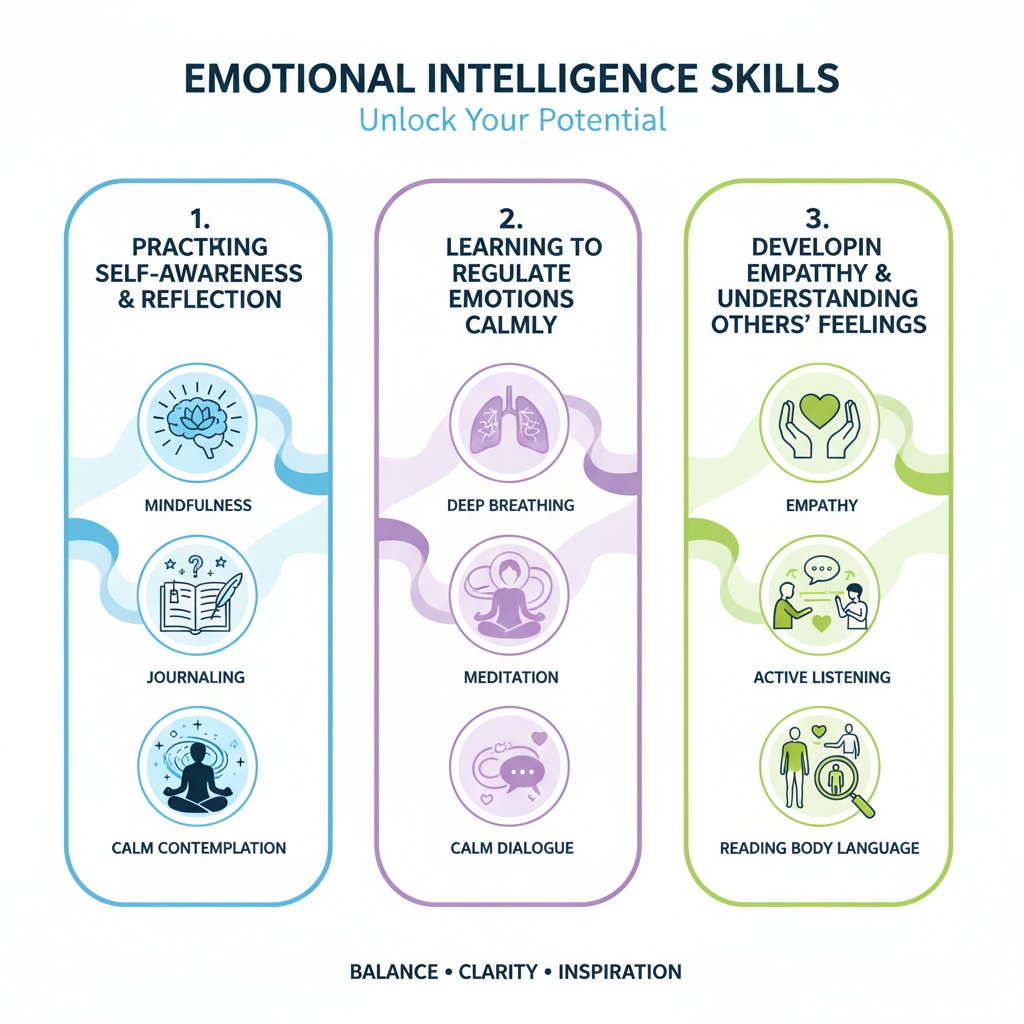
Way 1: Practicing Self-Awareness and Reflection
The foundation of emotional intelligence skills lies in self-awareness—the ability to understand one’s emotions, thoughts, and behaviors in real time. When individuals learn to observe their reactions instead of acting impulsively, they develop a deeper sense of control and clarity. Self-awareness can be cultivated through mindfulness, journaling, or setting aside a few minutes daily for self-reflection.
Recognizing emotional triggers helps in identifying core beliefs and understanding why certain situations affect one’s mood. This conscious reflection allows for growth and maturity. As people become more aware of their inner world, they begin to make choices that align with their values rather than fleeting emotions. Over time, this awareness builds emotional strength, confidence, and authenticity, which form the heart of emotional balance.
Way 2: Learning to Regulate Emotions Calmly
Emotional regulation is one of the most vital emotional intelligence skills. It enables individuals to manage intense emotions like anger, anxiety, or frustration without losing composure. Instead of reacting impulsively, emotionally intelligent people learn to pause, breathe, and respond thoughtfully. Techniques such as meditation, deep breathing, and reframing thoughts help regulate emotions effectively.
Emotional regulation also involves self-discipline—choosing calmness when chaos surrounds you. It does not mean suppressing emotions but channeling them constructively. For example, expressing anger through calm dialogue rather than shouting fosters understanding instead of conflict. This skill promotes resilience, mental clarity, and peace, allowing individuals to maintain balance even in high-pressure environments.
Way 3: Developing Empathy and Understanding Others’ Feelings
Empathy is the soul of emotional intelligence skills. It allows individuals to connect with others by understanding their perspectives and emotions. Empathetic people are not just good listeners—they can sense what others feel, even when words are unspoken. Practicing empathy involves paying attention to body language, tone, and emotional cues.
It requires one to step outside their own viewpoint and consider what the other person might be experiencing. Developing empathy helps dissolve misunderstandings, fosters trust, and deepens emotional bonds. Whether at home, work, or in friendships, empathy encourages harmony and mutual respect. Emotionally intelligent individuals use empathy not only to comfort others but also to inspire, support, and strengthen relationships in meaningful ways.
Way 4: Improving Active Listening Habits
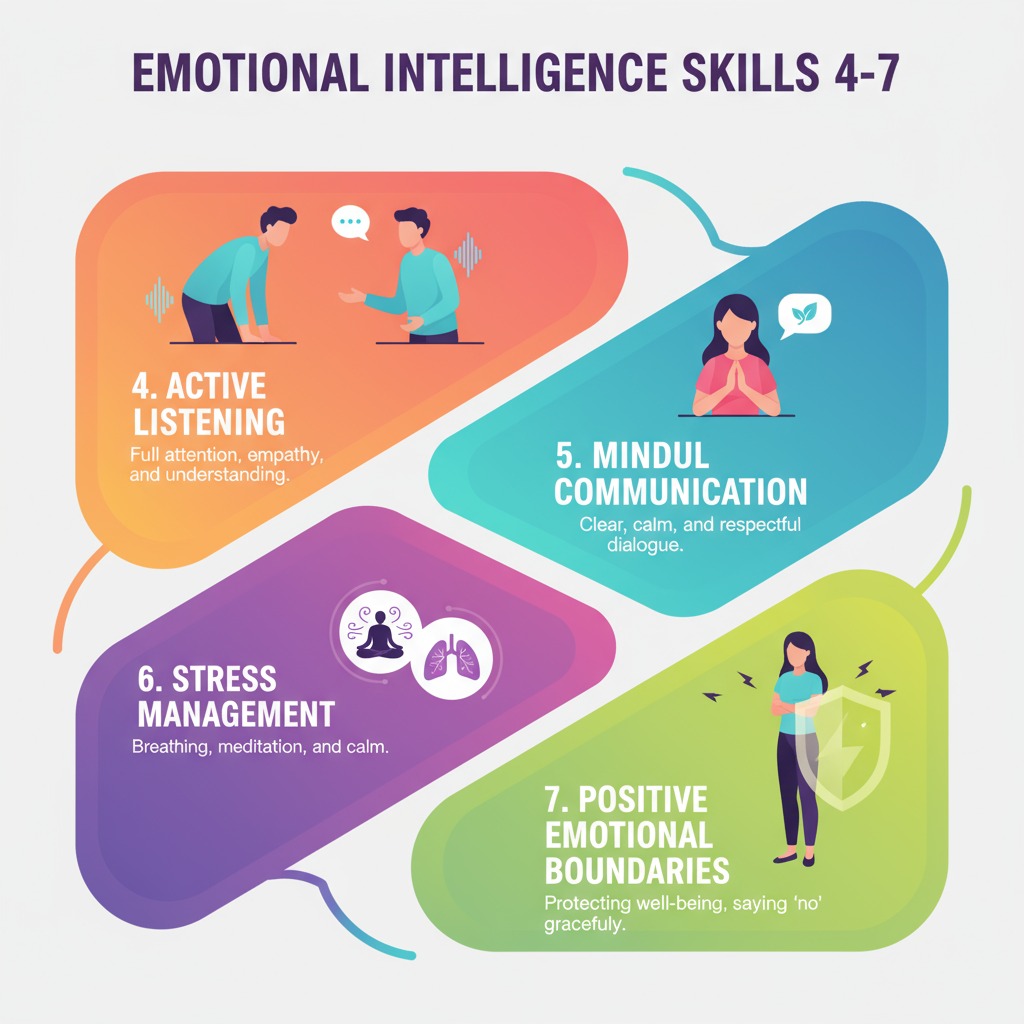
Active listening is more than hearing words—it’s about being fully engaged in the moment and understanding the speaker’s emotions and intentions. People with strong emotional intelligence skills practice active listening by giving undivided attention, avoiding interruptions, and responding thoughtfully. This habit builds emotional trust and creates an environment of openness and respect.
When individuals feel heard and validated, it enhances relationship satisfaction and reduces emotional distance. Practicing active listening improves teamwork, leadership, and conflict resolution. By listening to understand rather than to reply, emotionally intelligent individuals cultivate compassion, patience, and clarity—qualities essential for effective communication and emotional harmony.
Way 5: Communicating with Mindfulness and Respect
Mindful communication lies at the core of emotional intelligence skills. It involves speaking thoughtfully, choosing words with care, and expressing feelings honestly without aggression or blame. Communication guided by mindfulness encourages transparency and reduces misunderstandings. For example, using statements like “I feel hurt when this happens” instead of “You hurt me” promotes accountability and respect.
Mindful communicators are also emotionally aware—they know when to speak, when to listen, and how to respond with empathy. This approach strengthens trust, nurtures respect, and builds emotional safety in relationships. Over time, mindful communication transforms conflicts into opportunities for connection and understanding, leading to deeper and more meaningful interactions.
Way 6: Managing Stress Through Breathing and Meditation
Managing stress effectively is an essential part of emotional mastery. Emotional intelligence skills equip individuals to handle pressure without emotional exhaustion. Stress management through mindfulness, breathing techniques, or yoga helps calm the nervous system and restore balance. Deep breathing and guided meditation increase focus, while progressive muscle relaxation reduces anxiety.
By staying mindful, individuals prevent small frustrations from turning into emotional outbursts. Emotional resilience grows stronger when the mind learns to remain centered amid challenges. Managing stress not only improves emotional health but also enhances productivity, creativity, and patience. In the long run, mastering this skill transforms emotional turmoil into strength and composure.
Way 7: Building Positive Emotional Boundaries
Building emotional boundaries is one of the most empowering emotional intelligence skills. Boundaries protect emotional energy, prevent burnout, and promote self-respect. Setting limits on how much time, energy, or attention one gives ensures emotional balance. It is not about creating distance but maintaining mutual respect.
For example, saying no to unhealthy demands or stepping away from toxic environments reflects maturity and self-worth. Boundaries also help individuals distinguish between their emotions and others’, reducing unnecessary stress and guilt. Establishing such boundaries allows for authentic relationships built on trust, freedom, and emotional safety. Over time, it strengthens confidence, self-care, and personal peace.
Practicing these seven emotional intelligence skills daily can profoundly transform one’s emotional world. They nurture relationship improvement by encouraging empathy, communication, and understanding, while also strengthening resilience skills that promote stability and courage. As individuals cultivate these habits consistently, they not only achieve emotional balance but also create a life of compassion, self-awareness, and lasting fulfillment.
6. Overcoming Challenges in Emotional Growth
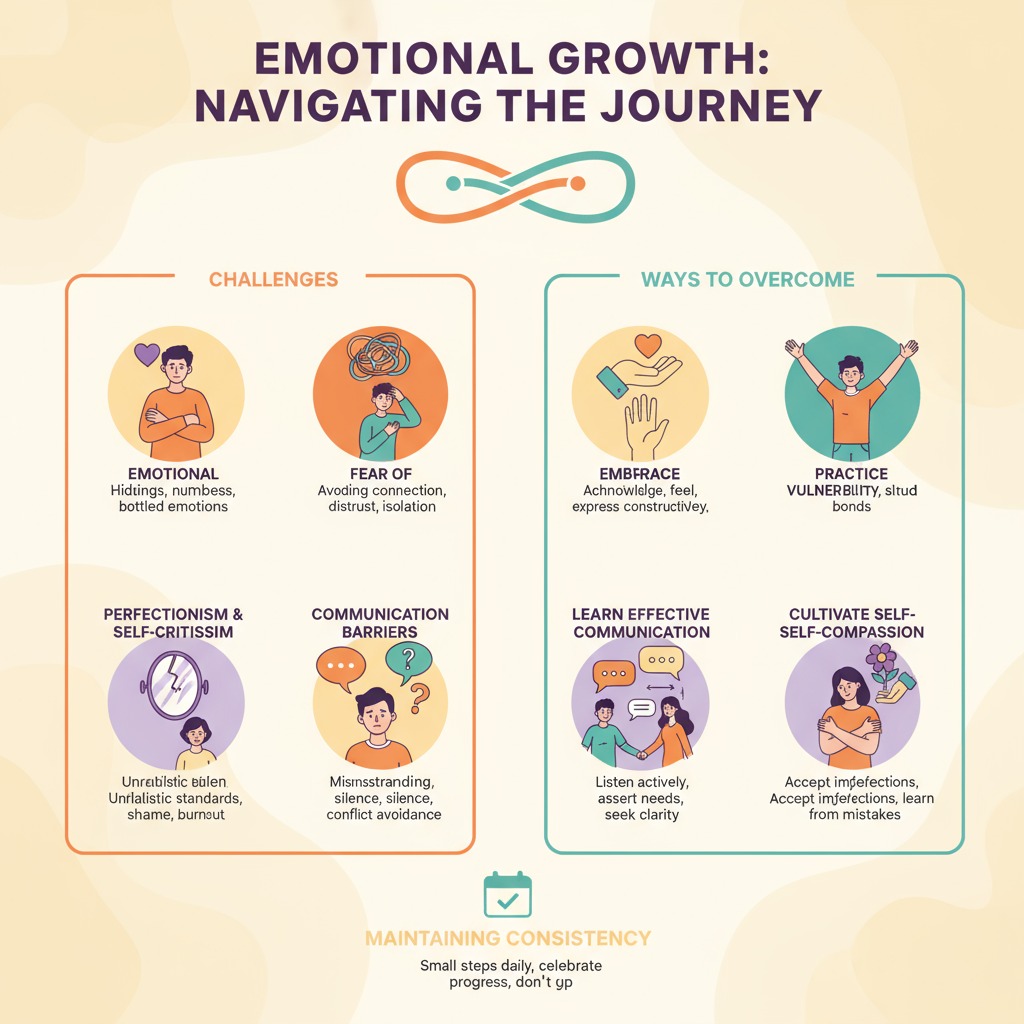
Developing emotional intelligence skills is deeply rewarding, but it also comes with challenges that test patience, vulnerability, and self-discipline. Many individuals struggle with emotional suppression, fear of judgment, communication barriers, or perfectionism, all of which can slow emotional progress. However, recognizing these obstacles and addressing them consciously leads to profound growth and self-awareness.
Emotional suppression is one of the most common barriers. From a young age, many people are taught to hide feelings like anger, sadness, or fear to appear “strong.” However, suppressed emotions don’t disappear—they resurface as stress, anxiety, or resentment. Emotional intelligence teaches that acknowledging feelings is not weakness but wisdom. By allowing emotions to surface without judgment, individuals gain insight into their inner world and begin to heal emotionally. Journaling or mindfulness can help in expressing these emotions safely, fostering emotional clarity and self-acceptance.
Fear of vulnerability is another challenge. Many individuals avoid showing emotions to protect themselves from rejection or criticism. Yet, vulnerability is the foundation of authentic relationships. Opening up to trusted friends or family about feelings creates emotional safety and deeper connections. Vulnerability allows honesty to replace pretense, making relationships stronger and more genuine. Emotionally intelligent individuals embrace vulnerability as a strength—a sign of courage, trust, and emotional openness.
Communication barriers also hinder emotional growth. People who fear expressing their emotions often internalize pain, which eventually leads to disconnection. Developing communication skills through active listening, empathy, and assertiveness can overcome this. Speaking clearly about one’s needs and boundaries promotes understanding and emotional trust. Mindful communication reduces misunderstandings and cultivates emotional maturity, strengthening both personal and professional relationships.
Perfectionism and self-criticism can further block progress. Many believe they must master emotions flawlessly, but emotional intelligence is not about perfection—it’s about awareness and progress. Practicing self-compassion helps replace harsh self-talk with patience and understanding. Every mistake becomes a learning opportunity rather than a failure. Emotional growth requires forgiveness, both for oneself and others.
Finally, maintaining consistency in emotional development is often the hardest challenge. Life’s unpredictable nature can disrupt emotional practices, but small daily efforts—such as gratitude journaling, reflection, and meditation—ensure steady progress. Seeking professional guidance or support groups can also help maintain emotional stability and provide encouragement. Emotional growth is not a straight path but a gradual journey of learning, adapting, and evolving with time.
Overcoming these challenges requires courage, patience, and commitment. Each obstacle offers a chance to strengthen resilience, deepen awareness, and move closer to emotional mastery. When individuals approach these challenges with openness and consistency, emotional intelligence skills become a way of life rather than a practice.
7. Conclusion
Emotional intelligence skills are the foundation of personal growth, healthy relationships, and mental peace. They bridge the gap between emotion and reason, helping individuals navigate life with empathy, awareness, and strength. Developing emotional intelligence is not a short-term goal but a lifelong journey of reflection, compassion, and continuous learning. When practiced regularly, it transforms how people perceive themselves and interact with the world.
Through emotional intelligence skills, individuals learn to manage their emotions with grace and respond thoughtfully to challenges. Relationships flourish because understanding replaces conflict, and trust replaces fear. Resilience grows as emotional balance allows faster recovery from setbacks and disappointments. Emotional intelligence also enhances leadership, teamwork, and creativity, empowering individuals to make wiser decisions and lead with empathy.
The beauty of emotional intelligence lies in its power to convert emotions into strength. By embracing every emotion—joy, sadness, anger, or fear—as a teacher, individuals cultivate self-awareness, patience, and authenticity. This emotional clarity leads to peace within and compassion toward others.
Ultimately, emotional intelligence skills are not just psychological tools—they are guiding principles for a meaningful, balanced, and fulfilling life. When individuals nurture emotional understanding daily, they not only grow stronger from within but also spread empathy and kindness to the world around them. True emotional intelligence is the art of turning inner awareness into outer harmony—a lifelong practice that leads to deeper happiness, stability, and purpose.
Moreover, developing emotional intelligence strengthens one’s ability to adapt in an ever-changing world. In times of stress or uncertainty, emotionally intelligent individuals remain calm, objective, and solution-oriented. They understand that emotions are signals, not obstacles, and use them to navigate complex situations effectively. This emotional adaptability fosters confidence and enables consistent growth in both personal and professional settings.
Finally, emotional intelligence creates a ripple effect that extends far beyond the self. When individuals lead with empathy and understanding, they inspire positive change in families, workplaces, and communities. A world where emotional intelligence is valued becomes more compassionate, respectful, and united. Thus, investing in emotional intelligence skills is not only an act of self-improvement—it is a contribution to building a more emotionally aware and harmonious society.