
Table of Contents
1. Introduction
Self love practices have become essential in today’s fast-paced and competitive world, where people often forget to nurture their emotional and mental well-being. In the constant race to achieve more and meet expectations, many individuals overlook the need to care for themselves on a deeper level. This neglect slowly erodes self-esteem, increases stress, and creates emotional fatigue. True success and happiness cannot be sustained without emotional balance, and self love practices help restore that balance.
Self love practices is not selfish or arrogant—it is the foundation of genuine happiness and emotional strength. It means treating oneself with the same kindness and understanding that one would offer to a close friend. Through consistent self love practices, individuals learn to appreciate who they are, regardless of imperfections or external judgments. It empowers them to navigate challenges with resilience, accept flaws with compassion, and approach life with a renewed sense of peace.
In a world where productivity often overshadows personal wellness, taking time to reconnect with oneself is vital. Practicing self-love allows individuals to set healthy boundaries, recognize their worth, and protect their mental energy. It is not about neglecting responsibilities but about approaching them from a place of emotional stability and clarity.
Ultimately, self love practices are a daily commitment to one’s emotional health and personal growth. They remind us that our relationship with ourselves sets the tone for every other relationship in life. When nurtured sincerely, self-love becomes the anchor that keeps the mind grounded and the heart fulfilled.
2. Understanding Self-Love and Its Importance
Self love practices go beyond pampering or occasional self-care routines. They represent a deeper process of accepting oneself fully—strengths, weaknesses, flaws, and all. True self-love is about acknowledging one’s humanity without the pressure of perfection. It means realizing that one’s worth is not dependent on achievements, appearances, or others’ approval.
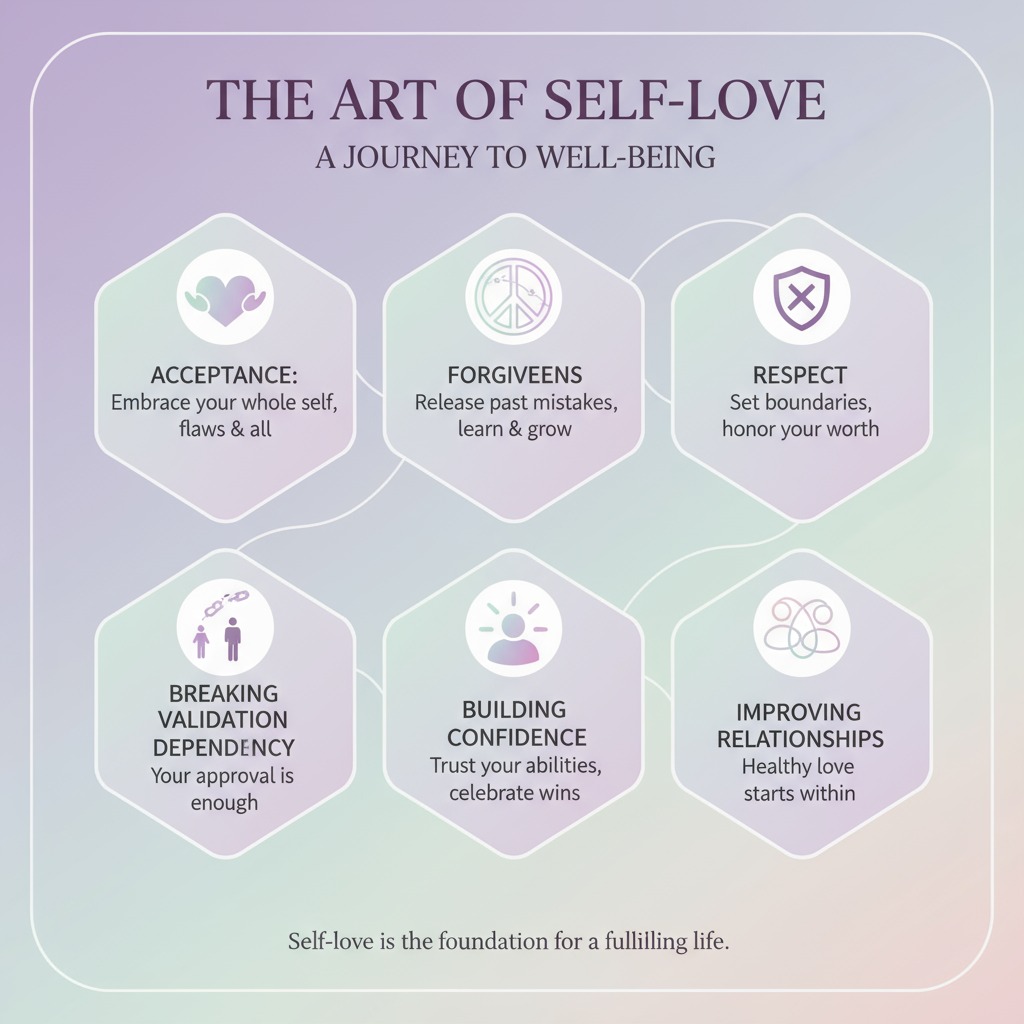
At its core, self-love involves acceptance, forgiveness, and respect. Acceptance allows individuals to embrace who they are in the present moment instead of constantly striving to be someone else. Forgiveness helps them release guilt and past regrets that weigh down their spirit. Respect encourages the creation of emotional boundaries that preserve mental peace and protect against toxic influences.
In contrast, neglecting self-love often leads to feelings of inadequacy, burnout, and emotional instability. Many people fall into the trap of seeking validation from others, basing their happiness on external recognition. Over time, this creates dependency and weakens inner confidence. Self love practices break this cycle by teaching individuals to derive fulfillment from within rather than from external approval.
Self love practices also plays a critical role in shaping self-confidence. When individuals value themselves, they feel worthy of love, success, and happiness. They stop settling for less and start making choices aligned with their true needs and values. This alignment creates emotional harmony, fostering long-term well-being and a sense of purpose.
Furthermore, practicing self love practices improves relationships. People who respect themselves set healthier boundaries and communicate more clearly. They understand that love cannot be shared freely without first being cultivated internally. Thus, self love practices not only enhance personal growth but also positively influence every social and emotional connection.
In essence, self-love is not about ego—it is about balance. It nurtures emotional intelligence, encourages inner healing, and strengthens mental resilience. By understanding and applying self love practices, individuals lay the foundation for a more peaceful, confident, and fulfilled life.
3. The Connection Between Self-Love, Confidence, and Well-Being
Self love practices are deeply intertwined with confidence and overall well-being. When individuals genuinely love themselves, they develop a strong sense of self-worth that is not easily shaken by external opinions. This inner confidence allows them to face challenges with courage and optimism, knowing that their value remains constant regardless of circumstances.
Scientific studies have shown that people who practice self love practices experience lower levels of stress and anxiety. Their minds are calmer, their emotions more balanced, and their overall health significantly better. Self-love reduces the production of stress hormones and promotes positive neurotransmitters like serotonin and dopamine, which are linked to happiness and emotional stability.
Confidence naturally grows when individuals focus on self-acceptance instead of comparison. By recognizing their strengths and achievements, they build faith in their abilities. This confidence extends into every area of life—personal, academic, professional, and social. People who practice self-love tend to set realistic goals, take initiative, and recover quickly from setbacks.
Self love practices also improve relationships by encouraging emotional authenticity. When people value themselves, they no longer seek constant approval or fear rejection. They communicate more openly and form healthier connections based on mutual respect. In contrast, a lack of self-love often leads to dependency, insecurity, or people-pleasing behavior that drains emotional energy.
In the workplace, self-love enhances productivity and leadership. Confident individuals are more focused, motivated, and adaptable. They view mistakes as opportunities to learn rather than as reflections of inadequacy. This growth-oriented mindset fosters creativity and innovation.
Ultimately, self-love forms the foundation of mental and physical well-being. It teaches individuals to care for their needs, nurture their emotions, and pursue goals without self-criticism. By integrating self love practices into daily life, one can build an unshakable sense of inner peace and lasting happiness.
4. 6 Daily Self Love Practices to Build Confidence and Self-Worth
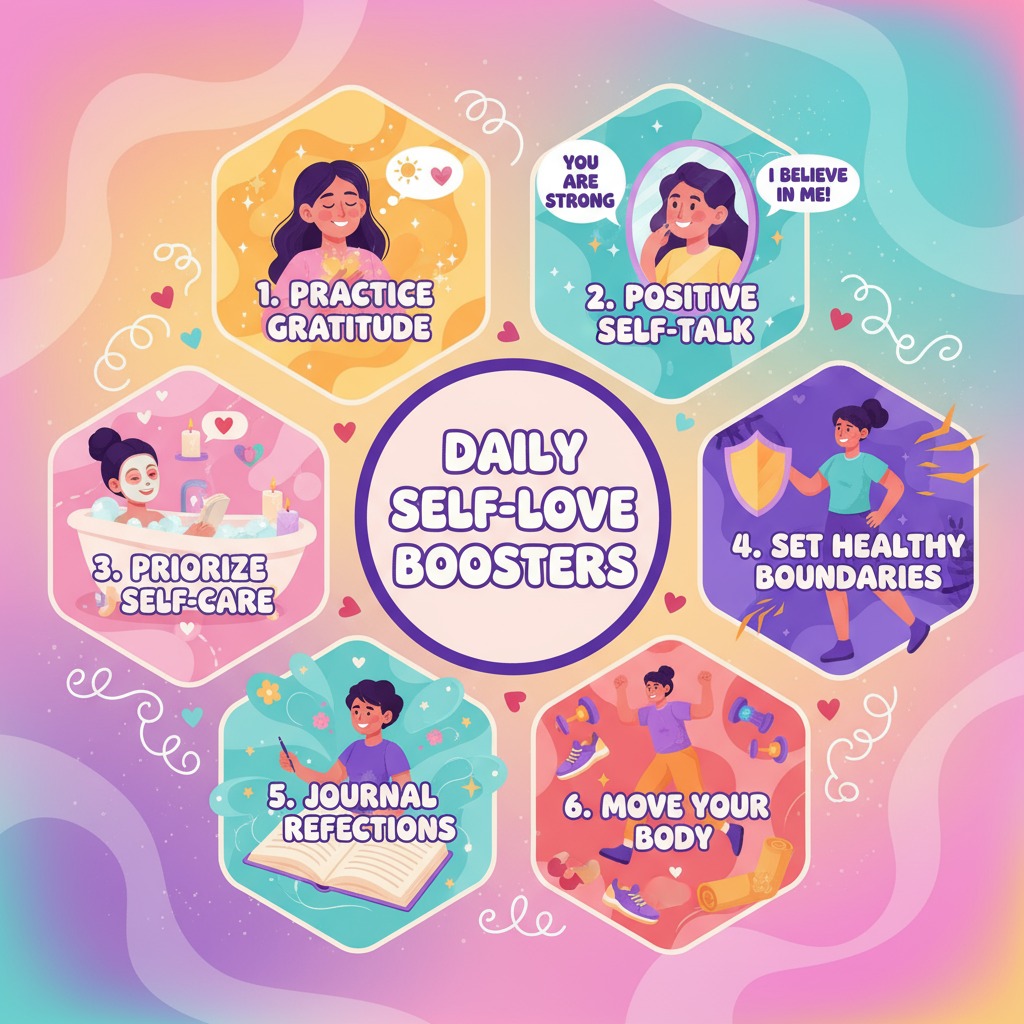
Developing consistent self love practices transforms emotional health, mindset, and personal growth over time. The key to genuine transformation lies not in perfection but in persistence—doing small, intentional acts each day that reinforce self-worth and emotional balance. These practices act as gentle reminders that one’s value is not determined by achievements but by the simple act of showing up for oneself. Below are six powerful practices that can be incorporated into everyday life to build confidence and emotional strength.
1. Practicing Gratitude and Positive Affirmations
Gratitude is one of the simplest yet most powerful self love practices that reprogram the mind to focus on abundance rather than lack. Starting and ending the day by acknowledging things you are thankful for—such as health, relationships, or even small victories—creates a sense of contentment and peace. Gratitude softens negative thinking and helps individuals recognize that fulfillment often lies in appreciating what already exists. Complementing gratitude with daily affirmations like “I am capable,” “I choose peace,” or “I am proud of who I am becoming” strengthens inner belief. Repeating these affirmations regularly rewires the subconscious mind, promoting confidence, positivity, and self-acceptance even in difficult moments.
2. Journaling Thoughts and Feelings for Emotional Clarity
Journaling serves as a mirror for the mind. Writing down emotions, ideas, and reflections helps in understanding personal triggers, patterns, and hidden desires. It creates emotional clarity and allows individuals to process stress in a healthy way instead of bottling it up. Journaling can take many forms—gratitude journals, reflective prompts, or simple free writing about the day’s experiences. Over time, this practice enhances self-awareness and fosters inner healing. When emotions are expressed on paper, they lose their intensity, making space for new perspectives and solutions. Consistent journaling also acts as a progress tracker, helping individuals see how far they’ve come emotionally and mentally.
3. Setting Boundaries and Learning to Say “No”
One of the most vital yet challenging self love practices is learning to say “no” without guilt. Many people struggle to prioritize themselves, often agreeing to commitments that drain their time and energy. However, boundaries are essential for mental well-being. They protect emotional space, promote self-respect, and prevent burnout. Setting clear boundaries—whether in relationships, work, or social life—ensures that one’s values and comfort are honored. Saying “no” does not make someone selfish; it signifies self-awareness and confidence in one’s limits. Over time, people who practice boundary-setting experience reduced stress, improved relationships, and a stronger sense of control over their lives.

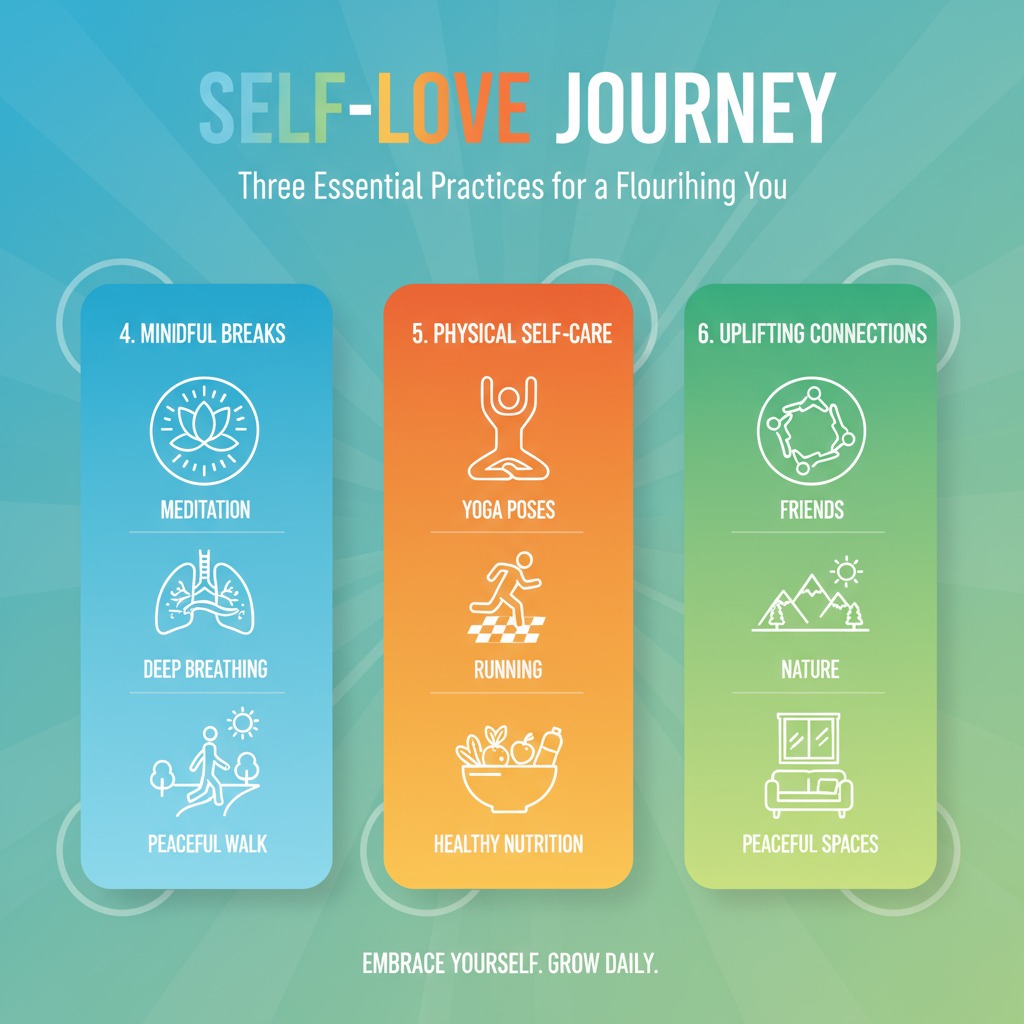
4. Taking Mindful Breaks for Rest and Reflection
In today’s fast-moving lifestyle, where constant activity is mistaken for productivity, taking mindful breaks has become more important than ever. Short pauses during the day help the mind reset and the body recharge. Activities like deep breathing, stretching, or short meditation sessions calm the nervous system and improve concentration. Mindful breaks also allow individuals to reflect on their emotions and intentions instead of operating on autopilot. For instance, stepping away from screens, spending a few minutes in silence, or taking a brief walk in nature can restore mental clarity. Such practices remind us that rest is not a reward but a necessity for maintaining creativity, focus, and emotional stability.
5. Engaging in Physical Self-Care Like Exercise or Yoga
Physical wellness plays a major role in emotional and mental health. Exercise, yoga, or even light physical activity triggers the release of endorphins—the body’s natural mood enhancers. Regular movement helps manage stress, improves posture, and boosts self-image. Engaging in physical self-care also strengthens the mind-body connection, teaching individuals to listen to their physical needs with compassion rather than criticism. Prioritizing proper nutrition, hydration, and adequate sleep is equally essential. These habits not only sustain physical energy but also communicate a message of self-respect to the body. Over time, individuals who engage in consistent physical care experience higher confidence, sharper focus, and greater emotional stability.
6. Spending Time with Uplifting People and Positive Environments
The company one keeps has a profound effect on self-perception and motivation. Surrounding oneself with uplifting, supportive, and understanding people helps nurture emotional security and optimism. Positive environments—whether it’s a friend group, family circle, or peaceful physical space—create the foundation for self-growth. In contrast, negative or toxic surroundings can erode confidence and drain mental energy. Choosing relationships that inspire, motivate, and encourage authenticity is an act of emotional self-care. Spending time in nature, joining like-minded communities, or engaging in hobbies that bring joy also foster a sense of belonging and calm. Self-love flourishes in spaces that value kindness, mutual respect, and emotional safety.
These six self love practices, when followed consistently, can completely reshape how individuals perceive themselves and their surroundings. Each small effort compounds over time, leading to improved self-esteem, emotional strength, and a balanced sense of happiness. With persistence and patience, these practices become not just daily habits but a powerful way of living—one grounded in confidence, peace, and self-respect.
5. Overcoming Challenges in Practicing Self Love
While self love practices are powerful and transformative, maintaining them consistently can be challenging in a world filled with distractions, comparisons, and emotional pressures. Many individuals begin their journey with enthusiasm, but soon face internal and external barriers that make it difficult to stay committed. Emotional wounds, societal expectations, and ingrained patterns of self-doubt often stand in the way of genuine self-acceptance. Understanding these challenges and learning to navigate them with patience and awareness is the key to lasting growth and emotional balance.
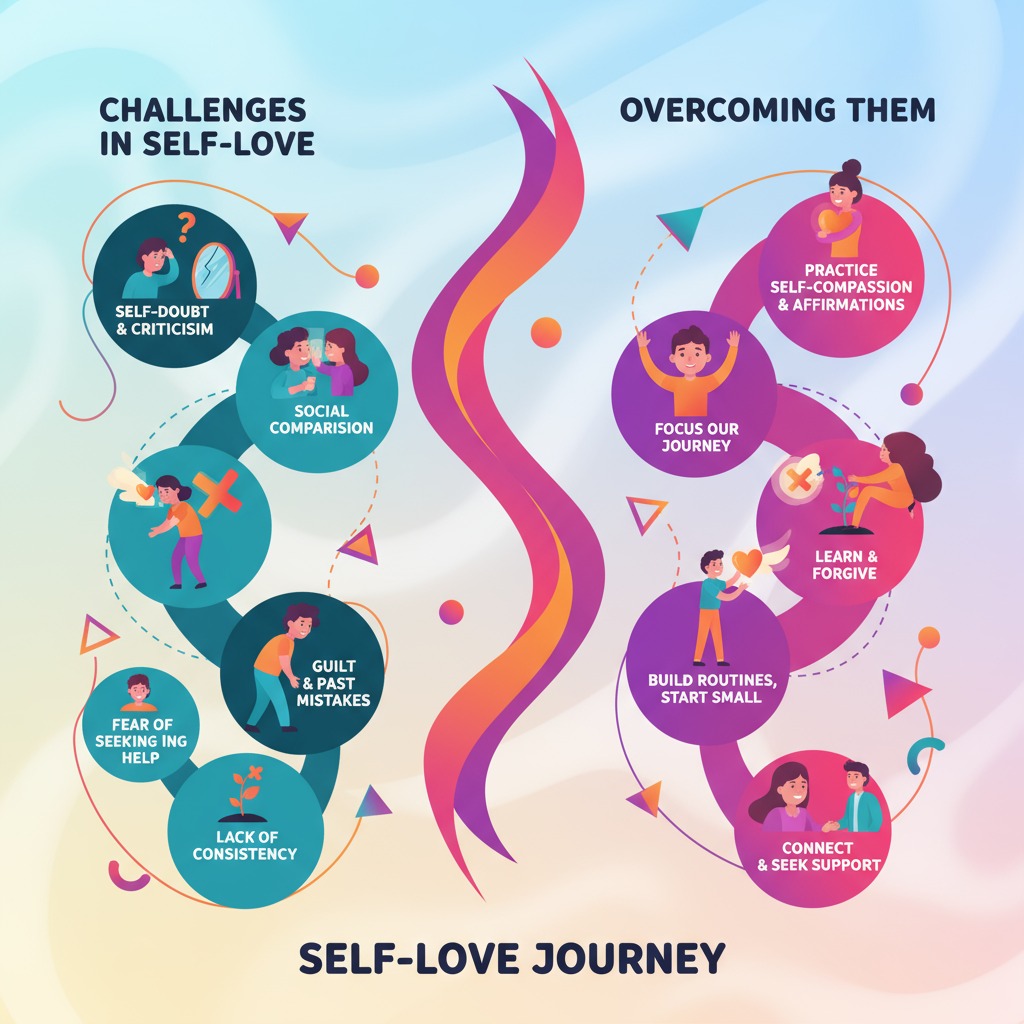
One of the most common barriers to self love is self-doubt. This feeling usually stems from past experiences where people may have been criticized, rejected, or made to feel inadequate. Over time, such moments plant seeds of insecurity that grow into negative self-talk. Thoughts like “I’m not capable enough,” or “I don’t deserve success” weaken confidence and discourage personal progress. The most effective way to overcome self-doubt is to replace self-criticism with compassion.
Practicing mindfulness allows individuals to observe their thoughts without judgment and recognize that negative patterns are learned, not permanent. When people begin to consciously speak kindly to themselves—using gentle affirmations and realistic self-assurance—they start to rebuild emotional strength. This gradual shift helps silence the inner critic and nurtures an internal voice of encouragement.
Another challenge that hinders emotional well-being is the habit of comparison. In the age of social media, people are constantly exposed to images of perfection—ideal relationships, luxurious lifestyles, and seemingly effortless achievements. This endless comparison creates unrealistic standards and a sense of inadequacy, making individuals feel like they are falling behind. The truth, however, is that every person’s path unfolds differently.
The practice of self love requires stepping back from this digital pressure and reconnecting with one’s authentic journey. Reducing time spent on social media, focusing on personal goals, and acknowledging small milestones are powerful ways to regain perspective. When individuals focus on their own growth rather than external validation, they cultivate peace and confidence. Learning to celebrate others without diminishing one’s worth is a sign of true emotional maturity.
Guilt and perfectionism also present significant hurdles in practicing self love. Many people feel undeserving of rest or care, believing that taking time for themselves is selfish. Others chase perfection, constantly striving to meet unrealistic standards to feel worthy of love or success. This constant pursuit of flawlessness creates exhaustion and emotional emptiness. The path to genuine self-love begins with letting go of guilt and embracing imperfection.
Caring for oneself is not an act of selfishness but a form of self-respect. By accepting that mistakes are part of learning, individuals release the heavy burden of perfectionism and begin to experience freedom. Progress, not perfection, becomes the new goal. Each act of self-kindness—whether it’s taking a day off, setting boundaries, or forgiving oneself for a past error—creates space for healing and inner peace.
Consistency is another challenge that many face when trying to sustain self love practices. It is often easy to stay motivated during peaceful times, but when life becomes stressful, self-care is the first thing people neglect. Yet it is during these difficult periods that self-love is needed the most. Staying consistent does not mean being perfect; it means showing up, even in small ways.
A few minutes of journaling, meditation, or deep breathing can keep the connection alive. These micro-actions, though simple, have a compounding effect over time. Consistency builds emotional discipline and resilience, turning self-love into a natural lifestyle rather than a temporary effort. When practiced regularly, it becomes an inner habit that sustains peace and balance even during life’s storms.
Another essential part of practicing self-love is recognizing when to seek help. Many people believe they must handle all struggles alone, fearing that asking for support shows weakness. In truth, seeking help is a powerful act of self-awareness and strength. Talking to trusted friends, mentors, or therapists provides emotional clarity, perspective, and comfort. Professional therapy can be especially valuable in addressing deep-rooted insecurities or trauma that hinder self-acceptance. Admitting that one needs help reflects emotional intelligence and courage. It signifies that one values mental health enough to invest in healing. Allowing others to offer guidance and empathy lightens the emotional load, reminding us that vulnerability is not a flaw but a bridge to connection and growth.
Overcoming these challenges requires patience, compassion, and continuous effort. Each obstacle—whether it is self-doubt, comparison, guilt, inconsistency, or fear of seeking help—teaches resilience and strengthens emotional wisdom. Self-love is not about eliminating all flaws or becoming perfectly positive. It is about accepting the self fully, with kindness and understanding, even on difficult days. The journey may not be linear, but every act of awareness, forgiveness, and care moves a person closer to emotional freedom. With time and persistence, these efforts transform how individuals see themselves and the world around them, creating a foundation of confidence, peace, and authenticity that lasts a lifetime.
6. Conclusion
Self love practices are not a one-time effort or a temporary trend—they are a lifelong journey of growth, awareness, and emotional healing. True self-love is cultivated through consistent care, reflection, and intentional actions that honor both the mind and body. The more individuals commit to nurturing their relationship with themselves, the more balanced, confident, and fulfilled they become. It is through this ongoing dedication that people learn to value themselves independently of external circumstances, achievements, or validation. Self-love lays the foundation for a resilient mindset, emotional stability, and a deeper connection with life itself.
When practiced daily, self love practices transforms how individuals think, feel, and act in all aspects of life. It reduces stress by encouraging mindful awareness and helping people respond to challenges rather than react impulsively. Over time, consistent self love practices build emotional resilience, enabling individuals to recover from setbacks with patience and perspective. They foster a sense of purpose by clarifying personal values, passions, and priorities, allowing people to align their choices with what truly matters to them. More importantly, self-love teaches that worthiness is inherent, not something that must be earned through achievements, approval, or comparison. Recognizing this truth allows individuals to approach life with confidence, self-respect, and inner peace.
The impact of self love practices extends far beyond the individual. When people feel whole and secure within themselves, this sense of well-being radiates outward into relationships, workplaces, and communities. Individuals who practice self-love naturally bring authenticity, empathy, and patience into their interactions. Their presence inspires trust and positivity, and their actions encourage a supportive and harmonious environment. Rather than offering kindness out of obligation, they uplift others from a genuine place of compassion, understanding, and emotional clarity. By consistently embracing self love practices, individuals contribute not only to their own well-being but also to the emotional and social health of those around them, creating a ripple effect of positivity and understanding.
Moreover, self love practices encourages a proactive approach to personal growth. Engaging in habits like gratitude, journaling, mindfulness, physical self-care, and boundary-setting allows individuals to monitor their progress, reflect on challenges, and celebrate successes. These practices strengthen self-awareness, helping people recognize patterns that may be harmful and encouraging decisions that foster growth and well-being. Over time, this self-awareness promotes emotional intelligence, better decision-making, and healthier relationships.
Ultimately, the journey of self love practices is about embracing oneself fully—with all strengths, vulnerabilities, and imperfections—and committing to ongoing care and growth. It is not about achieving perfection but about cultivating balance, authenticity, and inner strength. Every small act of self-care, reflection, or boundary-setting reinforces self-worth and strengthens emotional resilience. By integrating self love practices into daily life, individuals can create a stable foundation of confidence, peace, and purpose.
Through this continuous journey, self love practices transforms both individual lives and the broader environment, contributing to a world that values emotional health, empathy, and conscious living. Those who commit to these practices not only enhance their own lives but also inspire others to embark on their own paths of self-discovery, balance, and genuine happiness. In embracing self-love, individuals unlock their full potential, cultivate meaningful connections, and experience the profound fulfillment of living authentically.