
Table of Contents
1. Introduction
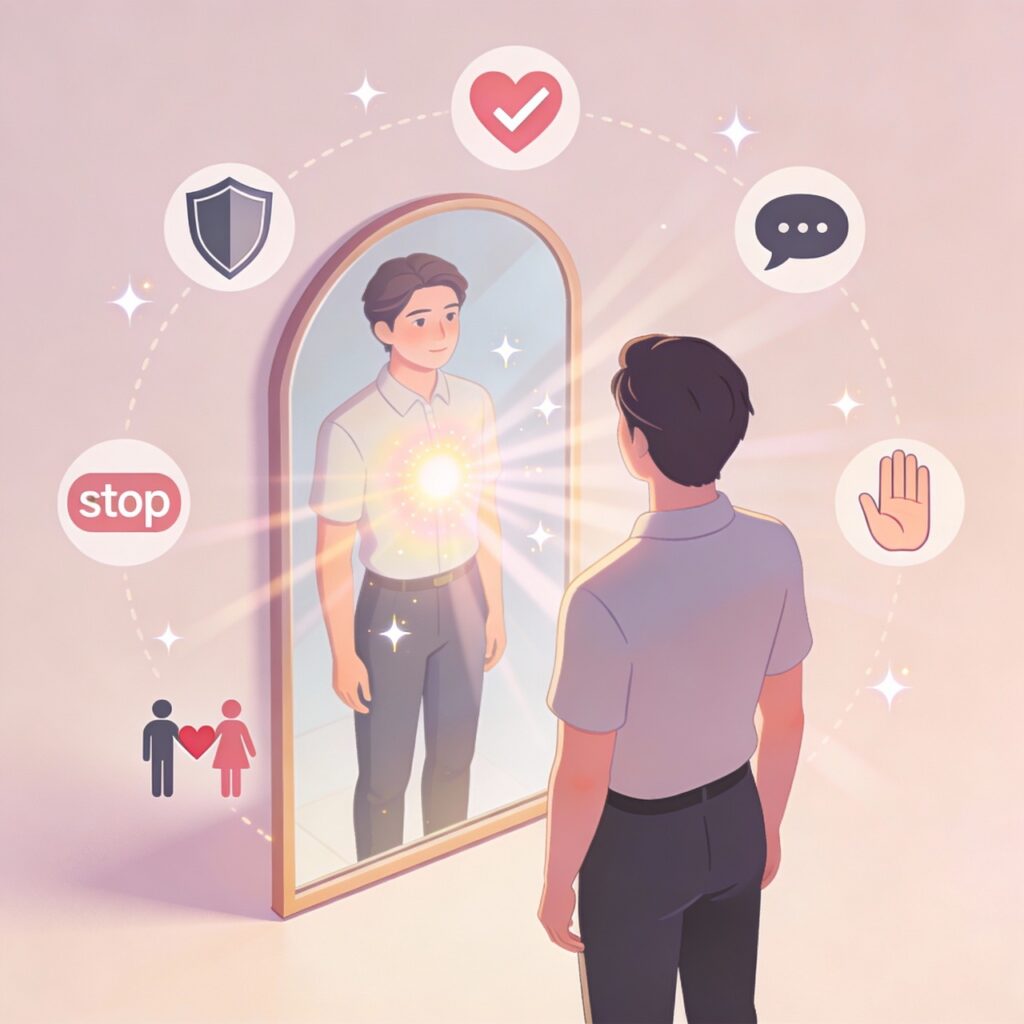
Self-respect is the quiet yet powerful force that shapes every aspect of your life, from the way you think about yourself to the way the world responds to you. It is not about ego, pride, or trying to appear superior; rather, it is the deep understanding that your existence and choices have intrinsic value. This sense of worth informs how you treat yourself daily, influencing your mental health, emotional resilience, and overall life satisfaction. A lack of often underlies common mental health struggles, such as chronic anxiety, depression, people-pleasing behaviors, and emotional exhaustion. Without your energy, focus, and confidence slowly erode as you prioritize external validation over your own needs and values, leaving the mind fatigued and unsettled.
Self-respect determines the standards you set for your life, your relationships, and the environments you inhabit. When you honor yourself, you instinctively protect your time, energy, and emotional well-being, avoiding situations or commitments that drain you unnecessarily. Conversely, when it is weak, you may overextend yourself to please others, tolerate disrespect, or neglect personal boundaries, which can cause long-term mental and emotional strain. Over time, this pattern becomes habitual, and the mind internalizes the belief that your needs are less important, which perpetuates stress, burnout, and a feeling of powerlessness.
Self-respect manifests in the small choices we make every day, many of which may seem insignificant but collectively have profound effects on mental wellness. Choosing to rest instead of overworking, saying no to obligations that feel draining, walking away from toxic relationships, and maintaining healthy personal boundaries are all examples of action. These consistent behaviors act as stabilizing anchors for emotional balance and mental clarity. Over time, they reinforce a sense of internal safety and self-trust, which allows the mind to operate from a grounded state rather than constantly reacting to external pressures.
Self-respect strengthens the inner environment of your mind by communicating to your nervous system that you matter and deserve care. This creates a baseline of psychological safety that helps regulate emotions, reduce impulsivity, and improve decision-making. People with strong are less likely to be swept away by anxiety, overthinking, or stress because their internal framework is stable. The mind becomes a safe space, capable of sustaining focus, nurturing creativity, and responding to challenges with confidence. This inner foundation is essential for long-term mental wellness because it supports resilience in the face of life’s uncertainties and pressures.
Self-respect directly influences the quality of your relationships and social interactions. When you value yourself, you naturally attract individuals who treat you with respect and reciprocity. On the other hand, a lack of often leads to tolerating unhealthy dynamics or manipulative behaviors, which further deplete mental energy and emotional health. By consistently honoring your own worth, you teach others how to engage with you in ways that are healthy, respectful, and supportive. Over time, this creates a life filled with interactions that enhance rather than drain your emotional and mental state.
Self-respect is not a passive trait but an active, daily practice that requires conscious attention. It involves noticing when you compromise your values, ignore your needs, or overcommit in ways that create imbalance. Every intentional choice to honor your boundaries, speak up for yourself, or prioritize self-care strengthens your sense of and gradually rewires your mental habits. This ongoing cultivation builds confidence, inner strength, and a protective buffer against stressors, allowing you to navigate challenges without losing equilibrium or clarity.
Self-respect also serves as a shield against self-criticism, external judgment, and social pressures. It allows you to maintain inner calm and emotional stability, even in chaotic or high-stress situations. When is strong, you respond thoughtfully to challenges instead of reacting impulsively or out of fear. This capacity for measured response improves relationships, reduces conflict, and strengthens resilience, all of which are crucial for sustainable mental wellness and personal growth.
Self-respect is a lifelong practice and a cornerstone of mental and emotional health. Each choice you make to honor yourself, protect your time, and maintain boundaries reinforces your psychological foundation, ensuring that stress, external pressures, and negative influences have less power over your well-being. When it is consistently nurtured, life becomes calmer, more intentional, and more aligned with your true values. It transforms daily existence into a practice of self-care, empowerment, and balance, providing long-term benefits for emotional stability, mental clarity, and personal fulfillment.
2. Self-respect – Understanding the Connection Between Self-Worth and Personal Boundaries
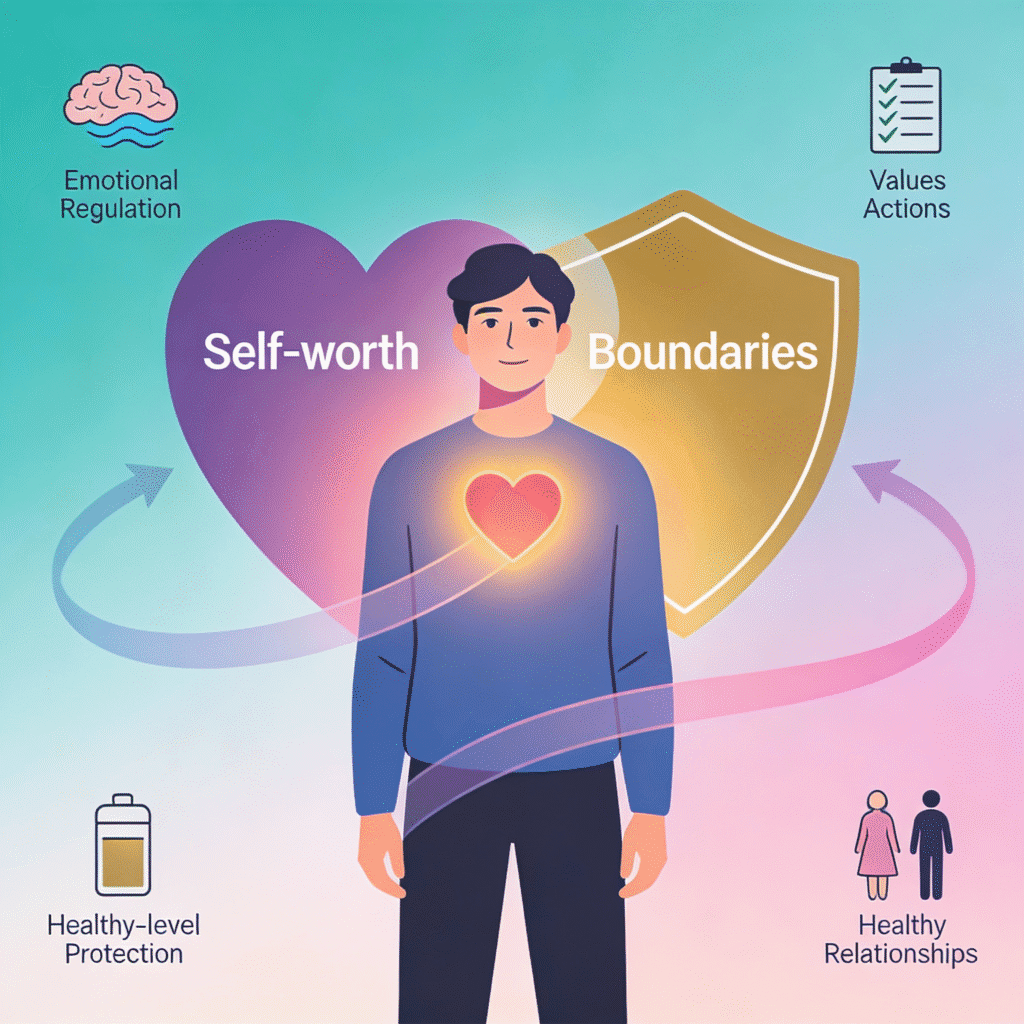
Self-respect begins with self-worth, the deep internal belief that you are inherently valuable and deserving of care, attention, and dignity. It is not earned through accomplishments, praise, or external validation; it is a fundamental recognition that your existence has significance. When self-worth is strong, your thoughts, emotions, and behaviors naturally align with this belief, creating a powerful foundation for mental wellness. People with stable self-worth are less prone to anxiety, overthinking, or emotional exhaustion because their internal compass consistently guides them toward choices that honor their needs and values.
Self-respect expresses itself externally through personal boundaries, which act as the practical application of valuing yourself. Boundaries define what you will tolerate, how much energy you give, and what behaviors you accept from others. They are not barriers meant to push people away; rather, they are protective frameworks that maintain mental clarity and emotional stability. Without clear boundaries, slowly diminishes as the brain receives repeated signals that your needs and comfort are secondary to others, resulting in emotional fatigue, resentment, and burnout.
Self-respect grows stronger when boundaries are consistently understood and enforced. Many people hesitate to establish limits because they fear being perceived as selfish, rude, or uncaring. In reality, boundaries are essential for sustainable mental wellness and healthy relationships. By clearly defining what is acceptable, you prevent emotional overload, maintain energy levels, and foster communication based on respect and clarity rather than obligation or guilt. This conscious practice of setting boundaries nurtures both and emotional intelligence over time.
Self-respect directly influences emotional regulation. When you have a strong sense of self-worth, you are less likely to overreact to criticism, seek constant approval, or compromise your mental wellness to appease others. Instead, you can pause, assess the situation objectively, and respond in alignment with your values. This creates a state of emotional stability and resilience, where decisions are guided by inner clarity rather than external pressures, enhancing overall mental health and reducing unnecessary stress.
Self-respect strengthens through alignment of daily actions with personal values. Every time you honor your needs, communicate assertively, or protect your energy, you reinforce your sense of self-worth. Conversely, ignoring your needs or giving in to external pressures weakens and contributes to mental fatigue. Regularly practicing acts of self-care, reflection, and boundary-setting ensures that your behavior consistently matches your internal beliefs, which builds confidence, clarity, and emotional resilience over time.
Self-respect enhances personal growth by guiding the way you invest your time, energy, and focus. As you strengthen self-worth, you become more selective about relationships, work, and commitments, choosing those that support rather than drain you. This conscious allocation of mental and emotional resources protects against burnout, increases productivity, and promotes emotional balance, creating a life that feels aligned, purposeful, and mentally sustainable.
Self-respect improves the quality of social interactions and helps navigate challenging situations with clarity and confidence. It reduces susceptibility to manipulation, peer pressure, and guilt, allowing you to interact from a position of balance and grounded self-assurance. People with high are able to maintain empathy and kindness without sacrificing their own needs, demonstrating a healthy balance between care for oneself and care for others, which is essential for sustainable mental wellness.
Self-respect is a lifelong practice that grows through awareness, reflection, and intentionality. Understanding the interplay between self-worth and personal boundaries allows you to build a strong psychological foundation that protects emotional health, supports decision-making, and strengthens resilience. When consistently nurtured, creates a life of clarity, confidence, and balance, allowing mental wellness to flourish while providing long-term stability and personal fulfillment
3. Self-respect – Why Low Self-Respect Affects How People Treat You
Self-respect silently communicates your value to the world. When is strong, your actions, words, and boundaries convey confidence, clarity, and self-worth. Conversely, when is low, the signals you send—such as indecision, over-availability, or emotional dependence—invite others to treat you with less consideration or respect. This dynamic is not about others being intentionally unkind; it is about human psychology responding to cues. People naturally calibrate their behavior based on the confidence and boundaries they perceive in you.
Self-respect influences how assertively you communicate your needs. Low often manifests as people-pleasing tendencies, where you agree to things you do not want to do, tolerate disrespect, or overcommit to avoid conflict. These patterns drain emotional energy and create mental exhaustion. Over time, repeated overextension sends a message that your comfort and needs are secondary, which others unconsciously internalize. This can lead to being taken for granted, undervalued, or overlooked in relationships, work, and social interactions.
Self-respect shapes the way you enforce personal boundaries. When is weak, you may avoid expressing opinions, minimize your feelings, or apologize excessively, even when unwarranted. This lack of assertiveness teaches people that your preferences are flexible or negotiable, which encourages repeated boundary violations. Over time, the absence of firm limits reduces both your confidence and the respect you receive from others, creating a cycle of emotional depletion and frustration.
Self-respect affects attachment patterns in personal relationships. Low can trigger fear-based attachments, where the fear of rejection, abandonment, or judgment overrides self-protection. People with low may tolerate emotionally draining or harmful relationships out of anxiety about being alone. This pattern often leads to chronic stress, emotional strain, and long-term damage to mental wellness. Recognizing the role of in attachment is crucial for cultivating healthier, more balanced relationships.
Self-respect shapes everyday interactions in subtle ways. When it is low, small gestures—hesitation in speech, avoiding eye contact, or seeking constant approval—signal vulnerability and insecurity. These nonverbal cues influence how colleagues, friends, and family interact with you, often reinforcing patterns of being overlooked or dismissed. Conversely, cultivating alters these cues, projecting confidence and self-assurance that encourages respectful treatment.
Self-respect is the foundation for setting emotional and practical boundaries. Without it, you may feel compelled to take responsibility for others’ emotions or compromise your needs to maintain approval. This overextension can create chronic stress and resentment. Developing allows you to balance empathy with self-protection, providing clear, firm, yet compassionate boundaries that others learn to respect naturally.
Self-respect transforms relationships not by changing others but by changing your behavior. As grows, the way you speak, respond, and make decisions shifts organically. You begin to assert your needs, decline requests that feel draining, and step away from unhealthy dynamics. These behavioral changes recalibrate how others treat you without confrontation, coercion, or hostility, creating a more balanced and respectful environment.
Self-respect ultimately empowers long-term mental wellness and social harmony. By valuing yourself consistently, you build emotional resilience, reduce stress from overextension, and foster relationships that are mutually supportive. Respect from others becomes a reflection of the respect you hold for yourself. Over time, these shifts create a life where interactions, commitments, and connections honor your needs and boundaries, reinforcing clarity, confidence, and inner calm.
4. Self-respect Building – 5 Powerful Habits That Strengthen Self-Worth and Personal Boundaries
Habit 1: Self-respect Grows When You Keep Your Word to Yourself
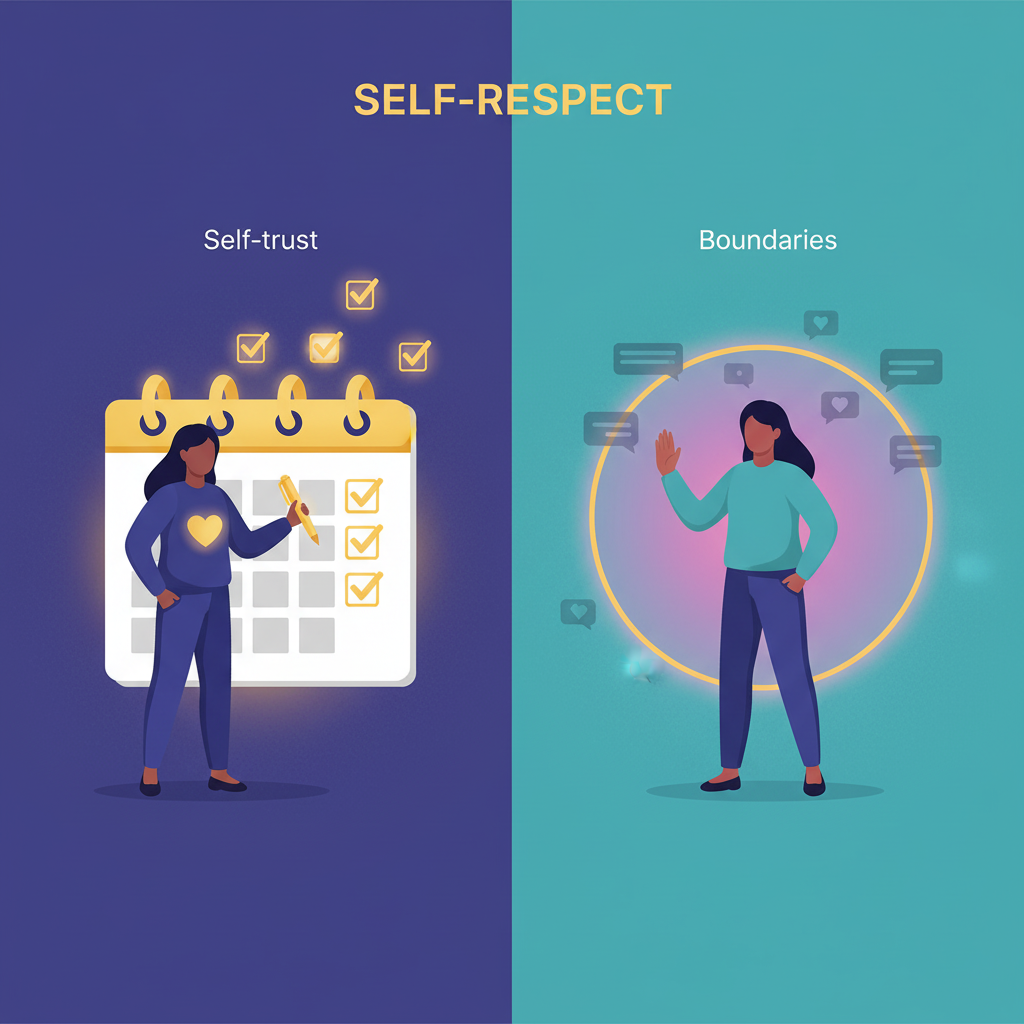
Self-respect begins with self-trust, and self-trust is built by consistently keeping promises you make to yourself. Every time you follow through—whether it’s completing a small task, sticking to a personal goal, or honoring a commitment—you signal to your brain that you are reliable and competent. This repeated evidence builds emotional security, reinforces confidence, and strengthens your inner sense of integrity. On the other hand, repeatedly breaking promises to yourself teaches your mind that you are unreliable, gradually weakening self-respect and increasing self-doubt.
Keeping your word does not require ambitious goals; it starts with small, meaningful actions. Waking up at a planned time, taking necessary breaks, following through on short daily commitments, or even stopping harmful habits are all ways to demonstrate self-trust. Over time, these small acts accumulate into a mental pattern of reliability, which forms a foundation for larger commitments. The key is consistency: performing small actions regularly is far more impactful than attempting intense efforts sporadically.
Psychologically, maintaining self-trust reduces anxiety and fear of failure. When you rely on yourself and your own decisions rather than constantly seeking reassurance from others, you feel more grounded, empowered, and emotionally stable. This stability becomes a core pillar of self-respect, enabling better decision-making, clearer boundaries, and resilience in the face of challenges.
Habit 2: Self-respect Strengthens When You Set and Enforce Personal Boundaries
Self-respect thrives on boundaries, which act as protective guidelines for your time, energy, and mental clarity. Boundaries are not walls but a declaration of what you accept and what you will not compromise. By enforcing them consistently, you prevent resentment, emotional overload, and burnout. Boundaries teach others how to treat you while ensuring that your own needs are prioritized alongside others’, fostering healthier and more balanced relationships.
Setting boundaries does not require confrontation; it requires clarity and self-awareness. Saying no without guilt, limiting emotional labor in relationships, and stepping away from toxic or draining situations are all ways to actively honor yourself. Each time you enforce a boundary, your brain records this as evidence of self-worth, reinforcing internal confidence and reducing patterns of people-pleasing or over-accommodation.
At a psychological level, boundaries regulate stress responses. When your limits are acknowledged and respected, your nervous system feels safer and more stable. Emotional overload decreases, resilience improves, and self-respect grows naturally. Boundaries act as both a preventive measure against burnout and a proactive tool for mental wellness, ensuring that you maintain control over your life rather than reacting passively to external pressures.
Habit 3: Self-respect Increases When You Stop Seeking External Validation
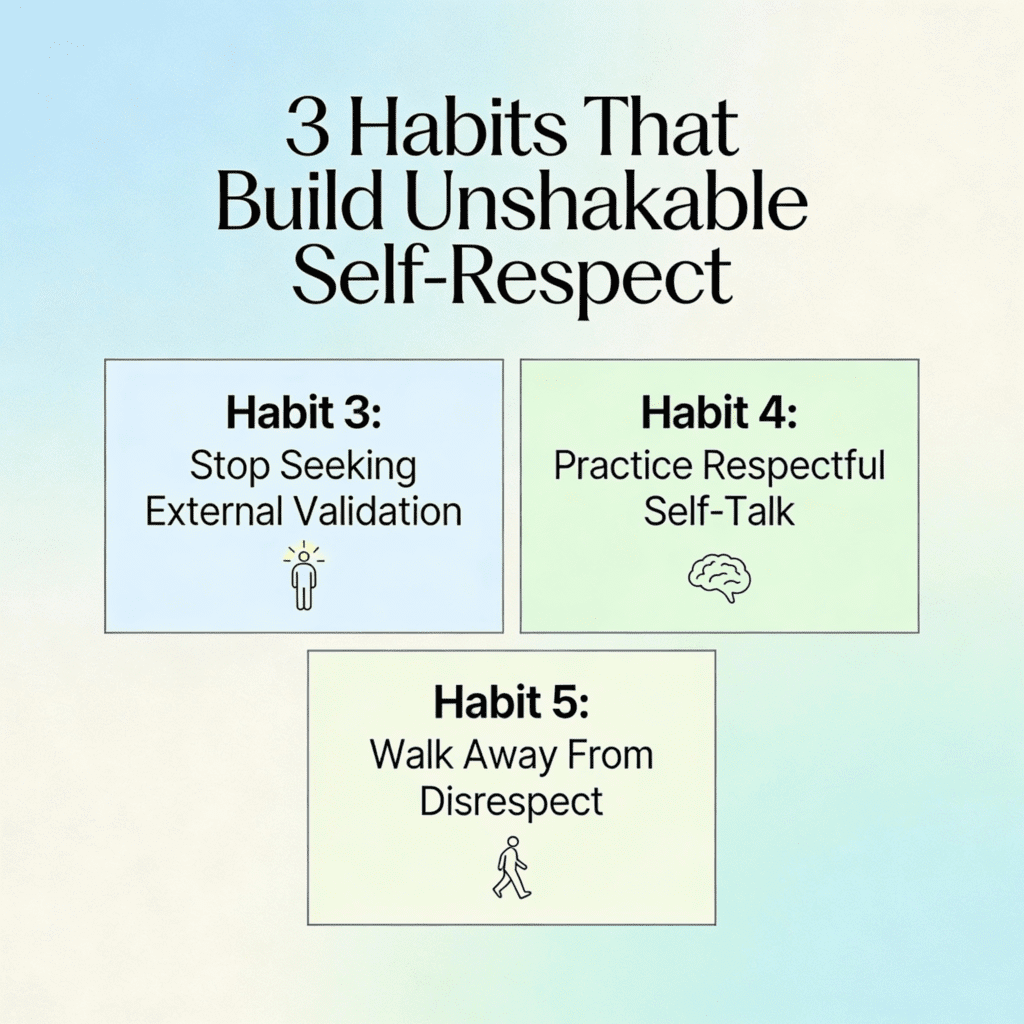
Self-respect weakens when your sense of self-worth depends on praise, recognition, or approval from others. Seeking constant validation makes your emotional state dependent on unpredictable external factors, creating instability and insecurity. True self-respect develops when you internalize approval and begin to value your own judgment, efforts, and growth without needing constant reassurance.
This habit requires conscious awareness of self-talk and emotional triggers. Notice when you look for validation, praise, or comparison, and consciously redirect that energy toward affirming your own accomplishments and intentions. Celebrate your efforts, progress, and learning internally rather than waiting for others’ acknowledgment. Over time, this internal validation becomes self-sustaining and strengthens emotional independence.
Psychologically, reducing dependence on external approval enhances emotional resilience and maturity. You become less reactive to criticism, less anxious about judgment, and more stable in your interactions. Emotional independence fosters a sense of freedom, allowing self-respect to grow deeply and creating a foundation for healthier relationships, decision-making, and mental wellness.
Habit 4: Self-respect Develops Through Respectful Self-Talk
Self-respect is heavily influenced by the way you speak to yourself, particularly during moments of failure, stress, or mistakes. Harsh self-criticism and negative self-talk erode self-worth and create emotional turbulence, while compassionate, constructive self-talk strengthens it and builds resilience. Respectful self-talk acknowledges mistakes without humiliation and guides the mind toward solutions rather than self-blame.
Practicing respectful self-talk involves reframing negative internal narratives. Instead of saying “I’m useless” or “I always fail,” shift to statements like “I made a mistake, and I can learn from it” or “I am capable of improving with effort.” This subtle change rewires thought patterns over time, reducing anxiety and increasing clarity, focus, and self-confidence.
Neuroscience research shows that compassionate self-talk reduces stress hormone levels, improves emotional regulation, and enhances cognitive performance. When you treat yourself with respect internally, your brain interprets this as safety and approval, reinforcing mental wellness. Over time, respectful self-talk becomes a foundational habit that supports every other expression of self-respect in your life.
Habit 5: Self-respect Grows When You Walk Away From Disrespect
Self-respect is most visible in moments when your boundaries or dignity are challenged. Walking away from disrespect—whether verbal, emotional, or behavioral—is one of the strongest ways to demonstrate self-worth. This habit does not require anger, confrontation, or explanation; it requires clarity and commitment to your own well-being over others’ approval.
Disrespect may appear as criticism, dismissive behavior, emotional manipulation, or repeated boundary violations. Tolerating such behavior communicates to others that your dignity is negotiable. By choosing to step away, you signal that your mental, emotional, and personal safety is non-negotiable. Over time, this habit recalibrates how people interact with you, fostering healthier relationships based on mutual respect rather than dependence or manipulation.
Psychologically, walking away protects self-esteem and prevents long-term emotional trauma. It reinforces the belief that your well-being matters more than approval, reduces stress, and strengthens internal confidence. When consistently practiced, this habit transforms your external environment to reflect the internal respect you cultivate, solidifying self-respect as a central pillar of mental wellness.
5. Conclusion
Self-respect is not built overnight or through sudden motivation. It develops slowly through daily choices, honest self-reflection, and repeated actions that honor your values. Each time you listen to your needs, say no when necessary, or choose long-term well-being over short-term comfort, self-respect strengthens. Over time, this consistency creates a stable inner foundation that supports mental wellness and emotional balance.
Self-respect directly improves mental health by reducing inner conflict. When you respect yourself, you stop ignoring your feelings and stop forcing yourself into situations that drain you. Anxiety decreases because your mind no longer feels unsafe or confused. Emotional clarity increases because your actions align with your values. Decision-making becomes easier since you trust yourself and do not constantly second-guess your choices.
Self-respect also transforms relationships in a powerful but quiet way. You naturally attract healthier connections because your standards become clear through your behavior. You stop over-explaining, over-giving, and over-tolerating. Instead of chasing validation or approval, you expect mutual respect. This expectation is communicated through calm confidence, consistency, and boundaries rather than words or confrontation.
Self-respect changes how others treat you because it changes how you treat yourself. When you no longer accept disrespect, people adjust their behavior or distance themselves. Both outcomes protect your peace. You stop begging for understanding and stop proving your worth. Your presence alone sets the tone for how you are treated, creating relationships based on equality rather than emotional dependence.
Self-respect creates deep inner peace by ending the internal struggle between who you are and how you live. You stop abandoning yourself to please others or avoid discomfort. You trust your instincts, honor your limits, and act with emotional integrity. This alignment between thoughts, values, and actions brings calm, stability, and long-term satisfaction.
Self-respect is not about becoming someone new or perfect. It is about recognizing that you already matter and choosing to act like it every day. When you treat yourself with dignity, patience, and honesty, life responds accordingly. The world does not change because you demand respect. It changes because you finally give it to yourself first.