
Table of Contents
1. Introduction
Emotional intelligence for leaders has become one of the most defining traits of successful leadership in the modern era. In workplaces driven by rapid change, diversity, and constant innovation, leaders are expected to do more than manage tasks—they must inspire people, build trust, and create emotionally healthy environments. Technical expertise and strategic thinking are important, but emotional awareness is what truly distinguishes exceptional leaders from average ones.
Understanding emotional intelligence allows leaders to manage their own emotions, interpret the emotions of others, and respond with empathy and balance. Leaders with strong emotional awareness are better equipped to navigate conflicts, build collaborative teams, and make decisions that align with both organizational goals and human needs. Emotional intelligence creates the foundation for genuine connection, clear communication, and ethical leadership—all essential in today’s interconnected business world.
Moreover, emotional intelligence directly influences leadership development and overall well-being. When leaders understand their emotional triggers, they respond with patience rather than impulsivity. They foster positive energy in their teams, leading to improved engagement, productivity, and morale. Simply put, emotional intelligence for leaders bridges the gap between professional success and emotional fulfillment, creating leaders who not only perform well but also uplift others around them.
2. What Is Emotional Intelligence for Leaders
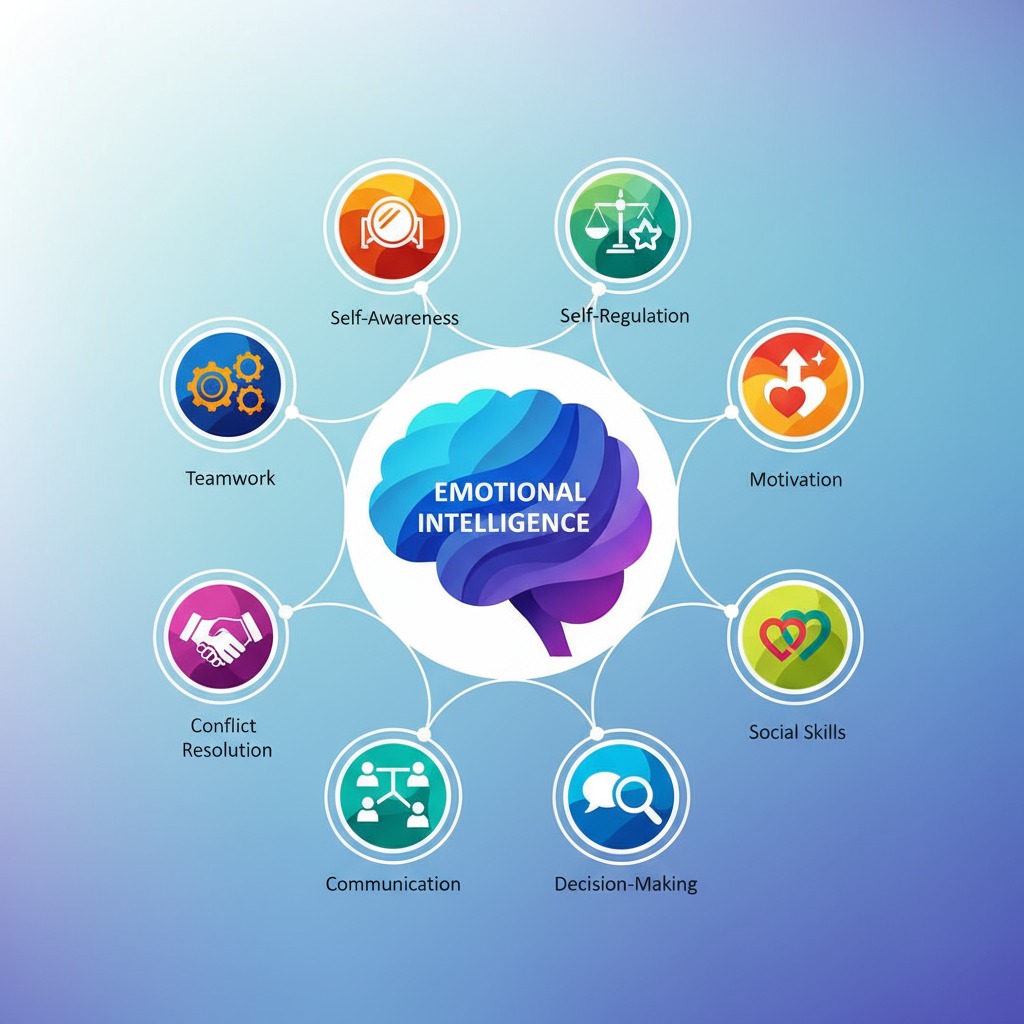
Emotional intelligence for leaders refers to the ability to identify, understand, and manage one’s emotions while effectively perceiving and responding to the emotions of others. It is built upon five key components—self-awareness, self-regulation, motivation, empathy, and social skills. These dimensions work together to form the emotional backbone of effective leadership.
Self-awareness allows leaders to recognize their strengths and weaknesses, while self-regulation enables them to stay composed under pressure. Motivation fuels their drive to achieve goals with passion and vision. Empathy helps them understand and connect with others’ perspectives, and social skills enable effective communication and relationship management.
Each of these dimensions influences leadership effectiveness in unique ways. For instance, a self-aware leader acknowledges personal limitations and seeks feedback for growth. An empathetic leader fosters inclusion, while a socially skilled leader builds networks that enhance collaboration. Emotional intelligence is not an inherent trait—it is a skill that can be learned, practiced, and refined over time.
Organizations that prioritize emotional intelligence for leaders in leadership development report higher employee satisfaction, stronger team cohesion, and lower turnover rates. Emotionally intelligent leaders create environments where people feel valued, respected, and motivated to contribute. This emotional alignment strengthens organizational culture, making it more adaptive and resilient in the face of challenges.
3. The Role of Emotional Intelligence in Leadership Development
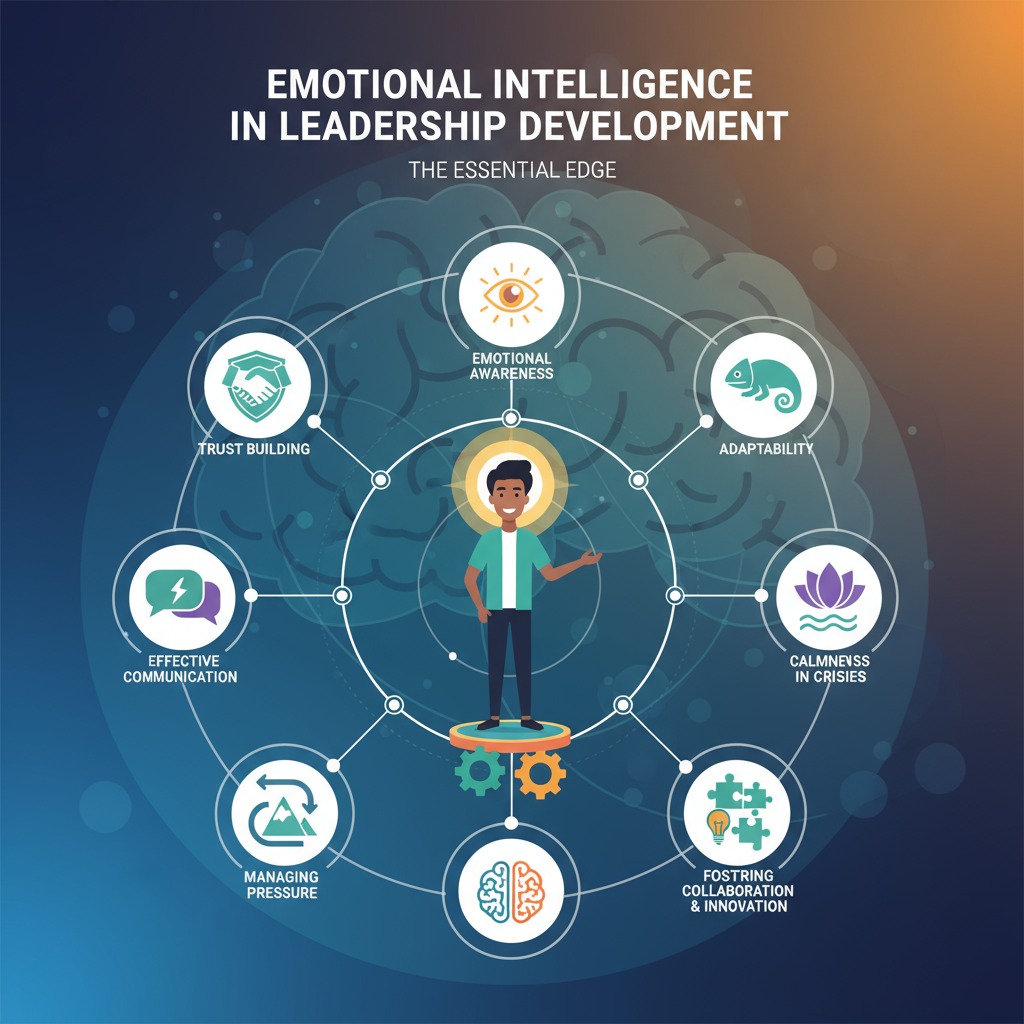
Emotional intelligence for leaders plays a critical role in shaping how leaders influence others, make decisions, and sustain success. Emotional awareness helps leaders build trust—a vital currency in modern organizations. Teams follow leaders not because of their authority, but because of the confidence and respect they inspire through their behavior and integrity.
Research consistently shows that leaders with high emotional intelligence are more effective in managing teams, handling pressure, and creating positive organizational climates. They communicate openly, listen actively, and remain calm during crises. Their ability to understand emotions allows them to defuse tension and maintain harmony, even in high-stress situations.
Emotional intelligence for leaders also enhances adaptability—a key leadership quality in uncertain times. Whether dealing with organizational change, market volatility, or interpersonal conflict, emotionally intelligent leaders guide their teams with composure and empathy. They turn obstacles into opportunities by fostering a culture of learning, collaboration, and innovation.
In leadership development programs, emotional intelligence is increasingly seen as indispensable. While technical expertise can be taught in a classroom, emotional mastery requires continuous reflection and self-improvement. By integrating emotional intelligence training into leadership development, organizations cultivate resilient, compassionate, and forward-thinking leaders who can navigate both business challenges and human complexities with ease.
4. 10 Key Emotional Intelligence Skills Every Leader Must Develop
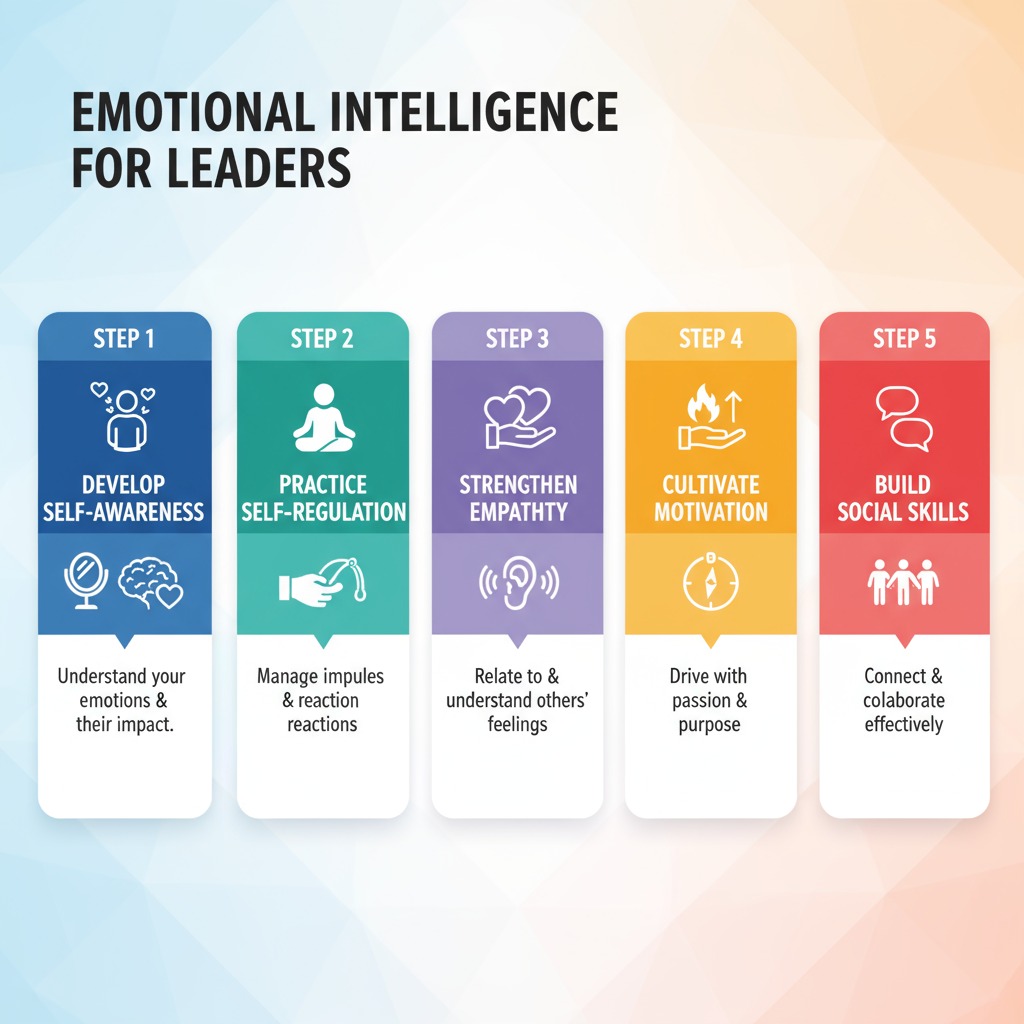
Step 1: Develop Self-Awareness – The Foundation of Emotional Intelligence for Leaders
Emotional intelligence for leaders begins with self-awareness, the ability to understand one’s emotions, strengths, weaknesses, and behavioral patterns. Self-awareness allows leaders to identify how their moods affect decision-making, communication, and relationships. It is the foundation for emotional control and authentic leadership. When leaders understand their emotional triggers, they can respond thoughtfully rather than react impulsively.
For example, a leader who notices frustration rising during a tense meeting can pause, breathe, and redirect their tone to maintain calm communication. This awareness promotes better judgment and enhances credibility. Regular reflection, journaling, and seeking feedback from colleagues are powerful methods to strengthen self-awareness. By cultivating this quality, leaders improve clarity, confidence, and empathy—creating an emotionally intelligent foundation for growth and influence.
Step 2: Practice Self-Regulation – Managing Emotions Under Pressure
Self-regulation is the second essential step in emotional intelligence for leaders. It refers to the ability to control impulsive reactions and remain composed during challenging situations. Leaders with strong self-regulation handle conflicts calmly, make thoughtful decisions, and inspire trust among their teams. Instead of reacting emotionally to setbacks, they maintain focus on solutions.
For instance, when facing project delays, an emotional intelligence for leaders avoids blame and instead encourages collaboration to find solutions. Practicing mindfulness, deep breathing, and emotional reflection helps leaders strengthen self-control. By mastering self-regulation, leaders set a tone of professionalism, emotional stability, and reliability that motivates teams to remain resilient and focused, even under high pressure.
Step 3: Strengthen Empathy – Understanding and Valuing Others’ Perspectives
Empathy is a cornerstone of emotional intelligence for leaders because it fosters genuine connection and understanding. Empathetic leaders can sense others’ emotions, recognize their perspectives, and respond with compassion. This not only enhances workplace relationships but also builds trust and loyalty among team members.
For example, a leader noticing a team member’s drop in performance might choose to listen empathetically rather than criticize, discovering personal challenges that can be resolved with support. Practicing active listening and asking open-ended questions encourages empathy. By incorporating empathy into leadership, leaders create emotionally safe environments where employees feel valued, heard, and motivated to contribute their best.
Step 4: Cultivate Motivation – Inspiring Passion and Purpose
Motivation, another vital component of emotional intelligence for leaders, drives individuals toward their goals with enthusiasm and persistence. Emotionally intelligent leaders are self-motivated; they find meaning in their work and inspire others through their commitment and energy. They focus on long-term growth rather than short-term rewards, promoting a sense of purpose across the organization.
For instance, when facing obstacles, a motivated leader remains optimistic and encourages their team to see challenges as opportunities for innovation. Setting meaningful goals, visualizing success, and celebrating small victories help sustain motivation. Leaders who embody this quality cultivate passion, discipline, and resilience within their teams, ensuring sustained performance and morale.
Step 5: Build Social Skills – Creating Meaningful Professional Relationships
Strong social skills are essential for emotional intelligence for leaders because they determine how effectively one communicates, collaborates, and connects with others. Leaders with well-developed social skills are approachable, persuasive, and capable of resolving conflicts gracefully. They foster teamwork by promoting open dialogue and mutual respect.
For example, a leader who encourages brainstorming sessions where every voice is heard builds trust and innovation. Active networking and transparent communication help in developing these skills. By strengthening social skills, leaders enhance cooperation, build influence, and create a positive organizational culture that thrives on collaboration and shared success.
Step 6: Master Active Listening – Paying Attention Beyond Words
Active listening is a critical emotional intelligence for leaders skill that allows leaders to fully engage with their teams. Emotionally intelligent leaders listen not only to words but also to tone, emotion, and intent. This form of attentive listening improves understanding, reduces miscommunication, and fosters respect.
For instance, during a team meeting, an active listener gives undivided attention, acknowledges concerns, and provides thoughtful responses rather than interrupting. Practicing eye contact, summarizing key points, and validating emotions are techniques that strengthen this habit. Active listening empowers leaders to build deeper connections, resolve issues effectively, and make informed, empathetic decisions that benefit both individuals and the organization.
Step 7: Improve Conflict Resolution – Turning Disagreements into Growth
Conflict resolution is another pillar of emotional intelligence for leaders. Instead of avoiding or escalating disagreements, emotionally intelligent leaders approach conflicts as opportunities for growth and better understanding. They focus on the issue, not the person, ensuring fair and constructive discussions.
For example, if two employees disagree on project priorities, a skilled leader mediates calmly, helps both sides express their views, and finds a balanced solution. Techniques like active listening, reframing problems, and maintaining neutrality enhance conflict resolution. By addressing disputes with empathy and logic, leaders foster harmony, teamwork, and continuous improvement within their organizations.
Step 8: Embrace Adaptability – Thriving Amid Change
Adaptability is an essential emotional intelligence for leaders skill for leaders in today’s rapidly evolving workplaces. Emotionally intelligent leaders embrace change with flexibility, viewing it as a chance to innovate and improve. They adjust strategies, manage stress, and help their teams stay focused during transitions.
For instance, when a company introduces new technology, an adaptable leader supports the team through training and reassurance rather than resistance. They remain optimistic and solution-driven even in uncertain times. Practicing open-mindedness and continuous learning strengthens adaptability. Leaders who master this skill create resilient teams capable of thriving amid change and maintaining productivity through any challenge.
Step 9: Encourage Positive Communication – Building an Uplifting Environment
Positive communication lies at the heart of emotional intelligence for leaders. It involves using clear, supportive, and encouraging language that motivates and unites teams. Leaders who communicate positively foster trust, reduce workplace stress, and nurture a sense of belonging.
For example, instead of criticizing mistakes harshly, a leader practicing positive communication offers constructive feedback and focuses on solutions. Expressing appreciation, celebrating team achievements, and maintaining transparency all contribute to stronger relationships. Through positivity in words and actions, leaders create an empowering work culture where employees feel inspired, valued, and committed to collective success.
Step 10: Build Resilience – Bouncing Back Stronger from Challenges
Resilience completes the cycle of emotional intelligence for leaders. It is the ability to recover from setbacks, adapt to adversity, and remain optimistic in the face of difficulties. Emotionally intelligent leaders model strength and determination, inspiring teams to persevere through challenges.
For instance, after an unsuccessful project, a resilient leader focuses on lessons learned rather than failures, encouraging the team to apply insights to future success. Building resilience involves practicing self-care, maintaining perspective, and viewing setbacks as temporary. By embodying resilience, leaders not only enhance their emotional endurance but also instill confidence and stability within their teams, ensuring long-term growth and organizational well-being.

5. Self-Awareness: The Cornerstone of Leadership Success
Emotional intelligence for leaders begins with self-awareness—the ability to recognize, understand, and manage one’s emotions, strengths, and weaknesses. Self-aware leaders have a clear sense of their motivations, values, and emotional triggers, allowing them to make decisions based on reflection rather than reaction. They exhibit authenticity, humility, and confidence, creating a leadership style that inspires respect and trust.
How to develop a growth mindset in leadership starts with cultivating this self-awareness. Leaders who continuously reflect on their behavior and performance gain deeper insights into how their emotions influence decision-making and relationships. Through self-awareness, they identify areas for improvement and align their actions with their principles, resulting in consistency and integrity in leadership.
Developing self-awareness involves deliberate self-reflection practices like journaling, mindfulness, and regular feedback sessions. Engaging in these methods helps leaders track emotional patterns, manage biases, and refine their communication style. Leaders who are aware of their limitations are open to learning, empowering teams through transparency and vulnerability. In essence, self-awareness is not only the foundation of emotional intelligence for leaders but also the key to authentic, purpose-driven leadership.
6. Empathy and Communication: Building Stronger Relationships
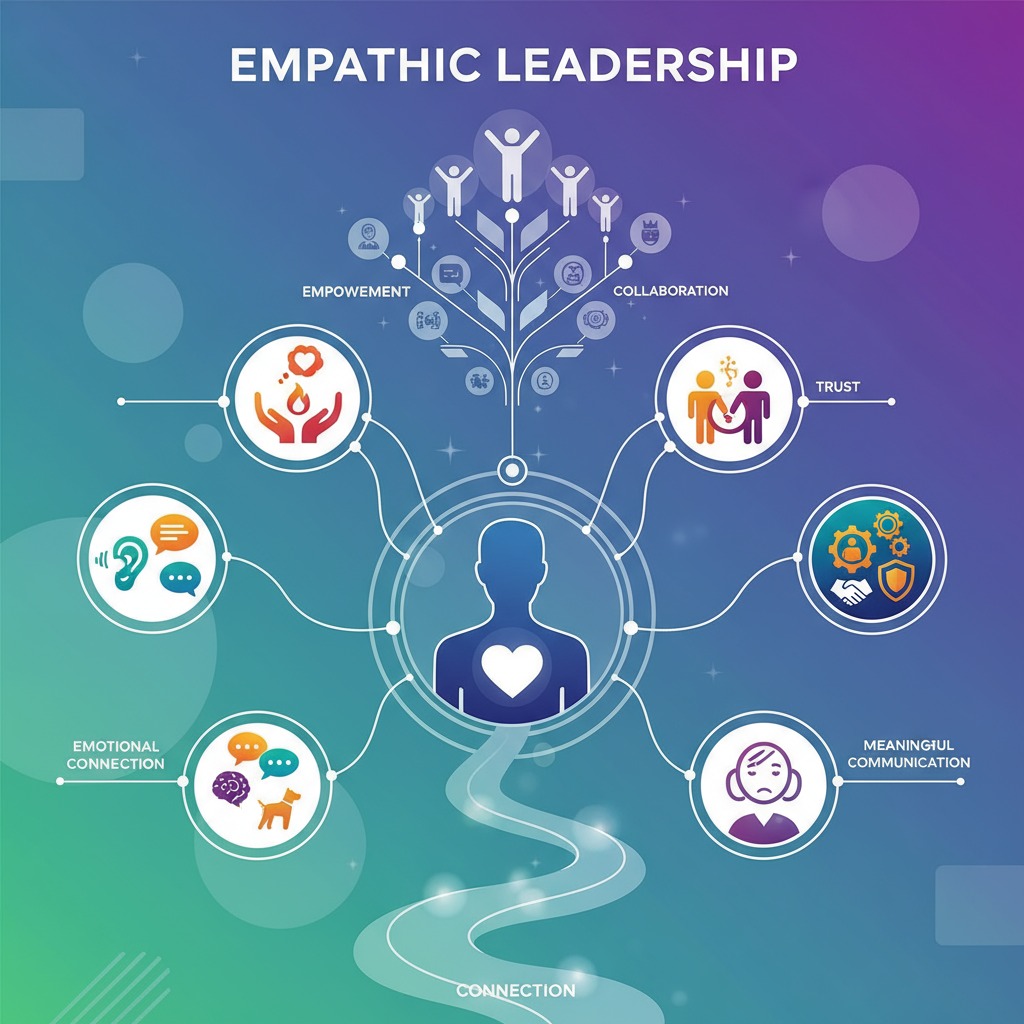
How to develop a growth mindset as a leader also involves strengthening empathy and communication. Empathy allows leaders to connect deeply with others by understanding their perspectives and emotions. It bridges the gap between authority and approachability, helping leaders create environments where every voice feels heard. Empathetic leaders foster collaboration, trust, and loyalty—qualities that drive team success and innovation.
Empathy enhances communication, turning conversations into meaningful exchanges rather than transactional interactions. Leaders who listen actively, acknowledge emotions, and respond thoughtfully create open channels for dialogue. This fosters mutual respect, prevents misunderstandings, and improves conflict resolution. Leaders like Satya Nadella have demonstrated how empathy-driven communication can transform entire organizations by promoting inclusion and emotional well-being.
True communication in leadership extends beyond words—it involves emotional awareness, tone, and intent. By communicating with empathy, leaders inspire belonging, purpose, and emotional engagement. Developing emotional intelligence for leaders through empathy ensures that leadership becomes not just about giving direction but about understanding and empowering others to reach their fullest potential.
7. Resilience and Adaptability in Leadership
How to develop a growth mindset in leadership also relies on cultivating resilience and adaptability. Resilience equips leaders to recover from challenges and maintain composure during uncertainty, while adaptability enables them to adjust strategies and embrace change confidently. Together, these qualities form the backbone of sustainable and emotionally intelligent leadership.
In today’s unpredictable business environment, emotionally intelligent for leaders remain calm under pressure, demonstrating optimism and flexibility. Resilient leaders view setbacks as learning opportunities rather than failures. By maintaining focus and perspective, they inspire confidence in their teams even during crises. Adaptable leaders, on the other hand, are open to innovation and continuous learning, encouraging creative problem-solving and forward-thinking strategies.
Developing resilience requires self-regulation, mindfulness, and emotional awareness. Adaptability grows through curiosity, openness to feedback, and a willingness to challenge comfort zones. Emotionally intelligent leaders combine these traits to lead effectively in evolving circumstances, turning adversity into a platform for growth and transformation.
8. Self-Regulation and Motivation: Staying Calm and Driven
Emotional intelligence for leaders thrives on the balance between self-regulation and motivation. Self-regulation helps leaders manage impulses, remain composed in stressful situations, and make rational decisions guided by long-term goals. Motivation, meanwhile, provides the internal drive that fuels consistency, purpose, and excellence.
Leaders who master self-regulation can channel emotions constructively rather than react impulsively. They exhibit patience, discipline, and professionalism—qualities that strengthen organizational stability. Motivation complements this control by igniting passion and persistence. Intrinsically motivated leaders inspire through action, demonstrating dedication to growth and continuous improvement.
How to develop a growth mindset requires leaders to link emotional control with goal-oriented motivation. By setting meaningful objectives, reflecting on progress, and aligning personal values with organizational vision, leaders maintain enthusiasm and focus. Practicing stress management, visualization, and gratitude also enhances emotional balance and motivation. Such leaders not only achieve sustained success but also nurture a workplace culture defined by resilience, optimism, and collective progress.
9. Developing Emotional Intelligence: Practical Steps for Leaders
Emotional intelligence for leaders can be strengthened through consistent, intentional practice. It is not a fixed trait but a dynamic skill that grows with awareness and reflection. Developing emotional intelligence begins with self-assessment—understanding one’s emotional strengths and areas for improvement.
Leaders can enhance their emotional intelligence for leaders through daily mindfulness practices that improve focus and reduce stress. Regular feedback sessions allow for constructive evaluation, helping leaders recognize how their emotional behavior affects others. Emotional journaling—writing down experiences and responses—builds deeper self-awareness over time.
Empathy training and communication workshops can also sharpen interpersonal understanding. Leaders can practice active listening during meetings, paying attention to both words and emotional cues. Setting aside judgment and focusing on understanding fosters a supportive environment.
Lastly, lifelong learning plays a vital role. Reading, coaching, and attending emotional intelligence for leaders seminars keep leaders engaged in their personal growth journey. By continuously refining their emotional skills, leaders remain adaptable, authentic, and effective in every professional setting.

10. Conclusion: The Future of Emotionally Intelligent Leadership
Emotional intelligence for leaders is no longer a supplementary trait—it is the core of effective, ethical, and inspiring leadership. The ten skills discussed—self-awareness, self-regulation, empathy, motivation, social skills, active listening, conflict resolution, adaptability, positive communication, and resilience—collectively form the foundation of emotionally intelligent leadership.
Leaders who master these skills build teams rooted in trust, collaboration, and respect. They create environments where individuals feel seen, valued, and motivated to perform their best. Emotional intelligence enhances decision-making, encourages innovation, and nurtures a sense of belonging across all organizational levels.
The future of leadership lies in emotional awareness. As automation and technology continue to evolve, emotional intelligence remains the one quality that defines human-centered leadership. Emotionally intelligent leaders not only drive success but also foster well-being and sustainability.
Ultimately, emotional intelligence for leaders is about transforming leadership from authority to empathy, from control to connection. It is about leading with heart as much as with strategy. When leaders cultivate emotional awareness and practice these skills daily, they not only elevate their leadership but also inspire a culture of kindness, purpose, and growth that endures far beyond individual success.